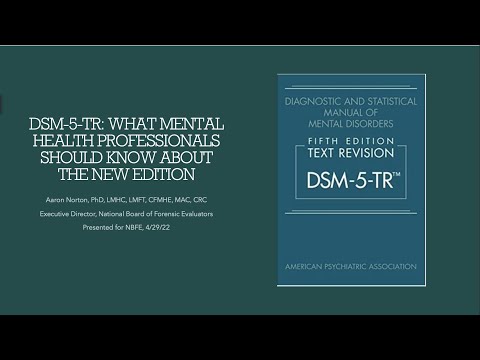
Hey! So, let’s chat about something we often hear tossed around: the DSM-5. You know, that big book full of all those mental health conditions?
It can feel a bit overwhelming, right? I mean, who actually has time to wade through all that jargon? But here’s the thing—it’s super useful for mental health pros and even those curious about their own experiences.
Understanding the DSM-5 isn’t just for doctors. It can help you make sense of what you or someone you care about might be going through. It breaks down the messy stuff into more manageable bites, which is kinda nice.
Let’s explore how this hefty guide can spark moments of clarity in therapy sessions and everyday life. Ready to dive in?
Understanding the DSM-V: Key Insights for Mental Health Practitioners
The DSM-V, or the Diagnostic and Statistical Manual of Mental Disorders, Fifth Edition, is a huge deal in mental health. It’s like the go-to textbook for diagnosing and classifying mental illnesses. You know how your doctor has a manual for figuring out what’s wrong with you? This is kind of like that but for mental health conditions.
One of the big things about the DSM-V is its focus on criteria. Each disorder has specific symptoms that need to be present for a diagnosis. For instance, if someone is being evaluated for depression, they must show signs like persistent sad mood or loss of interest in usual activities. Without meeting these criteria, saying someone has depression wouldn’t hold up.
Categories also matter here. The DSM-V organizes disorders into categories, making it easier for practitioners to understand and communicate about them. For example:
- Affective Disorders: This includes depression and bipolar disorder.
- Anxiety Disorders: Think generalized anxiety disorder or panic disorder.
- Psychotic Disorders: Schizophrenia falls under this umbrella.
This categorization helps therapists pinpoint where to focus their treatment efforts. But it’s not just about symptoms and categories; it also stresses the importance of considering a person’s history and context.
You see, everyone’s experience of a mental health issue can be totally different. Let’s say two people get diagnosed with anxiety. One might have anxiety attacks triggered by work stress while another’s might come from childhood trauma. The DSM allows practitioners to tailor their approach based on these individual stories.
Another cool part? The DSM-V introduced dimensional assessments alongside traditional categorical diagnoses. Basically, this means you can rate how severe symptoms are on a scale rather than just checking boxes «yes» or «no.» This offers a more nuanced view that might help you see how someone shifts over time.
But hey, not everything’s perfect with the DSM-V. Some critics argue that it can sometimes feel too rigid or that certain conditions might get overdiagnosed because they fit into vague criteria—like when life just gets too hard sometimes and ends up labeled as an illness instead of just part of being human.
There are also concerns about cultural bias in some diagnoses that don’t take into account different cultural expressions of distress or behaviors that vary across societies. That definitely needs addressing so everyone feels seen and heard in their experience!
In practice, understanding all this helps mental health professionals use the DSM-V effectively while being mindful of its limits—and your unique story matters most in this whole process!
Where to Access the DSM-5 Online: A Comprehensive Guide
Accessing the DSM-5 online can be a bit tricky, you know? It’s not like just searching for any ol’ PDF or article. The DSM-5, or the Diagnostic and Statistical Manual of Mental Disorders, 5th Edition, is a key resource for mental health professionals. But it’s also copyrighted material. So, let’s break down where you might find it and what to consider.
First up, check academic libraries. Many universities have subscriptions to the DSM-5. If you’re a student or staff at such an institution, you can usually access it through their library website. Just search for “DSM-5” in the library’s database or ask a librarian for help if you’re lost.
Another option is professional organizations. Groups like the American Psychological Association (APA) sometimes provide access to members. If you’re part of these organizations, they often have resources that include online access to the DSM-5.
You could also explore Google Books. They might offer previews or limited sections from the DSM-5. While it won’t give you full access, it can be helpful for specific diagnoses or criteria if you’re looking for something quick.
And hey, don’t forget about eBook platforms. Services like Amazon offer digital versions of the DSM-5 that you can buy. This way, you’ll be able to access it anytime on your devices but make sure to check whether it’s just a reference book or has all the info you’re looking for.
You might want to think about supervised use. If you’re working with a therapist or in training, having someone guide you through using the DSM-5 could be super beneficial. They can help explain concepts and nuances that really matter in real-world settings.
Last but not least, always remember: accessing this resource online should be done legally and ethically. Seriously! The content is there to help professionals do their best work but respecting copyright is essential too.
So there you go! With a bit of searching and smart thinking about resources available at your fingertips—or maybe your school—you should be able to find your way around getting access to the DSM-5 without too much hassle.
Exploring the Most Commonly Used Diagnostic Tool Among Mental Health Practitioners in the U.S.
The most commonly used diagnostic tool among mental health practitioners in the U.S. is the Diagnostic and Statistical Manual of Mental Disorders (DSM-5). It’s like a huge handbook that outlines mental health conditions, giving professionals a standard way to diagnose different disorders. You know, it’s crucial because it helps ensure that patients are diagnosed consistently, regardless of where they are or who they’re seeing.
So, what does the DSM-5 really cover? Well, basically, it includes a wide array of mental health disorders. Here are some key points:
- Categories of Disorders: The DSM-5 organizes disorders into categories like mood disorders, anxiety disorders, and psychotic disorders. This structure helps clinicians quickly reference conditions that might be relevant to their patients.
- Criteria for Diagnosis: Each condition comes with specific criteria that must be met for a diagnosis. For example, to diagnose someone with Major Depressive Disorder, they typically need to have at least five symptoms for two weeks.
- Cultural Considerations: The DSM-5 includes sections on cultural considerations in diagnosing mental health issues. It acknowledges how cultural context can affect psychological experiences and expressions.
- Dimensional Assessment: Unlike previous editions, the DSM-5 incorporates a dimensional assessment approach. This means that instead of only categorizing symptoms as present or absent, it looks at severity levels too.
Now let’s talk about how this tool is actually used in practice. Picture this: you go see a therapist because you’re feeling anxious all the time. The therapist pulls out their DSM-5 and starts going through criteria for anxiety disorders. They might ask you questions about your feelings and behaviors over the past several months.
The beauty of using this manual is that it creates a common language among professionals. So if one therapist uses the DSM-5 to diagnose someone with Generalized Anxiety Disorder (GAD), another therapist anywhere else is likely to reach the same diagnosis based on those criteria.
There’s also something really important about updates in this manual; they reflect ongoing research and shifts in understanding mental health conditions. For instance, when PTSD was added as its own diagnosis rather than lumped together with stress responses, it showed how our understanding evolved over time.
But hold on—while it’s an essential tool for many clinicians, it’s not without its critics. Some argue it can pathologize normal experiences—like sadness after losing a loved one—which can feel overblown at times. Others call attention to potential biases within its framework due to cultural factors.
In practical terms? Just think about this: if someone’s struggling but doesn’t fit neatly into these categories laid out by the DSM-5—they might slip through cracks in services or support systems designed around these diagnoses.
So basically? The DSM-5 is super influential in mental health care in the U.S., acting like a roadmap for practitioners trying to understand what’s going on inside their patients’ heads! While it has its perks and pitfalls—like any tool—it offers guidance designed to foster better mental health outcomes across diverse situations.
The DSM-5, or the Diagnostic and Statistical Manual of Mental Disorders, Fifth Edition, is like this big guidebook that mental health pros use to figure out what’s going on with someone’s mental health. It’s kind of the go-to reference for diagnosing various mental health issues, but it’s not without its quirks and challenges.
In practice, using the DSM-5 can feel a bit like trying to fit a square peg into a round hole sometimes. Each person who walks into a therapist’s office has their own unique story and experiences. So when you’re relying on a set of criteria from the DSM-5, it can be tough to make sure those criteria capture the full picture. I mean, think about it—can you really sum up someone’s life in just a list of symptoms? That’s why some professionals lean toward using it as more of a guideline than an absolute rule.
I remember chatting with a friend who was struggling with depression. She had all the typical symptoms listed in the DSM-5: low energy, trouble sleeping, feelings of worthlessness. But what really struck me was how her childhood experiences shaped her feelings and thoughts about herself. Those layers didn’t pop up in any manual—just raw human experience. And that’s where I think mental health folks often need to tread carefully with the DSM-5; it can’t replace genuine understanding.
Another piece that gets talked about is how cultural differences might not always align with what the DSM lists as “normal” or “abnormal.” A behavior that’s seen as problematic in one culture could be perfectly understandable in another. It’s essential for mental health professionals to stay tuned into these nuances and not just slap on a label because it’s what the book says.
So yeah, while the DSM-5 is super useful for providing structure and facilitating communication among professionals, it should ideally serve as just one piece of a larger puzzle. You know? Listening deeply to clients and seeing them as whole people will always trump any diagnostic manual out there. Balancing clinical insights with empathy—that seems like where real growth happens in therapy settings!