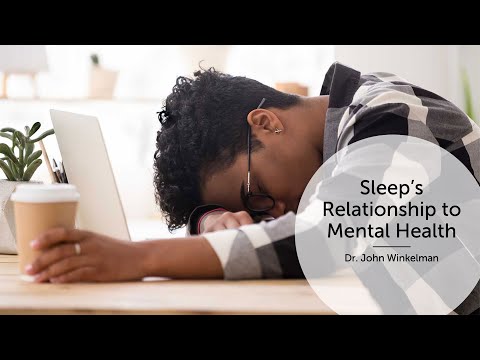
You know those nights when you just can’t sleep? It’s like your brain’s throwing a party, and you’re not invited. That’s what it’s like for folks dealing with Delayed Sleep Phase Disorder (DSPD).
It can mess with your whole life, impacting your mental health too. I’m talking about mood swings, anxiety, and feeling totally out of sync with everyone else. Pretty rough, huh?
But here’s the thing: there are ways to manage it! We’ll chat about some effective strategies that can help you get back on track. Seriously, you’re not alone in this. So let’s break it down together!
Effective Strategies for Managing Delayed Sleep Phase Disorder (DSPD) and Improving Your Sleep Quality
Delayed Sleep Phase Disorder, or DSPD, can be a real challenge. If you’ve ever found yourself wide awake when everyone else is snoring, you know what I mean. Basically, your body clock is out of sync with the world around you. It can mess with your mental health too, leading to feelings of frustration or anxiety. So how do you handle it? Here are some strategies that might help.
1. Light Exposure
Light plays a huge role in your circadian rhythm—the fancy term for your sleep-wake cycle. To reset it, try to get natural light first thing in the morning. Think about stepping outside for a quick walk or even sitting by a bright window with your coffee. Seriously, light exposure can help signal to your body that it’s time to wake up.
2. Gradual Adjustments
If you’re trying to shift your sleep schedule, doing it all at once can be rough. Instead of going from 2 AM to 10 PM overnight, aim for small shifts—like moving your bedtime earlier by 15-30 minutes every few days. This way, you’re giving yourself time to adjust without feeling like you’re torturing yourself.
3. Consistent Schedule
Try going to bed and waking up at the same time every day—even on weekends! It helps reinforce that sleep cycle we just talked about. I know it sounds boring, but it really helps train your body to know when it’s time to knock out and when it’s go-time.
4. Avoid Caffeine and Naps Late in the Day
Caffeine might seem tempting when you’re struggling to stay awake during the day but having too much later can throw off your ability to fall asleep at night! Plus those afternoon naps? They might seem refreshing but if they’re too late in the day, they can make falling asleep at a reasonable hour way tougher.
5. Wind Down Comfortably
Create a calming nighttime routine — think warm baths, reading books (not on screens), or listening to soft music before bed. These rituals signal to your brain that it’s time to chill out instead of thinking about all those texts you need to respond to!
6. Consider Professional Help
If these strategies aren’t cutting it and DSPD is seriously impacting how you feel mentally or physically, don’t hesitate to reach out for professional guidance! A sleep specialist or therapist could offer tailored strategies based on your situation.
Managing DSPD is no small feat—that’s for sure! But remember: You’re not alone in this struggle! With some patience and these strategies under your belt, improving both your sleep quality and mental health is absolutely within reach.
Exploring the Impact of Delayed Sleep Phase Disorder (DSPD) on Mental Health
Delayed Sleep Phase Disorder (DSPD) is a real struggle for many people. If you’ve ever found yourself wide awake when everyone else is hitting the hay, you might have a taste of what it’s like. Basically, your body’s internal clock—also known as the circadian rhythm—just isn’t syncing up with the outside world. You feel like a night owl in a world that gets up at dawn. And that can mess with more than just your sleep.
One major impact of DSPD is on mental health. When your sleep schedule shifts to the wee hours, you can experience increased feelings of anxiety and depression. It’s frustrating, right? Imagine trying to function in a society that expects you to be productive during the day while you’re feeling tired and foggy from staying up late.
Even better, lack of quality sleep can lead to lower cognitive performance. You might find it hard to concentrate or make decisions. It’s like trying to drive with foggy glasses—you can still see some things, but everything feels way harder than it should.
Sometimes, people with DSPD end up missing out on social activities or work opportunities because they can’t adjust their sleep patterns. That isolation can lead to feelings of loneliness, which totally affects mental well-being.
So what are some strategies for managing DSPD and improving mental health? Well, here are a few ideas:
- Gradual Adjustment: Shift your bedtime slowly by about 15-30 minutes each day until you reach your desired sleep schedule. Baby steps help your body acclimate.
- Light Exposure: Getting natural light early in the day can help reset your internal clock. A morning walk could work wonders!
- Melatonin Supplements: Sometimes melatonin, a hormone that helps regulate sleep cycles, can help signal to your body when it’s bedtime.
- Cognitive Behavioral Therapy (CBT): This approach focuses on changing negative thoughts and behaviors around sleep and has shown promise for those dealing with insomnia or DSPD.
It might take some time to find what works best for you. And remember, no one solution fits all! If one thing doesn’t work out, don’t sweat it; there’s plenty of other paths to explore.
Ultimately, addressing DSPD is about more than just getting enough zzz’s at night. It’s about finding balance so you’re able to enjoy life without feeling like you’re always playing catch-up. Your mental health deserves attention! So don’t hesitate to talk to a professional if things feel overwhelming—together you can figure out how best to tackle those late nights and fuzzy days ahead!
Unlock Better Sleep: Understanding the 10-5-3-2-1 Rule for Restful Nights
Getting good sleep can feel like trying to catch smoke with your bare hands sometimes, right? If you’ve wrestled with sleep issues, especially with something like Delayed Sleep Phase Disorder (DSPD), then the 10-5-3-2-1 rule is like a gentle nudge in the right direction. It’s all about setting up your body for a solid night of Z’s.
So what’s this rule all about? Well, it’s pretty simple! Let’s break it down:
- 10 hours before bed: This is when you should stop consuming any caffeine. Seriously, caffeine can hang around in your system longer than you’d think, sometimes up to 8 hours or more. This means if you’re planning to sleep at 11 PM, no coffee or energy drinks after 1 PM.
- 5 hours before bed: You want to lay off any alcohol. Although a glass of wine might help you feel drowsy at first, it can mess with your sleep cycle later on. So that evening cocktail could have some unintended consequences.
- 3 hours before bed: This is where you should put a pause on any heavy meals. Eating large meals can lead to discomfort and make it hard to fall asleep because your body is busy digesting food instead of winding down.
- 2 hours before bed: No more screen time for you! That blue light from phones and computers can really scramble your brain’s message that it’s time for sleep. So, switch off those screens and maybe pick up a book or practice some relaxation techniques instead.
- 1 hour before bed: This is when you focus on winding down completely. Create a calming bedtime routine—maybe listen to soft music or do some gentle stretches—to signal to your body that it’s almost time for sleep.
Okay, so why does this matter? For those living with DSPD, where falling asleep and waking up feels totally out of sync with the world around them, these steps are really crucial. They align your body’s natural rhythm and power down all those distractions that keep you tossing and turning.
Let’s be real: just saying “get better sleep” isn’t enough when you’re struggling every night. You might’ve even felt really frustrated after another sleepless night—maybe staring at the ceiling while everyone else seems blissfully unaware of your insomnia battle.
When practicing this rule consistently, it turns into kind of a ritual—a way for your body and mind to vibe together. The more you stick to it, the more likely you’ll find yourself feeling sleepy when it’s actually bedtime.
In essence: think of this as training your brain like an athlete gets ready for a big game—you’re setting the stage for success! Better sleep isn’t just a dream; it’s totally possible when you’re intentional about how you lead into those precious hours under the covers.
So give this rule a shot! Your future self who wakes up refreshed will thank you for investing in better habits now.
Alright, let’s talk about Delayed Sleep Phase Disorder (DSPD) and how it can really mess with your mental health. So, you know when you feel like you’re just not awake at the right time? It’s like your body is on a completely different schedule than everyone else’s. You stay up late, thinking you’re super productive, but then the next day rolls around and you’re dragging. Seriously, it can be tough.
I remember a friend of mine who struggled with DSPD. He’d often stay up until the sun came up, only to crash during the day when he needed to be on point at work. It got to a point where he started feeling anxious and even a bit depressed—kind of like his whole world was upside down. That connection between sleep issues and mental health is all too real.
Now, managing DSPD ain’t easy, but there are some strategies that can help get your sleep back on track and give your mental health a boost too. First off, establishing a routine can be huge. Even though it feels impossible sometimes, try to go to bed and wake up at the same time every day—even on weekends! This consistency helps regulate your internal clock—like setting your own personal alarm for better sleep hygiene.
Another thing that can really help is light exposure. When it’s morning, getting outside or sitting by a window for some natural light can make a world of difference. It signals to your brain that it’s time to be awake—and believe me, your mood will thank you later when you’re not snoozing through half the day.
And don’t forget about winding down before bed! I know it sounds cliché, but having a bedtime routine that’s relaxing can seriously help prepare your mind for sleep. Whether that means reading a book or doing some gentle yoga—find what works for you!
It might also be worth considering talking to someone who gets this stuff—like a therapist or sleep specialist—who can provide tailored advice based on what you’re going through personally.
So yeah, while DSPD might throw some serious curveballs at you mentally and physically, there are ways to regain control over those late-night tendencies while keeping your mental health in check! Just remember to take small steps; every little bit counts on that journey back to good vibes!