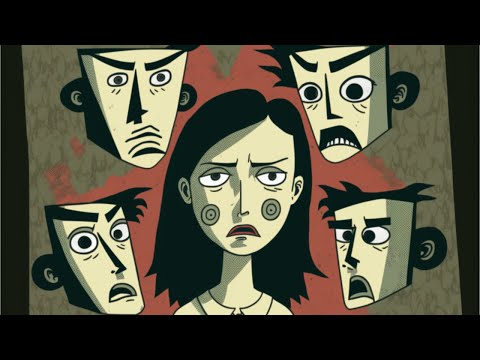
You know those days when you feel like two completely different people? One minute you’re all smiles, ready to take on the world, and the next you’re curled up in bed, feeling like a complete mess.
It’s wild how our moods and emotions can shift so quickly, right? Well, that’s just one side of the story.
Let’s chat about dual personality, or as some folks call it, dissociative identity disorder. It’s way more common than you might think. Imagine living with two distinct personalities—each with its own quirks and memories.
Sounds kind of like a movie plot? But it’s real life for some people. So, buckle up! We’re diving into this fascinating topic together.
Understanding Dual Personality in Psychology: Insights and Implications
Understanding dual personality in psychology, often referred to as **Dissociative Identity Disorder (DID)**, is a complex area that can seem a bit overwhelming at first. But breaking it down makes it easier to grasp, so let’s jump right in.
When we talk about **DID**, it’s important to note that this isn’t just about someone being “moody” or “two-faced.” It’s a serious mental health condition. Basically, what happens is that a person with DID has two or more distinct identities or personality states. Each of these identities may have its own name, age, history, and characteristics. And they can take turns controlling the person’s behavior. Pretty wild, huh?
The causes are often linked to severe trauma during early childhood, usually extreme, repetitive physical or sexual abuse. Imagine growing up in an environment where you feel unsafe all the time; your mind might find ways to cope by creating different identities to escape from the pain of reality.
Now let’s talk about how this plays out day-to-day:
- Memory Gaps: Often, people with DID experience memory gaps surrounding everyday events. You know when you’ve had a long day and forget parts of it? Imagine that happening more frequently and not recalling major chunks of your life.
- Switching Identities: The act of switching between personalities can be triggered by stress or reminders of past trauma. A person might suddenly feel very different without understanding why.
- Divergent Behaviors: Each identity might have its own way of acting. One could be outgoing while another prefers solitude; it’s like carrying different parts of yourself around everywhere.
One common misconception is that DID is rare—while it may not be as common as anxiety disorders, research suggests it’s underdiagnosed because many folks don’t even know they have it. They might think they’re just very emotional or quirky individuals.
Let’s paint a picture here: imagine someone named Sarah who has DID. Some days she feels like herself—funny and light-hearted—but then there are other days when she feels like «Charlie,» who tends to be angry and defensive all the time . Sarah doesn’t always remember what Charlie does on those days but knows things aren’t quite right.
Treatment for DID usually involves psychotherapy—basically talking things out with a trained professional who helps integrate those different identities into one cohesive self over time. This sounds simple enough but really requires patience and trust between the therapist and patient.
While some might think it’s impossible to live with such complexities inside your mind, many people learn coping strategies through therapy and build supportive networks outside themselves; friends understanding what they’re going through helps tons!
As we navigate these complexities together in our understanding of mental health conditions like DID, remember: compassion goes a long way. Whether you’re learning for yourself or trying to support someone else dealing with this kind of struggle, being open-minded and kind will always help bridge those gaps in understanding!
The Remarkable Story of the Woman with 92 Personalities: A Journey Through Dissociative Identity Disorder
So, you might have heard about the incredible story of a woman who had, like, 92 different personalities. Yup, you read that right! This is all tied into something called Dissociative Identity Disorder (DID). It’s a pretty complex and often misunderstood condition. Let’s break it down a bit.
Dissociative Identity Disorder is a mental health issue where someone has two or more distinct identities or personality states. Each of these personalities—sometimes called «alters»—can have its own name, age, history, and even different ways of seeing the world. The shifts can happen suddenly and often result from trauma or severe stress.
So imagine being this woman. One moment she might be friendly and upbeat, then next she could switch to someone who’s fearful or angry. Many folks with DID report that they often can’t remember what’s happened when another personality is in control. There’s this sense of losing time and feeling disconnected from yourself—like you’re watching your life from afar.
The remarkable case in point involves a woman named Kim Noble, who has 92 distinct alters! Each one reflects different parts of her personality shaped by her experiences. Kim’s story shows just how varied these identities can be; some are childlike, while others are adults with entirely different careers and skills.
Understanding the Causes is essential too. DID usually develops as a response to trauma during early childhood. Think about it: when some kids go through really horrible things—like abuse—they might create alternate personalities as a coping mechanism to escape their pain. These personalities can protect them in ways their main self can’t.
One of Kim’s alters even took on the role of an artist without knowing anything about art before that! Her paintings reflect her diverse experiences—it’s like each alter has its own voice screaming to be heard.
Treatment for DID can be long and complex as well. Therapy typically aims at integrating these disparate identities into one cohesive self while addressing the trauma that triggered them in the first place. It’s not just about “getting better”—it’s also about understanding each part and helping them feel safe.
Navigating through all this isn’t easy for anyone involved—therapists included! It takes patience and trust-building for treatment to work effectively since those alters might not trust outsiders at first.
There’s so much stigma surrounding mental health disorders like DID because they’re not fully understood by everyone yet. But stories like Kim’s remind us how real these struggles are—and how crucial it is for people to receive compassion rather than judgment.
In summary, dissociative identity disorder showcases some incredible human resilience but also highlights the importance of mental health awareness so that folks facing such complexities get the support they need without any added pressure or misunderstanding around them.
Understanding Multiple Personality Disorder: Do Individuals Realize They Have It?
Understanding Multiple Personality Disorder, or what we now call Dissociative Identity Disorder (DID), is a journey into the complexities of the human mind. So, let’s break it down a bit.
First off, DID is characterized by the presence of two or more distinct identities or personality states, each with its own way of perceiving and interacting with the world. It’s not just about having mood swings or being moody; this goes much deeper.
Now, here’s the kicker: **Do individuals with DID know they have it?** Well, it varies quite a bit from person to person. Some may have a vague sense that something’s off. For instance, they might feel like they’re watching themselves from outside their body during certain episodes—kind of like being in a movie.
On the other hand, there are folks who really aren’t aware of these alternate identities at all. They might experience gaps in their memory for things like daily events or important personal information without understanding why. Imagine waking up one day and realizing you lost several hours without any clue what happened during that time—that’s how disorienting it can be.
There’s this thing called *dissociation*, which is a mental process used to cope with trauma. That’s actually how DID often develops—let’s say someone experiences severe trauma during childhood; their mind splits off parts of their identity to help manage those painful memories. As time goes on, these parts can develop into distinct personalities.
Another crucial point to understand is that communication between these personalities isn’t always easy. Some might even actively hide from each other. If one personality knows about trauma but another doesn’t, there can be confusion when switching occurs.
Also, people might not get diagnosed until later in life because symptoms can mimic other conditions like anxiety or depression. Then again sometimes they don’t even connect symptoms back to past traumas because those memories are tucked away somewhere deep inside.
So it’s not merely about recognizing alternates but also integrating different aspects of self over time through therapy and self-discovery—kind of like piecing together a puzzle where some pieces don’t seem to fit at first glance.
In summary:
- DID involves multiple identities.
- Awareness varies greatly among individuals.
- Many experience dissociation as a coping mechanism.
- Diagnosis can be complex due to overlapping symptoms.
In short? People living with DID navigate their realities in profoundly unique ways. It’s definitely not black and white when it comes to awareness and understanding their condition—it’s more like discovering multiple colors on an artist’s palette.
You know, the whole idea of dual personality, or what some folks call dissociative identity disorder (DID), is a wild concept. Imagine going through life carrying two or more versions of yourself around. It’s like being on a rollercoaster where you never really know which ride you’re getting on next. This isn’t just some fictional thing that exists in movies; real people live with this every day.
When I think about it, it brings to mind a friend I had back in college. Let’s call her Sarah. She seemed normal at first, but then there were those moments where she’d switch—like one day she was this bubbly, energetic person, and the next she was quiet and withdrawn. At first, we thought she was just moody or had different sides to her personality like we all do. But eventually, it became clear that something deeper was happening. It wasn’t just mood swings; it was as if different parts of her were fighting for the wheel.
The complexities of dual personality can really mess with a person’s identity and relationships—it’s no joke! One part might be super confident while another feels scared or insecure. Imagine trying to blend those feelings together into a single life! It can be confusing not only for the individual but also for their friends and family who want to help but can’t quite understand what’s going on.
And therapy? Well, finding the right kind can be tricky too. Some folks might benefit from talking things out with someone who gets the whole deal—like working on integrating those different parts into a more cohesive self. Others may focus more on coping strategies to handle everyday challenges because switching can be overwhelming.
What really stands out to me is that underneath all these layers and conflicts lies a deep need for connection and understanding. If you’re feeling lost among your own selves or figuring out how to support someone who is, remember there’s no one-size-fits-all answer here. Each journey is unique… kinda like taking separate paths through the same forest but always seeking that light breaking through the trees.
So yeah, navigating these complexities isn’t easy—it takes time, patience, and a lot of compassion—for yourself and others too.