You know how some days just feel heavier? Like, no matter what you do, that cloud just hangs over you?
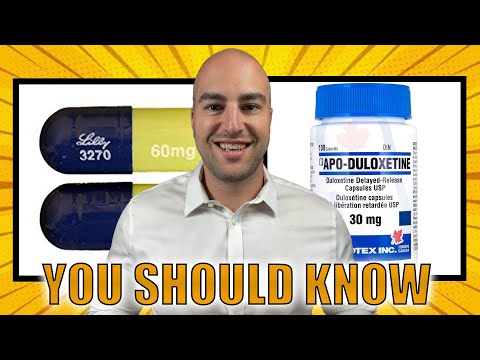
Well, there’s this medication called Duloxetine. It’s like a little helper for folks struggling with anxiety or depression.
Imagine waking up and feeling a bit lighter, more able to tackle the day. That’s where Duloxetine 30 comes in.
It’s not a miracle cure, but it can seriously support your mental health journey. Let’s chat about how it works and what it can do for you!
Understanding the Link Between Duloxetine and Headaches: What You Need to Know
Duloxetine, commonly known as Cymbalta, is an antidepressant that falls into the category of serotonin-norepinephrine reuptake inhibitors (SNRIs). It’s often prescribed for conditions like depression, anxiety, fibromyalgia, and chronic pain. One thing you might be wondering about is the link between duloxetine and headaches. Let’s break that down a bit.
First off, **headaches can be a side effect** of taking duloxetine. It’s not uncommon for people to experience them when they start a new medication, particularly one that affects your brain chemistry. Your body can take some time to adjust to changes in serotonin and norepinephrine levels. So if you’re feeling more headaches in the early days of treatment, it might just be your body’s way of saying “hey, what’s going on here?”
Now, there are different types of headaches you might encounter. Some folks report tension headaches or migraines when starting duloxetine. Tension headaches feel like a tight band around your head—kind of uncomfortable but usually bearable. Migraines are a whole different beast—pulsing pain often accompanied by nausea and sensitivity to light or sound.
Also important to note is that **dosage can play a role** in these side effects. When starting out with duloxetine at 30 mg, which is often the initial dose prescribed for various conditions, it’s possible for side effects like headaches to pop up. If that happens to you and the headaches become too bothersome, don’t hesitate to touch base with your doctor about adjusting your dosage or considering other options.
Another angle to consider is hydration and lifestyle factors. When you’re adjusting to any new medication like duloxetine, stress or changes in sleep patterns can contribute to headache frequency too. So make sure you’re drinking enough water and managing stress as best as you can.
It’s also worth mentioning **withdrawal symptoms**, which can occur if you suddenly stop taking duloxetine without guidance from a healthcare professional. Rebound headaches are very real—if your body has gotten used to the medication and then you stop cold turkey, it might just throw everything off balance.
In summary:
- Duloxetine can cause headaches as a side effect.
- Adjustments in dosage may help reduce these symptoms.
- Lifestyle factors like hydration and stress management play an important part.
- Discontinuation should always be handled carefully under medical supervision.
So if you’re on duloxetine and dealing with those pesky headaches, remember—you’re not alone! Just keep communication open with your healthcare provider; they can help navigate through this while making sure you get the support you need for mental health issues too.
Understanding Duloxetine: Is It an Effective Psychiatric Medication for Mental Health?
So, let’s talk about Duloxetine. You might have heard of it as Cymbalta. It’s a medication often prescribed for different mental health conditions, and honestly, it can be a bit confusing at first. Basically, it’s a type of medication called a serotonin-norepinephrine reuptake inhibitor (SNRI). That sounds fancy, but all it really means is that it helps balance certain chemicals in your brain that can affect your mood.
Now, what do you need to know about this med? Here are some key points:
So here’s the scoop: when I was talking to my friend Sarah the other day, she opened up about her struggle with anxiety. She’d been through therapy but still felt stuck sometimes; her therapist mentioned Duloxetine as an option. After starting it at 30 mg, she noticed some improvement in her mood within a few weeks—less worry and more energy to tackle daily tasks.
However, you should know that not everyone has the same experience with this med. While some feel great relief from their symptoms, others might not find much help at all—and that’s totally okay! Mental health is super personal.
One important thing to keep in mind: If you decide to stop taking Duloxetine or switch meds, always chat with your doctor first. Suddenly stopping can cause withdrawal symptoms like dizziness or irritability—so no jumping ship without guidance!
In summary, Duloxetine could be an effective part of your mental health support system if you’re dealing with depression or anxiety. It helps balance those brain chemicals and might make life feel a little less heavy. Just remember to give yourself time to adjust and keep that open line of communication with your healthcare provider!
Understanding Duloxetine Side Effects: What You Need to Know for Better Mental Health
Duloxetine is a medication that’s often prescribed for conditions like depression, anxiety, and even chronic pain. It belongs to a class of drugs called serotonin-norepinephrine reuptake inhibitors (SNRIs), which help balance certain chemicals in your brain. But hey, like any medication, it comes with its own set of side effects.
Common Side Effects
When you start taking duloxetine, you might notice some side effects. Here’s what people often experience:
- Nausea: A lot of folks report feeling a bit queasy when they first start the medication.
- Drowsiness: Some people feel more tired than usual. This can be tricky if you have to focus during the day.
- Dizziness: You might feel lightheaded at times, especially when standing up quickly.
- Dry Mouth: This one’s annoying but manageable; sipping water can help.
- Constipation: Not the most fun topic, but it happens to many on this med.
It’s kind of like that awkward first date—you’re excited but also worried about how things will go. Sometimes your body just needs time to adjust.
Less Common Side Effects
While most side effects are manageable, there are some rarer ones that can pop up. If you notice any of these, it’s definitely worth chatting with your doc:
- Sweating: Increased sweating can be a surprise for some users.
- Tremors: Shaking hands or feeling jittery isn’t common but can happen.
- Some people gain weight while others lose it.
And don’t forget—everyone reacts differently to medications. What might bother one person could be no issue for another.
Anecdote Time
Let’s say you’ve been feeling down and finally decide to give duloxetine a shot after talking with your therapist. The first week is tough; you’re battling nausea and that pesky dry mouth while trying to get through work meetings. But by week three? You’re amazed! Your mood lifts as those initial side effects fade away, allowing you to enjoy life more fully again.
The Importance of Communication
It’s super important to keep the lines open with your doctor or therapist while on duloxetine. They can offer guidance on managing side effects or adjusting the dose if needed. Seriously, don’t suffer in silence; it’s all part of getting better.
Overall, duloxetine can be a game changer for many people struggling with mental health issues. Just remember that it’s totally normal to have ups and downs while adjusting to any new medication. So navigate those waters carefully—and don’t hesitate to ask for support when you need it!
Duloxetine 30, you know, is one of those medications that kinda hangs out in the background of mental health treatment. It’s mainly prescribed for things like depression and anxiety, but it can also help with chronic pain. So, it’s like a two-for-one deal if you think about it. It’s an antidepressant that falls into this category called SNRIs—Serotonin-Norepinephrine Reuptake Inhibitors. That sounds fancy, but all it really means is that it helps balance certain chemicals in your brain.
I remember talking to a friend who had been struggling with depression for years. They tried this and that—therapy, different meds—but nothing seemed to stick. Then their doctor suggested duloxetine. At first, they were skeptical; it felt like yet another shot in the dark. But after a few weeks on the med, they noticed changes. They felt less overwhelmed by sadness and had more energy to do stuff they used to love.
But here’s the thing: while duloxetine can really help some folks find their footing again, it’s not a magic pill. It takes time to kick in and can come with some side effects like nausea or dizziness—just something to keep in mind if you’re considering it or know someone who is.
On top of that, I think there’s this common misconception that medication alone is the answer. Honestly? It usually works best when combined with therapy or support groups because feelings don’t just switch off overnight; they need a lot of work and understanding too.
So yeah, duloxetine 30 isn’t just about numbing feelings; it’s about helping people get back into life more fully and honestly—and that’s pretty powerful if you ask me!