Hey there! So, let’s chat about something that kinda matters—mental health. You know, life throws some tough stuff our way, and sometimes we need a little help to get through it.
You ever feel like you’re caught in this whirlwind of anxiety and sadness? Yeah, I’ve been there too. It can be draining. That’s where medication comes into play.
Duloxetine, at 60mg, is one of those options people talk about when it comes to managing anxiety and depression symptoms. But what does that really mean for you?
Stick with me, I’ll break it down in a way that makes sense—no medical jargon or confusing stuff. Just some real talk about what you might expect and how it could help!
Exploring Duloxetine: Its Effectiveness in Treating Depression and Anxiety
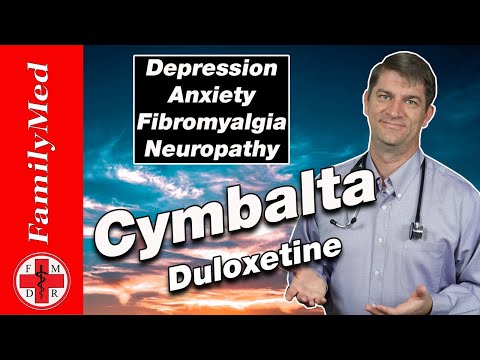
Duloxetine, which you might know as Cymbalta, is a medication commonly prescribed for both depression and anxiety. It belongs to a class of drugs called serotonin-norepinephrine reuptake inhibitors (SNRIs). So basically, it helps balance certain chemicals in your brain that affect your mood and emotions.
When people talk about Duloxetine’s effectiveness, they often mention how it can make a huge difference in managing symptoms. It may help lift that heavy feeling of sadness or anxiety, making you feel more like yourself again. One study found that many patients experienced significant improvement in their symptoms after starting Duloxetine. It’s not just about feeling better; it’s about being able to enjoy life again.
Now let’s break down some key points about how Duloxetine works:
- Dual Action: It increases levels of both serotonin and norepinephrine. These are two important neurotransmitters linked to mood regulation.
- Dosage and Administration: Typically, the starting dose could be around 30mg, with some folks going up to 60mg or more if needed. Always under guidance from a doctor, of course!
- Timeframe: You might not feel the full effects right away. Like with many medications, it can take several weeks before you notice significant changes.
- Side Effects: As with any medication, there can be side effects—like nausea, dry mouth, or fatigue—so it’s important to communicate with your doctor if anything feels off.
So here’s where getting personal comes into play—imagine someone you know who’s struggled for years with anxiety and depression. They’ve tried different therapies but nothing seemed to really stick until they were prescribed Duloxetine. Slowly but surely, they started engaging more with friends and hobbies they used to love. That sense of connection returned!
Another thing worth mentioning is how Duloxetine can help with physical pain too since it’s sometimes used for conditions like fibromyalgia or chronic pain disorders. So if you’re dealing with both emotional and physical discomforts? You might find this med especially useful.
To sum up the effectiveness of Duloxetine: for many people dealing with depression and anxiety symptoms, it’s shown real promise in improving quality of life—not just by reducing those feelings but by helping them reconnect with things that bring joy or comfort back into their lives.
If you’re thinking about this medication as an option for yourself or someone else, it’s always best to have an open discussion with a healthcare professional who can provide tailored advice based on individual needs.
Top Medications for Treating Generalized Anxiety Disorder and Depression: A Comprehensive Guide
When it comes to tackling **Generalized Anxiety Disorder (GAD)** and depression, medications can often play a big role. One of the go-to options is a medication called **Duloxetine**, which is commonly prescribed at doses like **60mg**. So, let’s break down what this all means in simple terms.
First off, Duloxetine is known as an **SNRI**, which stands for serotonin-norepinephrine reuptake inhibitor. Sounds fancy, right? Basically, what it does is help keep two important chemicals in your brain—serotonin and norepinephrine—balanced. These chemicals are key players when it comes to mood and anxiety.
Now, you might be wondering how this medication helps with anxiety and depression specifically. Well, Duloxetine can reduce feelings of worry and sadness, making everyday life feel a little less heavy. People often report feeling more at ease after they start taking it.
But here’s the thing: starting any new medication can come with its share of bumps along the road. Just like my buddy Jake said when he began taking Duloxetine for his anxiety: he felt a bit lightheaded at first. Those feelings did settle down after a week or so. Everyone’s body reacts differently, so keep that in mind if you decide to go this route.
Here are some important points about Duloxetine:
- Effectiveness: Many studies show that Duloxetine can significantly improve symptoms of GAD and depression.
- Dosage: While 60mg is common, doctors may adjust your dose based on how you’re feeling.
- Side Effects: Some people experience side effects like nausea or fatigue when they start taking it, but these often fade over time.
- Withdrawal Symptoms: If you ever need to stop taking it, chat with your doctor first; stopping suddenly can lead to withdrawal symptoms.
And here’s something cool: besides helping with anxiety and mood issues, Duloxetine has been used for managing chronic pain too! It’s kind of like killing two birds with one stone if that’s something you’re dealing with as well.
It’s always good practice to have an open conversation with your healthcare provider about any concerns or questions you might have regarding medications like Duloxetine. They can help tailor the best plan for you based on your specific needs.
In summary, while medications like **Duloxetine 60mg** aren’t magical solutions on their own—nothing ever is—they can certainly help you manage symptoms better when combined with therapy or lifestyle changes. Just remember that everybody’s journey is different; what works wonders for one person may not be perfect for another.
So whether you’re contemplating starting this medication or simply curious about how it functions in relation to anxiety and depression—now you’ve got a clearer picture!
Understanding Duloxetine: How Long Does It Take to Alleviate Depression and Anxiety Symptoms?
Duloxetine, or as some folks might call it by its brand name, Cymbalta, is a medication that’s often used to help manage symptoms of depression and anxiety. It’s classified as a serotonin-norepinephrine reuptake inhibitor (SNRI), which basically means it helps boost levels of certain chemicals in your brain that can make you feel better. But how long does it actually take for this little pill to start working its magic?
Well, the answer isn’t super straightforward. For most people, you might start feeling some relief from your symptoms within **one to two weeks**. That’s pretty quick, right? However, for others, it could take about **four to six weeks** before you really notice a significant difference. It all depends on your unique body chemistry and how you respond to the medication.
Here are a few key points to consider:
- Initial effects might show up in the first week or so.
- Full effect could take up to six weeks.
- Your doctor will likely monitor you during this time to adjust dosage if necessary.
It’s really important not to get discouraged if you don’t feel amazing right away. Remember that everyone reacts differently; some people might feel better faster than others.
A friend of mine struggled with anxiety for years and started taking duloxetine at 60mg. At first, she was worried because she didn’t notice much change in the first couple of weeks. But then she began feeling more relaxed and less overwhelmed around week three. Like she could finally breathe again! It was such a relief for her—and honestly for all of us who love her.
However, while many find duloxetine helpful, it isn’t for everyone. Some people experience side effects—like nausea or drowsiness—when they first start taking it. That’s why keeping an open line of communication with your healthcare provider is super helpful during this time.
Important things to keep in mind:
- Side effects can diminish after the first few weeks.
- Talk openly with your doctor about what you’re experiencing.
- It’s crucial not to stop taking duloxetine abruptly; always consult your healthcare provider first.
So basically, if you’ve decided that duloxetine is worth trying out for managing anxiety or depression symptoms, just give yourself some grace as you wait for those benefits to kick in. Be patient with yourself and trust the process!
Okay, let’s chat about duloxetine, you know? You might’ve heard of it if you or someone you know has been dealing with anxiety or depression. It’s one of those medications that doctors often prescribe to help manage symptoms.
So, what’s the deal with duloxetine? Basically, it’s an antidepressant that falls into a category called SNRIs – that’s short for serotonin-norepinephrine reuptake inhibitors. In simpler terms, it helps boost the levels of two important chemicals in your brain: serotonin and norepinephrine. These guys play a big role in mood regulation. When they’re out of whack, it can lead to feelings of sadness or anxiousness.
Now, I remember talking to a friend who was really struggling with anxiety. She felt like she was stuck in a loop of worrying about everything—work deadlines, social interactions, even just making small talk at the grocery store! After chatting with her doctor and some back-and-forth about options, she started taking duloxetine at 60 mg. At first, she was nervous about side effects—like who wouldn’t be? But after a few weeks, things began to change for her.
She said she started feeling more like herself again. The constant weight on her chest lifted a bit. She could actually enjoy going out with friends without that cloud of dread hanging over her head. It’s like her brain got a little reset button pressed!
But hey, it’s not all sunshine and rainbows. Some people might experience side effects like nausea or changes in sleep patterns when they start taking it. And honestly? Everyone reacts differently to meds. Sometimes it takes time to find what really works for you.
In my friend’s case though, sticking with the duloxetine made a huge difference. It gave her the headspace to work on other aspects of her life—like therapy and self-care routines—that helped tackle anxiety from multiple angles.
So yeah, if you’re considering something like duloxetine for managing anxiety or depression symptoms, it’s super important to have that conversation with your doctor—because they can help figure out what dosage is right and keep an eye on how you’re doing overall. Just remember: you’re not alone in this journey!