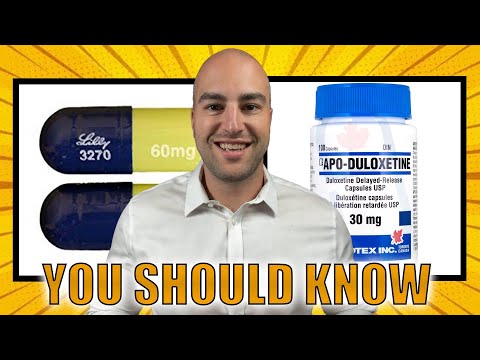
Hey, you know how sometimes we think about our mental health and what we put into our bodies? It’s wild, right?
Duloxetine’s one of those meds that can help out with anxiety and depression. But here’s the kicker: it can also mess with your weight.
So, what’s the deal? How does a little pill affect how we feel—and how we look? Let’s break it down together. You might find it interesting or even relatable!
Understanding Weight Gain on DULoxetine: Causes and Considerations
Duloxetine, commonly known as Cymbalta, is an antidepressant that falls under the category of serotonin-norepinephrine reuptake inhibitors (SNRIs). Many people take it for conditions like depression, anxiety, and even chronic pain. But here’s the thing: while it’s helping with your mental health, some folks notice it comes with a side effect—weight gain. Let’s break down what that means.
Weight Gain Basics
When you’re on Duloxetine, your brain’s chemistry gets a little tweak. It boosts neurotransmitters like serotonin and norepinephrine. These chemicals play a big role in mood regulation. But one side effect can be changes in appetite and metabolism, which might lead to weight gain.
Personal Experience
I remember talking to a friend who was prescribed Duloxetine for anxiety. At first, she was feeling like herself again—more energy and less foggy-headedness. But after a few months, she noticed her clothes getting snugger. She said some days she craved sweets like never before! This is definitely something to be aware of if you’re considering this medication.
The Silver Lining
Now don’t freak out just yet! Not everyone will experience weight gain on Duloxetine; some actually lose weight or stay the same! Genetics plays a huge role in how each body responds to medications.
It’s super important to talk about any concerns with your healthcare provider if weight gain becomes an issue for you. This way they can help adjust dosages or explore alternatives if needed.
So yeah, while Duloxetine is doing wonders for your mental health—and that matters—it’s good to keep an eye on any physical changes too. Monitoring what you eat and staying active can help balance things out during treatment.
In short? Like anything in life, it’s about balance! Navigating mental health treatments is personal—what works for one may not work for another. Just remember: being kind to yourself during this journey is key!
Exploring the Impact of DULoxetine: Can It Trigger Mental Illness?
Duloxetine, often known by its brand name Cymbalta, is an antidepressant that falls into a category called serotonin-norepinephrine reuptake inhibitors (SNRIs). Basically, it helps boost levels of certain chemicals in your brain that affect mood and pain. It’s usually prescribed for conditions like depression, anxiety, and even chronic pain. So you might wonder: Can this medication actually trigger mental illness?
First off, let’s talk about how duloxetine works. By increasing serotonin and norepinephrine levels, it can help improve your mood. But when you start or stop taking it suddenly—or if the dose is adjusted—it can lead to some side effects like irritability, nervousness, or even heightened anxiety. You see? Your body’s adjusting to changes in chemical balances.
Now about weight gain, which is a common concern with many medications, including duloxetine. Some people find themselves gaining weight while on it. This can be frustrating and might contribute to feelings of low self-esteem or depression for those already struggling with mental health issues. Weight management can become challenging due to changes in appetite or metabolism caused by the medication.
But let’s get back to the question—can duloxetine actually trigger a mental illness? Well, if someone has a history of bipolar disorder or other mood disorders, starting an SNRI like this might not be the best idea without careful monitoring. Sometimes medications can spark manic episodes in those prone to them. And for others? While duloxetine might alleviate depressive symptoms initially, there can be times where you’re left feeling anxious or restless.
Here’s an example to think about: Imagine Sarah who has been battling depression for years. She starts taking duloxetine and feels great at first! But after a few weeks of treatment, she notices her anxiety levels skyrocketing instead of decreasing. This becomes quite distressing for her; she feels stuck between feeling better emotionally on one hand but being more anxious on the other.
Furthermore, stopping duloxetine suddenly could lead to withdrawal symptoms like mood swings and anxiety spikes—sometimes pretty intense ones! That’s why it’s super important to talk with your healthcare provider before making any changes to your medication regimen.
So just remember:
- Duloxetine helps some but may not help everyone.
- Weight gain could affect mental health negatively.
- Monitor any unusual mood changes closely.
- Always consult with a doctor regarding dosage changes.
In sum, while duloxetine offers relief for many struggling with depression and related conditions, it’s essential to consider potential side effects seriously—especially concerning weight gain and mood fluctuations. It’s all about finding the right balance for you—a journey that sometimes requires tweaking along the way!
Understanding Rapid Weight Loss While Taking Cymbalta: Causes and Considerations
Understanding Rapid Weight Loss While Taking Cymbalta
Cymbalta, or duloxetine, is an antidepressant that falls under the category of serotonin-norepinephrine reuptake inhibitors (SNRIs). It’s often prescribed for conditions like depression, anxiety, and chronic pain. But here’s where it can get a bit tricky: while many people experience weight gain on Cymbalta, some may actually lose weight rapidly. So let’s break down what might be going on.
First off, the body can react differently to medications. Some folks might find their appetite decreases when taking Cymbalta. This could be due to side effects like nausea or feeling more energized and less inclined to munch throughout the day. It’s kind of like how some people have reported their taste buds shifting after starting this med—food might not seem as appealing anymore.
Another factor is the underlying mental health condition. If you’re dealing with severe depression or anxiety, these issues could cause significant changes in your eating habits. Some people lose their appetite entirely when they’re feeling low. So if Cymbalta helps lift your mood a bit while dampening your urge to snack, rapid weight loss can result.
Also, side effects play a big role here. Besides nausea, other common ones include insomnia and increased sweating. Losing sleep can ramp up stress and anxiety levels, which can further mess with your appetite and metabolism. Think about it: if you’re stressed out at night from not sleeping well, you might just skip breakfast because you’re too frazzled.
Don’t forget about the importance of lifestyle changes. If you started exercising more or made healthier food choices around the same time you began taking Cymbalta, that could lead to unexpected weight loss as well. Sometimes medication leads people to feel better enough that they want to take better care of themselves in other areas too!
But hey, rapid weight loss isn’t always a good thing—it can lead to nutritional deficiencies or other health issues if it’s not approached carefully. That’s why it’s super important for anyone experiencing this kind of change to chat with their doctor. They can help assess whether the weight loss is a cause for concern or just a temporary reaction.
Finally, everyone’s body is different; what works for one person may not work for another when it comes to medication side effects and weight management. Staying in touch with your healthcare provider about how you’re feeling on Cymbalta is key!
Remember: while some people may lose weight rapidly on Cymbalta due to decreased appetite or changing conditions linked with anxiety and depression, others may have completely different experiences—some even gaining weight instead! If you notice any drastic changes while taking this medication, don’t hesitate to reach out for support! Getting through this journey together makes all the difference!
So, let’s chat about Duloxetine for a sec. It’s an antidepressant that’s often prescribed for major depressive disorder, anxiety, and even chronic pain. It’s one of those serotonin-norepinephrine reuptake inhibitors—yeah, that’s a mouthful. Basically, it helps your brain balance chemicals that affect your mood and emotions. Pretty cool, right?
But here’s the thing: some people experience weight gain while being on this medication. And weight fluctuations can dig really deep into your mental health, you know? I remember a friend of mine who was super excited to start taking Duloxetine because she thought it might help her with her anxiety. For months, she felt a bit more stable emotionally and less overwhelmed by life. But then the scale started creeping up.
At first, she tried to brush it off—maybe it was just the holidays or some extra snacks during Netflix binges—but soon it started to weigh heavily on her mind (pun intended). It’s like this sneaky connection formed between her feelings about her body and her mental health stability. She found herself spiraling; she felt trapped in this cycle of anxiety about weight gain leading to more anxiety about everything else.
I mean, you follow me? That struggle is all too real. Weight gain isn’t just about numbers; it’s tied up with self-image and confidence (and let’s be honest, society doesn’t always make that easy). It turned out she needed to talk through these feelings during therapy sessions.
On one hand, Duloxetine helped ease her panic attacks and relieve some depressive symptoms; but on the other hand, dealing with weight gain brought its own set of issues—like feeling less than adequate or having moments of frustration when clothes didn’t fit right anymore.
It’s fascinating yet frustrating how these connections work. If you’re thinking about using Duloxetine or already are, it’s worth chatting with a healthcare professional about potential side effects like weight changes—even if you feel okay mentally at first. Because let’s face it: juggling physical well-being alongside mental wellness is no small feat for anyone.