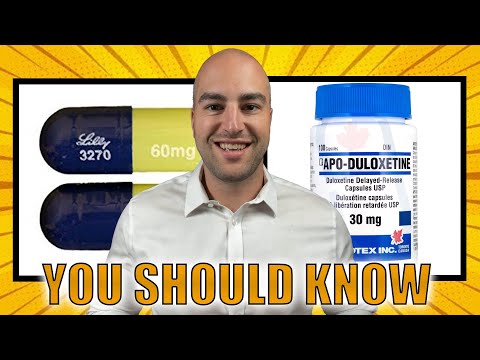
So, let’s chat about duloxetine HCL 30mg. You might have heard of it, or maybe someone close to you has.
It’s one of those medications that plays a role in mental health care.
Now, I know what you’re thinking. Medications can be confusing.
But don’t worry! We can break it down together and make sense of why it’s important.
Imagine feeling weighed down by anxiety or depression—it’s no fun at all, right?
Well, that’s where duloxetine comes into play. It might just help lighten the load a bit.
Let’s dig into what this little pill can do for you or someone you care about!
Understanding Duloxetine Side Effects: What You Need to Know for Mental Health Management
Alright, let’s talk about Duloxetine. You might have come across it while exploring options for managing mental health. It’s a type of medication known as a serotonin-norepinephrine reuptake inhibitor (SNRI). That’s just a fancy way of saying it helps balance certain chemicals in your brain that affect mood and pain.
Now, with any medication, side effects can be a reality. So, what do you really need to know about the side effects of Duloxetine? Let’s break it down.
Common Side Effects
You could experience some pretty common side effects when starting Duloxetine. They often include:
- Nausea
- Drowsiness or fatigue
- Dizziness
- Dry mouth
- Constipation or changes in appetite
These issues may not seem like a big deal at first. I mean, who hasn’t had a little nausea after taking meds? But if they don’t go away after a couple of weeks, it might be worth talking to your doctor.
Less Common but Serious Side Effects
Now here’s where things get more serious. Some people might face less common but more serious effects. These can include:
- High blood pressure
- Liver issues (though it’s rare)
- Severe allergic reactions, like rashes or swelling
- Thoughts of self-harm or suicidal thoughts, especially when starting treatment or changing doses.
So yeah, these aren’t fun to think about. If you start feeling any way that makes you uncomfortable—emotionally or physically—you should definitely reach out for help.
Your Experience Matters
Let me share a quick story here: my friend Sam started taking Duloxetine for anxiety and depression. At first, he felt super tired all the time and had some weird dreams that left him groggy in the morning. But after sticking with it for about six weeks—and chatting with his doctor—he got adjusted to the dose and those feelings faded away. It highlighted how important communication is when you’re dealing with medication.
Tapering Off Duloxetine
Another key point is how to stop taking Duloxetine if you ever need to switch meds or stop altogether—don’t just quit cold turkey! Your doctor will probably suggest tapering down gradually instead, since stopping suddenly can lead to withdrawal symptoms like dizziness and irritability.
The Bottom Line
In short, understanding the side effects of Duloxetine is crucial for managing your mental health effectively. Stay informed and keep an open dialogue with your healthcare provider every step of the way! You deserve to feel good both mentally and physically while on this journey.
So there you have it! Just remember that everyone reacts differently to medications—what works wonders for one person may not be great for another. Stay curious and take care of yourself out there!
Understanding Duloxetine 30 mg: Benefits, Side Effects, and Usage in Mental Health Treatment
So, you’re curious about **Duloxetine 30 mg** and how it fits into mental health treatment. Let’s break it down into bite-sized pieces.
Duloxetine is a medication that belongs to a class of drugs called serotonin-norepinephrine reuptake inhibitors (SNRIs). Basically, what that means is it helps balance certain chemicals in your brain. These chemicals are important for mood regulation, anxiety, and even pain perception.
You might be wondering why someone would be prescribed this med. Well, it’s often used to treat things like:
- Depression: If you’re feeling really low and having trouble enjoying life, Duloxetine can help lift your mood.
- Anxiety disorders: For those who feel overwhelming worry or fear, this can ease those intense feelings.
- Pain management: Believe it or not, it’s also used for chronic pain related to conditions like fibromyalgia or diabetic neuropathy.
When you take **Duloxetine 30 mg**, you’re usually starting on a lower dose to see how your body reacts. Once your doctor monitors you for a bit, they may adjust that dose depending on how you’re feeling.
Now, let’s chat about the **benefits**. Many people find that their mood improves significantly. Imagine waking up one day and actually wanting to get out of bed—sounds nice, right? Plus, if chronic pain has been dragging you down too, Duloxetine can help with that as well.
But it’s not all sunshine and rainbows. There are some **potential side effects** to keep in mind:
- Nausea: It’s pretty common to feel a bit queasy when starting out.
- Dizziness: Some folks report feeling lightheaded; this might happen especially when standing up too fast.
- Fatigue: You might feel more tired than usual at first.
- Sweating: Increased sweating can occur; just another thing that might catch you off guard.
If you experience something more serious like suicidal thoughts or severe allergic reactions (think rash or swelling), let your doctor know immediately—that’s no joke.
So here’s the thing—taking any medication, including Duloxetine 30 mg requires some patience. Your body needs time to adjust. And while side effects can be annoying, they often fade as your body gets used to the medication.
Oh! And don’t just stop taking it suddenly if you decide you don’t want to continue—talk with your healthcare provider first! They’ll have a plan in place to taper down safely.
In the end, **Duloxetine** can play an important role in helping many people manage their mental health conditions effectively. Just remember: communication with your healthcare team is key!
Understanding the Side Effects of Duloxetine 30 mg: What You Need to Know
So, let’s chat about duloxetine, especially that 30 mg dose. You might’ve heard of it—it’s a medication often prescribed for conditions like depression, anxiety, and even chronic pain. But like all medications, it can come with some side effects that you should totally be aware of.
First off, what is duloxetine? Well, it’s classified as an SNRI, which stands for serotonin-norepinephrine reuptake inhibitor. Basically, it helps your brain increase the levels of two important chemicals. Those are serotonin and norepinephrine. These are super important for mood regulation and can help you feel better when you’re struggling.
Now onto the side effects—this part is crucial! Just because a med can be helpful doesn’t mean it’s perfect. Some people experience a range of side effects when taking duloxetine.
- Nausea: A lot of folks report feeling a bit queasy when starting out on duloxetine. It often gets better after your body adjusts to the medication.
- Drowsiness or fatigue: Some find themselves feeling more tired than usual. If you’re on this med, just keep in mind to maybe take it at night.
- Dizziness: You might feel a little lightheaded or dizzy sometimes, especially when standing up quickly.
- Dry mouth: This one can be annoying! Some people find themselves reaching for water more often or chewing gum to help.
- Constipation: Let’s be real; this isn’t the most fun topic but it happens. Drinking more water might help.
- Increased sweating: Yes, that means you could find yourself sweating more than normal. Think of those unexpected moments!
- Sexual dysfunction: This can affect libido or lead to difficulties with arousal or climaxing for some people.
So hear me out: individual experiences vary widely with medications like this one. One person could sail through with minimal side effects while another feels a bit overwhelmed by them. It’s like rolling the dice—you never know how it’ll go until you’re in it.
Here’s something personal: I had a friend who started taking duloxetine after struggling with anxiety for years. At first, they felt really nauseous but decided to stick it out because they wanted relief from their anxiety symptoms so badly. After a couple weeks things settled down for them! That initial discomfort turned into something positive over time.
But hey! If you notice any side effects that feel serious or just weird—like thoughts about self-harm or really unusual mood swings—you should definitely reach out to your doctor ASAP.
Remember that medication isn’t always a magic bullet; sometimes it’ll take some tinkering to find what works best for you and your body. So keep an open line of communication with your healthcare provider and don’t hesitate to express any concerns about how you’re feeling!
In short: Duloxetine has its quirks and possible downsides like most meds do—but many people find them worth tolerating in exchange for improved mental health overall!
You know, when it comes to mental health care, we often find ourselves navigating through a maze of options. One medication that pops up sometimes is Duloxetine HCL, especially at that 30mg dose. It’s interesting, right?
Duloxetine is in the class of drugs called serotonin-norepinephrine reuptake inhibitors (SNRI). I mean, it sounds fancy, but what it really does is help balance certain chemicals in your brain. This can make a big difference if you’re grappling with things like depression or anxiety. Imagine feeling like you’re stuck in a fog; then suddenly, someone opens a window and let’s in some light. That’s kind of what Duloxetine aims for.
I once talked to a friend who’d been prescribed Duloxetine. She described her experience as life-changing in some ways. Before taking it, she felt constantly on edge and overwhelmed with daily tasks—like even getting out of bed was an uphill battle. After a few weeks on the meds, she started noticing little shifts; the heaviness felt lighter. You could see her energy returning and her spark reigniting! It’s wild how something so small can have such a rippling effect.
But here’s the thing: medication isn’t always a one-size-fits-all solution. What works wonders for one person might not do much for another—so there’s definitely an element of trial and error involved. Plus, wrapping up your treatment with therapy or lifestyle changes usually offers even more support.
It’s like trying to find that perfect playlist to match your mood; sometimes you need to skip around until you find the right vibe that clicks with you!
So yeah, Duloxetine HCL at 30mg isn’t just about numbing feelings or zoning out; it’s about carving pathways back to feeling more balanced and connected with yourself again. Just remember that discussing any concerns or experiences with your healthcare provider is super crucial on this journey!