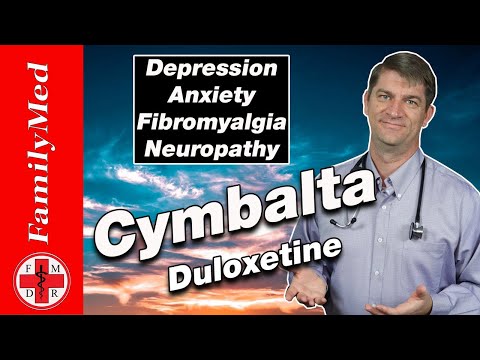
So, let’s chat about something that can be a bit tricky—duloxetine hydrochloride. You might have heard of it, right? It’s that antidepressant that helps with depression and anxiety, among other things.
But there’s more to it than just feeling better. Like any medication, it comes with its own set of quirks…or you know, side effects.
Now, don’t get me wrong; this med can work wonders for some folks. But it can mess with your mental wellbeing in ways you might not expect.
Think about it: you’re trying to feel better, but then you’re hit with some weird feelings or changes. That’s the thing we gotta talk about. So let’s dig into what you should know about those side effects and how they might affect your day-to-day life!
Understanding Cymbalta Brain Zaps: Causes, Symptoms, and Solutions
Cymbalta, or duloxetine hydrochloride, is a prescription medication often used for anxiety and depression. But hey, sometimes people experience these weird sensations called “brain zaps” while taking it or when they stop. So let’s break down what these brain zaps are all about.
What are Brain Zaps?
Think of brain zaps as those strange, electric-shock-like feelings you might get in your head. They can feel a bit like a jolt or a buzz, and for some people, they can be really unsettling. You know when you’re just dozing off and suddenly wake up with your heart racing? It’s kind of like that, but more in your head.
Causes of Brain Zaps
So what causes these funky sensations? Well, there’s no one clear answer. They’re often linked to the way Cymbalta interacts with neurotransmitters in your brain—especially serotonin. When you mess with how serotonin works by starting or stopping Cymbalta too quickly, it can lead to these weird zaps.
- Discontinuation syndrome: Stopping the medication suddenly can trigger brain zaps.
- Dose changes: Adjusting your dosage might also lead to feeling those electric jolts.
- Anxiety and stress: If you’re already feeling anxious or stressed out—these feelings can amplify the zaps.
Symptoms
Aside from the zappy sensation itself, people may report other symptoms that come along for the ride. These include dizziness, nausea, or just a general feeling of being out of it. It’s not exactly fun and can add to whatever you’re already dealing with mentally.
There was this one person I knew who described brain zaps like «a mini lightning storm» happening in their head. It was super distracting during work and even when trying to relax at home.
Solutions and Coping Strategies
If you’re experiencing brain zaps while on Cymbalta (or after), there are some steps you might consider:
- Tapering off: If you’re thinking about stopping Cymbalta, talk to your doctor about tapering down slowly instead of quitting cold turkey.
- Meds adjustment: Sometimes simply adjusting the dosage can help minimize those zappy feelings.
- Coping techniques: Mindfulness practices or grounding techniques may help distract from the sensations and ease anxiety.
Speaking with a therapist might also give you some tools to manage anxiety related to these experiences.
In short, brain zaps can be an annoying side effect if you’re on Cymbalta or coming off of it. While they may not happen to everyone taking this med, staying informed helps make sense of what’s happening in your body—and that’s super important for managing your mental well-being!
Understanding the Effects of Abruptly Stopping Duloxetine: What You Need to Know
Duloxetine, which you might know as Cymbalta, is an antidepressant that falls into the category of serotonin-norepinephrine reuptake inhibitors (SNRIs). It’s often prescribed for depression, anxiety, and chronic pain. But what happens when you decide to stop taking it suddenly? Let’s break it down.
First off, sudden discontinuation can lead to withdrawal symptoms. These can be pretty uncomfortable. It’s like your brain’s trying to adjust quickly without the medication it got used to. You might feel dizzy, irritable, or even experience flu-like symptoms. Imagine waking up one day feeling like your head is in a fog and you can’t shake it off. Not fun, right?
- Dizziness: You could feel lightheaded or unsteady.
- Nausea: Some folks report feeling queasy or having an upset stomach.
- Irritability: Your patience might wear thin for even small things.
- Sleep disturbances: You might find it tough to sleep soundly or feel like you’re having weird dreams.
What happens is that duloxetine alters the levels of certain chemicals in your brain. When you stop it abruptly, those levels shift suddenly too, which can mess with how you feel emotionally and physically.
Emotional side effects are also common when stopping duloxetine abruptly. It’s not unheard of for people to experience feelings of anxiety or depression that they thought were behind them. You could find yourself feeling low again after making progress in therapy or with other treatments. Like taking a step backward just when you thought you were moving forward.
There’s also a risk of encountering something called «discontinuation syndrome.» This isn’t just a buzzword; it’s a real thing! Symptoms can vary but may include:
- Flu-like symptoms: Think body aches and chills.
- Anxiety spikes: Feeling anxious out of nowhere.
- Cognitive difficulties: Trouble concentrating or “brain fog.”
So how should one go about stopping duloxetine? Well, usually, this kind of medication should be tapered down gradually rather than halted completely overnight. If you’re thinking about quitting or reducing your dosage, it’s super important to work with your doctor on a plan that feels right for you.
Another thing: don’t hesitate to bring up any concerns with your healthcare provider about the risks and side effects you’re worried about. They’ve likely heard it all before and can guide you through what to expect.
In short, abruptly stopping duloxetine can lead to some not-so-great feelings—both emotionally and physically. If you’re considering making a change in your medication routine, take it slow and keep communication open with your doc. Remember that mental wellbeing is complex and deserves attention!
Exploring the Impact of Duloxetine on Emotional Sensitivity: Does It Dull Your Feelings?
Duloxetine is an interesting medication. It’s mainly used to treat depression and anxiety, but people often wonder about its effect on emotional sensitivity. You might have heard some chatter that it can dull your feelings. So, let’s break this down a bit.
Duloxetine works by balancing neurotransmitters in your brain, specifically serotonin and norepinephrine. These two chemicals play a big role in regulating mood and emotional responses. When things are off-kilter, you can end up feeling down or anxious, right? So, adjusting these chemicals can help lift you back up.
Now, here’s the thing: while duloxetine can help with symptoms of depression and anxiety, it might also change how you experience emotions. Some people report feeling less intense emotions—both positive and negative. Imagine watching a really touching movie but not tearing up at all; that’s kind of what we’re talking about.
So why does this happen? It’s not that you stop feeling; it’s more like your feelings get muted a bit. For instance:
- You may feel less overwhelmed by sadness during tough times.
- On the flip side, joyful moments could feel less vibrant.
- Some people notice they could become more detached from their feelings or even their relationships.
Let’s say you’re having a rough day at work; normally, you’d be upset and maybe cry for a bit. On duloxetine, you might find yourself just shrugging it off instead of being super impacted by it—but then again, that means less joy when something good happens too.
It’s also worth mentioning the research on this topic is mixed. Some studies show no significant change in emotional sensitivity for many users while others indicate that duloxetine can dampen feelings for some individuals. Everyone reacts differently!
Anecdotes from users suggest variations too. Maybe you know someone who took duloxetine and felt more balanced and stable emotionally without feeling numb. Conversely, another person might express frustration over feeling “flat” or emotionally blunted—where’s the passion gone?
When considering taking duloxetine or already using it, communicating with your healthcare provider is key! They can help monitor any changes in your emotional state throughout treatment.
In summary, duloxetine can impact how intense your emotions feel but that varies from person to person—it’s not a one-size-fits-all situation! If you’re thinking about starting it or already are using it and have concerns about your feelings getting duller, don’t hesitate to reach out for support or discuss what you’re experiencing with someone who understands mental health care better.
So, let’s chat about duloxetine hydrochloride, a medication often prescribed for things like depression and anxiety. You might know it by its brand name, Cymbalta. It can be a game-changer for many, but like anything in life, it comes with its own set of quirks—especially when it comes to mental wellbeing.
Now, I remember chatting with a friend who had been on it for a while. At first, things seemed pretty good. She felt her mood lift and could finally tackle her day-to-day stuff without feeling weighed down. But then, bam! Some side effects began creeping in. You see, duloxetine can mess around with your body in unexpected ways.
For instance, some folks report feeling queasy or having stomach issues—nothing like a little nausea to ruin your day, right? Others experience fatigue or even dizziness. These physical side effects can add an extra layer of stress when you’re already trying to manage your mental health.
But what really struck my friend was the emotional rollercoaster that came along for the ride. While duloxetine helped alleviate some anxiety and sadness, she started feeling a bit disconnected from her emotions. It’s like she was watching her life from the sidelines instead of living it fully. It’s strange how something designed to help you feel better could also make you feel… well, kind of numb.
And then there were those moments of irritability that popped up out of nowhere! One minute she’d be laughing at something silly; the next she’d be snapping at her partner over the smallest thing. That emotional whiplash really took a toll—not just on her but also on those around her.
That’s why it’s super important to stay aware of how you’re responding to any medication. If you’re on duloxetine or thinking about starting it, don’t hesitate to talk about what you’re experiencing with your doctor or therapist. Getting into open conversations can help you find the right balance—because mental wellbeing isn’t just about treating symptoms; it’s about living your life fully too.
In the end, medications like duloxetine can be powerful allies in our quest for mental wellness—but they aren’t silver bullets,. Staying mindful of how they impact both body and mind is key so you can navigate this journey with as much support as possible. You deserve that!