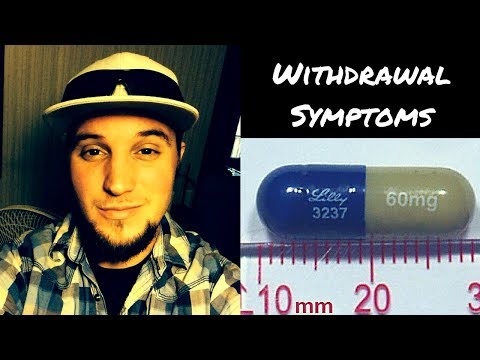
So, you’re thinking about coming off Duloxetine? That’s a big deal. Seriously, it can feel like a rollercoaster ride.
I mean, you might be wondering how your body will react. Will it be smooth sailing or a bumpy road?
Withdrawal challenges can be no joke. Some folks might experience anxiety, mood swings, or even weird physical sensations. It’s like your brain is throwing a little tantrum for losing its usual support.
And you know what? You’re not alone in this. Many people face struggles when trying to stop meds like Duloxetine. It’s totally normal to have questions and concerns about what’s coming next.
Let’s chat about what you might encounter on this journey and how to handle it together!
Navigating the Transition: What to Expect When Weaning Off Duloxetine for Mental Health
Weaning off duloxetine, which is often used for depression and anxiety, can be tricky. It’s one of those medications that people might feel they’ve relied on for a while. So, if you’ve decided to stop taking it or are just curious about what that transition looks like, here’s a heads-up about the journey.
First off, let’s talk about what duloxetine does. It’s a type of antidepressant known as an SSNRI (serotonin-norepinephrine reuptake inhibitor). Basically, it helps balance mood by affecting certain chemicals in the brain. But when you suddenly stop taking it or taper down too quickly—bam! You might experience some withdrawal symptoms.
Some common symptoms can include:
- Brain zaps: These weird sensations can feel like little electric shocks in your brain.
- Mood swings: You might find yourself feeling irritable or teary for no reason.
- Nausea: This lovely side effect may hit you out of nowhere, making you feel queasy.
- Fatigue: You could feel more tired or lethargic than usual.
- Dizziness: Some folks report feeling woozy or unsteady as they wean off.
It’s important to take this process seriously. Think of it like stepping off a rollercoaster; if you leap off too fast, you’re going to feel that sudden drop. A gradual tapering is usually recommended to help manage these symptoms effectively. Your doctor can create a schedule that suits you best so you can safely reduce your dose over time.
Now let me share a little story here. I knew someone named Sarah who had been on duloxetine for almost two years. When she started to wean off, she was super scared about what might happen. She spoke with her doctor about her concerns and got a proper plan in place. Over several weeks, she slowly reduced her dosage and found ways to cope with the uncomfortable feelings that popped up—like keeping herself busy with hobbies and staying connected with friends.
And hey, don’t forget support systems. Whether it’s friends, family, or a therapist—having people around who understand what you’re going through can really help lighten the load.
Lastly, remember that everyone’s experience is different! What works for one person might not work for another. If things start feeling overwhelming or unmanageable during this transition period—don’t hesitate to reach out to your healthcare provider.
So in short: Be prepared for some bumps along the road when weaning off duloxetine but know that it’s totally doable! Take it slow and lean on your support network as much as possible—you got this!
Understanding Emotional Blunting: Duration and Effects After Stopping Antidepressants
Emotional blunting is something many people experience, especially after stopping antidepressants like duloxetine. It’s a term that describes feeling less emotional response, a bit like watching life unfold behind a glass. You’re there, but you’re not really feeling it, you know?
When you decide to stop taking duloxetine or similar medications, emotional blunting can happen as part of the withdrawal process. This isn’t just about feeling sad or down; it’s more about realizing that joy, excitement, and even sadness don’t hit quite the same way. It’s sort of like having your emotional volume turned down.
Duration is tricky to pin down since everyone’s different. Some may notice these feelings start fading in a matter of weeks, while for others, it could take months to really feel connected again. Imagine if your favorite song suddenly became muffled. You’d still recognize it but miss all the little nuances that make it resonate with you.
The effects of emotional blunting can be pretty annoying too. You might find yourself struggling with daily life more than usual. Here’s what often happens:
- Your relationships? They might feel strained. Friends or family could notice you’re a little distant.
- Work or school performance can drop because motivation feels harder to muster up.
- You could end up overthinking your feelings—like why isn’t this making me happy anymore?
For example, let’s say you used to love hanging out with friends at a concert. After stopping duloxetine, that excitement might just… evaporate. Instead of enjoying the music and vibe, you might catch yourself staring at your phone or thinking about how loud it is compared to the vibe you used to feel.
This is also linked to how quickly someone stops their medication. If someone goes cold turkey without tapering off under guidance from their doctor? That can ramp up withdrawal symptoms—emotional blunting included.
Feeling emotionally numb is actually pretty common, and there are ways to cope with it! Engaging in mindfulness activities or therapy can help reconnect those emotions gradually and improve your overall well-being.
Recovery can take time and that’s okay! Be patient with yourself during this transition period; things will get better eventually. Just remember that it’s completely okay to seek help if you’re struggling more than you’d like during this time—it shows strength!
Exploring the Link Between Duloxetine and Altered Mental Status: What You Need to Know
, often known by its brand name Cymbalta, is a medication mainly used to treat depression, anxiety, and certain types of pain. It’s classified as a serotonin-norepinephrine reuptake inhibitor (SNRI), which means it affects the levels of certain chemicals in your brain. So, when you start or stop taking duloxetine, your mind and body might react in ways that can be pretty complicated.
When we talk about withdrawal challenges, it’s important to remember that not everyone experiences the same symptoms. Some people might have no issues at all, while others could feel pretty crummy. If you’re considering stopping duloxetine or have already tried it, here are some things to think about:
I remember a friend who was on duloxetine for anxiety but decided she wanted to get off it. She just stopped one day without talking to her doctor first. Wow! Suddenly she was dealing with these intense mood swings and even felt foggy-headed at work—totally unlike her usual self. After chatting with her doc about tapering down slowly, things started to level out for her.
So why does this happen? Well, duloxetine changes the balance of neurotransmitters like serotonin and norepinephrine in your brain. When you suddenly stop taking it, those levels drop quickly and can lead to mental status alterations. Basically, it’s like someone turned the lights down low in a room you’re used to being bright.
Sometimes withdrawal symptoms can linger for weeks or even months after stopping the medication completely. It’s not fun—it’s more like riding an emotional rollercoaster without any safety harness.
Ultimately, staying informed and having support during this process is crucial—you don’t have to go through it alone! Whether it’s friends or professionals guiding you through changes in your mental health journey could make all the difference. Just keep those channels of communication open!
So, let’s chat about stopping duloxetine. You know, that medication some people take for anxiety or depression? It can be a bit of a double-edged sword. On one hand, it can work wonders in helping you manage your feelings and navigate through dark times. But then there’s the other side when you think about stopping it—oh boy, that’s where things can get tricky.
A friend of mine named Alex was on duloxetine for a while. He felt like he was finally able to see light after being stuck in a fog for so long. But when he started talking about tapering off, I could tell he was nervous. You see, withdrawal symptoms are real and they can be pretty tough to deal with. It’s not just some random idea floating out there; it’s something many experience firsthand.
I remember when Alex decided to cut back his dosage—he thought he’d just feel light as a feather and ready to take on the world again. Well, turns out that wasn’t exactly the case! A few days into it, he began experiencing these strange electric sensations in his head. It felt like little zaps, and honestly? That freaked him out more than anything. Then came the mood swings too: one minute he’d be all smiles and the next he was ready to cry over a cute puppy video.
And what people don’t realize is how much stopping can mess with your sleep patterns. Alex told me that insomnia became his new night buddy—he’d lie there tossing and turning while wondering if he’d ever fall asleep again! Seriously tough stuff.
The thing is, quitting duloxetine isn’t necessarily a walk in the park for everyone. Even though some might think it’s just about stopping the pills and moving on with life, some folks might need extra support during this time—like therapy or maybe just someone to listen to them vent about their struggles.
And here’s another kicker: it doesn’t all end once you stop taking it entirely. There’s this adjustment period where your body has to recalibrate without it—which is why doctors usually recommend tapering off rather than going cold turkey.
Through all of this, what really stood out for me was how important open conversations are around mental health medication—not just about how they help but also what happens when you decide to stop taking them! Support is key during those transition moments; feeling heard makes such a difference. It’s wild how complicated this journey can be but knowing you’re not alone helps lighten the load at least a little bit!