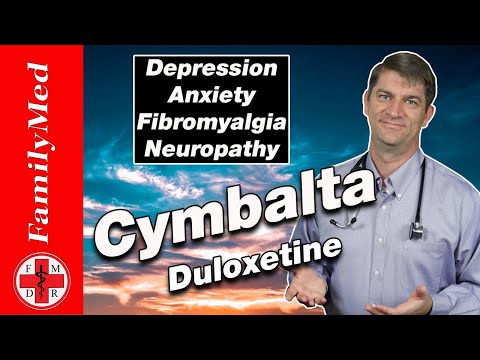
So, let’s talk about duloxetine. You know, that medication some people take for depression or anxiety?
But here’s the thing: it can also have some pretty interesting effects on how tired you feel. Seriously, like it might make you feel more awake, or sometimes it can totally knock you out.
You ever been in that place where you just don’t know how a med will affect your day-to-day vibe? Yeah, me too!
Let’s dig into this whole sleepiness thing and see what duloxetine does to the mix. Spoiler alert: it’s a bit of a rollercoaster.
Exploring Duloxetine: Does This Antidepressant Cause Constant Sleepiness?
Duloxetine, which goes by the brand name Cymbalta, is one of those antidepressants you might hear about often. It belongs to a class called serotonin-norepinephrine reuptake inhibitors (SNRIs). Basically, it helps your brain use serotonin and norepinephrine better, which can boost your mood. But does it make you feel sleepy all the time? Let’s break this down.
First off, **the side effects** can vary from person to person. Some people do report feeling tired or sleepy when they start taking duloxetine. It’s kind of like how some folks feel groggy after a heavy lunch. You know, that “I need a nap” sensation? But here’s the thing: it doesn’t happen to everyone who takes it.
Then there are those **who actually experience insomnia** or trouble sleeping while on duloxetine. Yes, I know—it sounds a bit contradictory! It really depends on your body and how it reacts to the medication. Some people might find themselves wide awake at night instead of nodding off.
A lot of doctors suggest starting with a lower dose and then gradually bumping it up. If you’re one of those who feels constantly sleepy after beginning treatment, talk to your doctor. They might adjust your dose or suggest trying something else that suits you better.
Also, **consider other factors** that affect sleepiness. Have you been dealing with stress or anxiety? Those can weigh you down just as much as medications can. Sometimes it’s hard to pin down what’s causing fatigue since life can throw so much at us.
Look at this scenario: Imagine you’re juggling work, family obligations, and maybe even school on top of everything else. Add duloxetine into the mix for depression or anxiety relief, and it’s no wonder you’re feeling fatigued! Your body is under lots of stress from various sources.
In terms of timing when you take it, many people find they prefer taking their dose in the morning instead of at night—this helps avoid that sleepy feeling during the day when they need energy most.
One more thing—any medication affects everyone differently due to **individual biology** and overall health conditions. Factors like age, weight, medical history, and even diet can play significant roles in how likely someone is to feel drowsy on duloxetine.
So what’s the takeaway here? Duloxetine might cause sleepiness for some but not for others; paying attention to how your body reacts is key! Don’t hesitate to discuss your experience with a healthcare professional if you’re concerned about being tired all the time while on this medication—your health matters!
Exploring the Psychological Effects of Duloxetine: Understanding Its Impact on Mental Health
Duloxetine, you know, is one of those medications used to treat various conditions like depression, anxiety, and even some chronic pain issues. So, what’s the deal with it? Well, it’s classified as a selective serotonin and norepinephrine reuptake inhibitor (SSNRI). Basically, it helps balance certain chemicals in your brain that can affect your mood and feelings.
Now, let’s talk about its effects on mental health. For a lot of people, duloxetine can be a game-changer. It helps reduce the symptoms of depression and anxiety for many. But—and this is important—everyone reacts differently.
A common question that pops up is about sleepiness. Some folks report feeling sleepy or drowsy when taking duloxetine. This isn’t unusual. The medication can affect your energy levels in different ways. If you’re already dealing with fatigue from depression or anxiety, you might feel even more tired.
Here’s the thing: being sleepy can impact your day-to-day life in a big way. You might find it tough to concentrate at work or school. You could feel irritable or just “off.” It can kind of become this cycle that makes things harder to manage.
- Some studies suggest that duloxetine doesn’t just help lift moods but also improve sleep quality.
- However, the sedative effect might make you want to take naps instead (which isn’t always ideal).
- Others have found that as their body gets used to the medication over time, those sleepy feelings lessen.
Let me share a quick story here to put it into perspective—think about someone named Alex. Alex started taking duloxetine for anxiety after struggling for years. At first, they felt super drowsy all the time and wondered if they’d made a mistake starting this med. But after a few weeks? That sleepiness faded away! Alex found their focus coming back and was finally able to enjoy things again.
So yeah, while some people may experience sleep-related side effects from duloxetine initially, many often notice these feelings settle down over time as their bodies adjust.
It’s crucial to keep communication open with your doctor if you’re considering or currently using duloxetine. They can help monitor any side effects you’re experiencing and adjust dosages if needed.
In short? Duloxetine has its ups and downs like any medication—you just have to find what works best for you while being mindful of how it affects your mental health overall.
Understanding Cymbalta Brain Zaps: Causes, Symptoms, and Management Tips
So, let’s chat about Cymbalta and those annoying brain zaps that some people experience. If you’ve been on duloxetine (that’s the fancy name for Cymbalta), you might have had a weird sensation that feels like little electrical jolts in your head. Sounds bizarre, right? Well, it’s more common than you think.
What are Brain Zaps?
Brain zaps are those sudden, brief feelings that can feel like a zap or jolt in your brain. They usually happen when you’re reducing your dose of medication or stopping it altogether. It’s like your brain is saying, “Hey, what’s going on?”
Causes of Brain Zaps
There isn’t one clear reason why these happen with Cymbalta. Some experts think it may be due to how the drug affects serotonin levels in your brain. When those levels drop suddenly because of a missed dose or withdrawal, your body might react with these zaps.
- Serotonin Receptors: Cymbalta influences serotonin pathways. Rapid changes can cause your neurons to misfire.
- Withdrawal Effects: If you’re tapering off Cymbalta too quickly, your system can get overwhelmed.
- Certain Dosages: Some people report more brain zaps at higher doses or when they miss doses regularly.
Symptoms You Might Feel
Okay, so how will you know if you’re experiencing brain zaps? Besides the actual zapping sensation, you might feel:
- A sudden rush or whoosh feeling in your head.
- A brief ringing in your ears.
- Dizziness or lightheadedness.
- Anxiety or irritability accompanying the sensations.
It can be unsettling! I remember chatting with a friend who was on Cymbalta and every time she missed her pill, she felt like she was getting jolted awake from sleep—super uncomfortable.
The Best Ways to Manage Brain Zaps
If these zaps are bothering you, there are ways to handle them:
- Taper Slowly: When adjusting dosages, always work with your doctor to reduce the dose gradually instead of stopping cold turkey.
- Stay Consistent: Try not to skip doses. Keep a routine for taking meds—you could set an alarm!
- Meditation and Mindfulness: Stress can heighten sensations. Relaxation techniques may help keep anxiety at bay.
- Talk to Your Doctor: If the zaps are persistent or bothersome, it’s good to check in with a healthcare provider about alternatives or different strategies!
So there you go! Understanding why those annoying brain zaps happen can really help demystify them. Just remember: staying engaged with your healthcare team is key; they can help guide you through any concerns while using Cymbalta or any other medications.
Duloxetine, huh? It’s one of those medications that can really change the game for folks dealing with depression and anxiety. You know how it is—sometimes you just wanna feel a little more balanced, and for many, this medication helps with that. But then there’s the question of sleepiness.
So, picture this: a friend of mine was struggling with anxiety for a long time. She was constantly on edge and couldn’t see any way out of that fog. After talking to her doc, she got prescribed duloxetine. At first, she felt like it was a breath of fresh air—less anxiety, more focus. But then came the drowsiness.
It’s funny how a med meant to help can also make you feel like you just wanna crawl back under the covers. Some people report feeling surprisingly sleepy after starting it, and it can turn into quite the balancing act. You might find yourself wide awake one moment—thanks to anxiety—and then nodding off during lunch or something ridiculous like that.
What happens is that duloxetine works by affecting certain neurotransmitters in your brain—like serotonin and norepinephrine—which are pretty key in regulating mood and stress levels. But while balancing those out can help you feel better overall, for some folks, it’s also like their body decides sleepiness is gonna be part of the package deal.
It’s important to chat with your doctor if you’re finding yourself getting drowsy during the day or if you’re not sleeping well at night while on this stuff. Sometimes they’ll suggest adjusting the dose or even switching medications altogether.
Honestly, navigating mental health meds can feel like walking through a maze blindfolded sometimes. You’re looking for what works best for you without all these pesky side effects tagging along! So yeah, having open conversations about how duloxetine—or any other med—is making you feel is super crucial in finding that right balance between managing mental health and keeping your energy levels up.
In short? Duloxetine could be your ally in fighting mental health battles, but watch out for those sneaky side effects!