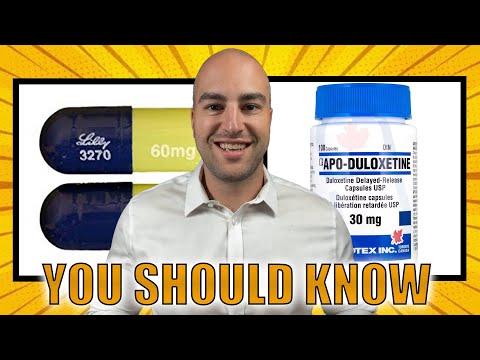
Okay, so here’s the thing. You’ve probably heard of duloxetine, right? It’s that medication that helps with depression and anxiety. But did you know it can mess with your sweat glands?
Yeah, it’s true! Some people notice they sweat more than usual, especially when feeling emotional. Ever had those moments when you’re just trying to chill, and suddenly your armpits decide to throw a party? Not fun.
Let’s chat about how this all connects. It’s not just about the medicine; it’s about our bodies reacting in wild ways. So stick around; we’re diving into this sweaty adventure together!
Understanding Duloxetine: Does It Cause Sweating and What You Need to Know
Duloxetine, you know, is one of those medications that people often turn to when they’re dealing with depression or anxiety. It’s also used for chronic pain, which is pretty interesting. But like any medication, it comes with its own bag of surprises, like the possibility of causing sweating.
So what’s the deal with sweating? When you take duloxetine, it can affect your body’s serotonin levels. Serotonin’s that chemical in your brain that helps regulate mood among other things. However, serotonin also plays a role in regulating bodily functions, including how your body sweats. This means that some folks might find themselves sweating more than usual when they start taking the medication.
Here are a few things to consider about duloxetine and sweating:
Now, if you’ve ever been in that awkward situation where you’re suddenly drenched during a meeting or on a first date? Yeah, I totally get how uncomfortable that can feel. It makes you second-guess everything – what you’re wearing or if it’s time for a new deodorant brand!
If you’re concerned about this side effect, talk to your doctor before making any changes to how you take your meds. Sometimes they may suggest adjusting your dose or switching medications altogether if the side effects are too much.
Just remember: while symptoms like these can be frustrating, they’re often manageable and not permanent. Your comfort matters more than anything else!
Exploring the Emotional Effects of Duloxetine: What You Need to Know
Duloxetine, often known by its brand name Cymbalta, is a medication that’s mainly used to treat depression and anxiety. But it does more than just help with those feelings. It’s got an interesting link to our emotional responses, specifically how we sweat when we’re feeling intense emotions. Let’s break it down a bit.
First off, duloxetine is classified as a serotonin-norepinephrine reuptake inhibitor (SNRI). That sounds fancy, but what it really means is that it helps balance certain chemicals in your brain. These chemicals are crucial for regulating mood, and when they’re out of whack, you might feel sad or anxious.
But here’s where it gets interesting: emotional sweating. You know those moments when you’re super nervous or maybe really excited? Your body reacts—your palms get sweaty, maybe your forehead too. That response is normal. However, for some people on duloxetine, this sweating can become more pronounced.
Emotional Sweating Responses
- Heightened Responses: Some folks report that their sweating can feel more intense while taking duloxetine.
- Different Triggers: It might not just happen during anxiety-inducing situations but can also occur with happy emotions.
- Impact on Daily Life: This increase in sweating can be annoying and might affect social interactions.
For example, imagine you’re at a family gathering where you’ve got some exciting news to share. Instead of just feeling butterflies in your stomach, you might notice sweat beads forming on your brow and palms as well—even if you’re thrilled! This kind of reaction can be confusing because you’re experiencing good emotions but your body’s like “Whoa! Panic mode!”
Now, the thing is—and here’s where it gets tricky—many people don’t talk about these physical reactions related to their emotional states when they’re on medications like duloxetine. Maybe it’s embarrassment or just feeling weird about it. But there’s nothing wrong with experiencing heightened emotional responses; it doesn’t mean the medication isn’t working.
Considerations While Taking Duloxetine
- Communicate: Always talk to your doctor about any side effects you notice.
- Sweating Management: There are strategies that might help manage excessive sweating if it becomes bothersome.
- Coping Mechanisms: Practicing relaxation techniques may help calm those intense responses.
In some cases, if the emotional sweating feels overwhelming or disruptive to daily life, doctors might adjust the dosage or even switch medications entirely.
In wrapping this up—like I said earlier—duloxetine plays a role beyond just balancing mood; its effects on emotional sweating can be significant for some users. Staying open about how you’re feeling and seeking support is key because mental health isn’t just about what goes on in your head—it’s all connected!
Effective Strategies to Manage Antidepressant-Induced Sweating: Tips for Relief
Managing antidepressant-induced sweating can be a bit of a hassle, especially if you’re on medication like **Duloxetine**, which is known for this side effect. You know, the thing is, while it’s helping with your mood, it might also turn you into a sweaty mess. So let’s break down some strategies for finding relief.
First off, understanding why this happens is super important. **Duloxetine** works by boosting certain chemicals in your brain that help regulate mood and anxiety. But it also affects your body’s ability to control temperature. That can lead to increased sweating, especially in those “emotional” moments or even when you’re just chillin’.
Here are some things you might wanna try if you’re dealing with this issue:
Also, don’t hesitate to chat with your doctor about what you’re experiencing. They might suggest switching medications or adjusting the dose if the side effect becomes too annoying.
I remember a friend who struggled with sweaty situations after starting antidepressants. She’d wear dark clothes everywhere because she was worried about embarrassing stains from her underarms during meetings—talk about stress! After trying some of these strategies and working with her doc to find a better fit, she finally found relief and could focus more on her work instead of worrying about steering clear of bright colors.
The key takeaway? There are definitely ways to manage antidepressant-induced sweating without giving up on medications that help improve your mental health. Just be open with your healthcare provider about what you’re going through; they might have more tricks up their sleeve!
So, you know how some days just feel heavier than others? Those days when you feel overwhelmed by emotions, and everything kinda seems too intense? Yeah, it’s a lot to handle. Well, for some folks dealing with depression or anxiety, medications like duloxetine can play a big role in lightening that load.
But here’s where it gets interesting—duloxetine isn’t just about lifting your mood. It also messes with how your body reacts to emotions, specifically with sweating. Imagine feeling really anxious or stressed out; your body kicks into fight-or-flight mode. Heart racing, palms sweaty—you feel me? That response is pretty normal in stressful situations. But for some people on duloxetine, those emotional triggers can trigger even more sweating than usual. It’s like the emotional dial gets turned up along with the physical response.
I remember chatting with a friend who started taking duloxetine after struggling for years with anxiety. She told me she felt like a whole new person after starting the meds; her mind became clearer and she was able to engage in activities she’d put off forever. But then she jokingly mentioned how she’d just be sitting there during a movie night with friends and suddenly feel like her underarms were auditioning for a water park ride! She couldn’t help but laugh about it but also admitted it was kind of awkward at times.
What’s going on here? Duloxetine is known as an SNRI (serotonin-norepinephrine reuptake inhibitor). Basically, it helps boost those feel-good chemicals in your brain but can also influence other systems in your body, including ones that control sweating. So while you’re getting happier on one hand, your body might respond by getting… well, sweatier.
It’s important to keep this all in perspective because we’re all navigating this complex landscape of mental health together. For my friend, learning about this connection helped her understand herself better and ditch any unnecessary embarrassment—it’s just part of the journey after all!
If you or someone you know is dealing with these kinds of issues while on medication like duloxetine, talking about them openly can help make sense of what’s happening. We’ve got to give ourselves grace while figuring this whole thing out because emotions—and our bodies—can be pretty weird sometimes!