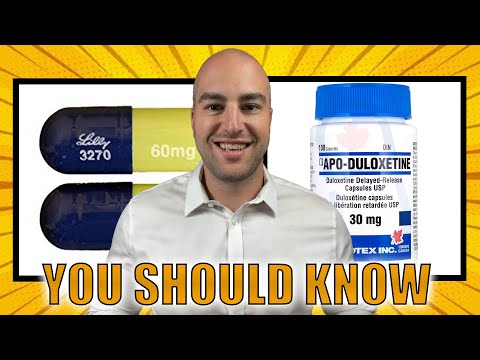
You know how sometimes life throws curveballs at you? Like, out of nowhere, everything feels heavy. That’s where medications like Duloxetine come into play. It’s one of those options people might consider when they’re feeling stuck in a mental health rut.
But wait, it’s not all sunshine and rainbows. There are benefits for sure, but also some risks to think about. I mean, it’s important to get the full picture, right?
So, let’s chat about what Duloxetine can do for you and the flip side too. Sound good?
Exploring Duloxetine: Benefits and Effects on Mental Health
Duloxetine, you might have heard it called Cymbalta. It’s a prescription medication that falls into the category of serotonin-norepinephrine reuptake inhibitors (SNRIs). Basically, that means it helps balance certain chemicals in your brain that affect mood. People usually take it for conditions like depression, anxiety, and even chronic pain.
One of the biggest **benefits** of duloxetine is its ability to treat **major depressive disorder**. Many folks report feeling a lift in their mood after starting this med. It works by increasing levels of serotonin and norepinephrine, which are two neurotransmitters associated with mood regulation. You know that feeling when you just can’t get out of bed? Duloxetine can help shift that energy.
Now, anxiety is another area where duloxetine shines. If you’ve ever felt those heavy weights on your chest or found yourself worrying about everything—like all day—this could help ease those feelings. People often mention a reduction in anxiety symptoms after using it for a while.
Another cool thing? It’s also used for **chronic pain**, especially conditions like fibromyalgia or diabetic neuropathy. So if you’re dealing with both mood issues and physical pain, this could be a double whammy solution for you! Imagine waking up one day and not feeling that nagging pain while also having more motivation—it’s pretty neat.
But it’s not all sunshine and rainbows! There are definitely **risks** associated with duloxetine as well. Like any medication, it can have side effects. Common ones include nausea, dry mouth, sleepiness, or even some weird dreams—yeah, sorry about those! Some folks may experience increased blood pressure too; that’s something to keep an eye on.
Also worth noting: stopping duloxetine suddenly isn’t really recommended because it can lead to withdrawal symptoms; think dizziness or irritability. So if you ever want to stop taking it, chatting with your doc about how to wean off safely is key!
Before jumping into this med adventure, chatting with your healthcare provider is essential. They’ll help weigh the potential benefits against any risks based on your specific situation—like other medications you’re on or conditions you might have.
So in summary:
- Duloxetine helps balance brain chemicals linked to mood.
- It’s effective for treating depression and anxiety.
- Can also relieve chronic pain.
- Watch out for potential side effects like nausea and dizziness.
- Avoid stopping abruptly; talk to your doctor!
Mental health treatment doesn’t look the same for everyone! Duloxetine might be a useful tool for some people’s journeys toward feeling better—but make sure you’ve got all the info before diving in!
Understanding the Effects of Abruptly Stopping Duloxetine: What You Need to Know
Duloxetine, often known as Cymbalta, is an antidepressant that’s frequently prescribed for conditions like depression, anxiety, and chronic pain. It’s in a class of medications called serotonin-norepinephrine reuptake inhibitors (SNRIs). Basically, these meds help balance certain chemicals in your brain to improve mood and emotional well-being. But what happens if you just stop taking it? Let’s break this down.
First off, abruptly stopping duloxetine can lead to withdrawal symptoms. It’s not uncommon for folks to experience things like dizziness, nausea, headache, fatigue, or irritability. Think about it like this: your body gets used to having duloxetine around. So when you suddenly take it away, it needs time to adjust.
Some people might also notice mood swings or anxiety creeping back in. That’s because the very reasons you started taking duloxetine—like feeling down or anxious—might come rushing back when you quit cold turkey. You might feel a bit like your emotional rollercoaster just hit a steep drop.
Another aspect worth mentioning is the time factor. Depending on how long you’ve been on duloxetine and at what dose, the effects of stopping can vary greatly. For someone who’s been on it for years versus someone who just started? They might have totally different experiences with withdrawal symptoms.
Here are some key points to keep in mind:
So imagine a friend of yours named Jamie who was on duloxetine for anxiety. Jamie felt great after starting the medication but decided one day they didn’t want to rely on pills anymore—so they stopped taking it without consulting their doctor. A few days later? Jamie was feeling super jittery and couldn’t shake off the awful tension that came back full force.
That brings us to another important point: always consult your healthcare provider before making changes. If you’re thinking about stopping duloxetine, don’t go at it alone! Your doctor can help create a tapering plan that’s tailored just for you. That way, you minimize those nasty withdrawal symptoms and find healthier ways to cope if old feelings resurface.
Also remember that while some people quit medication without any issues at all (lucky them!), others may really struggle with discontinuation syndrome—a fancy term for those withdrawal-like symptoms we talked about earlier. So if you’re feeling odd or overwhelmed after stopping duloxetine suddenly? Don’t hesitate to reach out for support!
In summary, stopping duloxetine right away isn’t usually the best call. The fallout can affect your physical health and mental state more than you’d think! Keeping those lines of communication open with your healthcare provider is key in navigating this journey safely and effectively.
Understanding Duloxetine: Common Side Effects and What You Need to Know
Duloxetine is one of those medications that often comes up in conversations about mental health. It’s used to treat depression, anxiety, and even certain types of pain. If you or someone you know is considering it, it’s good to know what you might be dealing with in terms of side effects and benefits.
First off, let’s break down what Duloxetine is. It’s a type of antidepressant known as a serotonin-norepinephrine reuptake inhibitor (SNRI). Basically, that means it helps your brain use two important chemicals—serotonin and norepinephrine—more effectively. You’d think this would be all sunshine and rainbows, but like many meds, it comes with its own set of potential side effects.
Common Side Effects:
- Nausea
- Dry mouth
- Drowsiness
- Fatigue
- Constipation
- Dizziness
- Increased sweating
So yeah, nausea can be a real bummer. It’s kind of like when you eat too much pizza and regret it for the next few hours—just not fun. But seriously, some people get through this by taking the med with food. And if you notice dry mouth kicking in? Chewing gum or sipping water can help out.
Now about drowsiness… that can really throw a wrench in your plans. Some folks report feeling super sleepy after taking Duloxetine, which isn’t ideal if you’ve got stuff to do! On the flip side, others might experience insomnia; it really varies from person to person.
Less Common Side Effects:
- Sexual dysfunction
- Elevated blood pressure
- Serotonin syndrome (rare but serious)
- Liver problems (again, rare)
You might also encounter some less common side effects like sexual dysfunction—yup, that can be a real issue for some people. It’s kind of awkward to talk about but definitely worth keeping in mind if you’re having those conversations with your doctor.
And then there’s serotonin syndrome. This one’s serious because it can happen if the medication interacts poorly with others or if you take too much. You’d see symptoms like confusion or rapid heartbeat popping up.
Moving on to something super important: always chat with your doctor about any concerns! Seriously! This isn’t just a one-and-done kind of situation; medication needs regular check-ins to make sure everything’s working as intended.
Also remember this: while Duloxetine has its risks and potential side effects, many people find it helpful for managing their mental health challenges. Have you ever felt stuck in a cloudy funk? That lift from medication can sometimes make all the difference!
In short… well, let’s just say being informed is key when considering Duloxetine or any med really! Knowing both sides—the good and the bad—helps you make better choices for yourself or your loved ones as they navigate their mental health journey.
Duloxetine, huh? It’s one of those meds that some people swear by while others are, like, “No way!” You might have heard about it being used for anxiety and depression. Seriously, though, it can be a mixed bag.
So let’s break it down. On the positive side, many folks experience a lift in their mood when they take duloxetine. It can help ease the weight of those dark clouds hovering over you. You know that feeling when everything just seems a bit clearer? That’s what some people report after starting this medication. There was this friend of mine who struggled with anxiety for years. After trying duloxetine, he said it felt like someone had turned on the lights in a really dim room. Amazing, right?
But then there are the risks and side effects to think about too. Yeah, nobody likes to talk about them, but they’re part of the deal. Some people might experience nausea or feel kinda dizzy when they start. And you may have heard about that withdrawal syndrome that can pop up if you suddenly stop taking it—definitely not fun.
And let’s not forget about how it interacts with other meds or conditions you might have—it’s important to chat with a doc about your whole situation before diving in. So I guess the bottom line is that while duloxetine has its benefits—like potentially helping to lift your spirits—it also comes with some risks that need careful consideration.
In the end, if you’re thinking about trying it or anything similar, just make sure you’re getting all the info from your health care provider first and really weigh those pros and cons together! Your mental health deserves all the thoughtfulness you can muster!