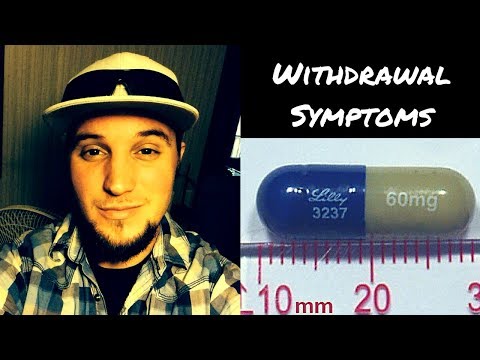
So, you’ve been on Duloxetine, huh? That’s a pretty common medication for anxiety and depression. It can be a lifesaver for lots of people. But what happens when it’s time to stop?
Yeah, that’s tricky territory. Withdrawal can hit you like a ton of bricks. You might feel all sorts of weird things: mood swings, anxiety flares, and maybe even some physical symptoms.
It’s totally normal to have questions and worries about it. Trust me, you’re not alone in this! Let’s chat about what withdrawal really feels like and how to manage those ups and downs.
Understanding the Challenges of Cymbalta Withdrawal: Why It’s So Difficult and How to Cope
Cymbalta, or duloxetine, is a medication often used for depression and anxiety. But coming off it isn’t as simple as just stopping. You might’ve heard people talk about **withdrawal symptoms**, and yeah, they can be pretty rough. So let’s dig into why Cymbalta withdrawal packs such a punch and what you can do to cope.
First off, what happens in your brain? Cymbalta alters serotonin and norepinephrine levels. These are two important chemicals that help regulate mood. When you suddenly stop taking it, your brain needs time to adjust back to its natural balance. That adjustment can lead to various symptoms like dizziness, nausea, or mood swings.
Why is it so tough? The tricky part about Cymbalta withdrawal is the timing and intensity of those symptoms. For some folks, they might show up within a day or two of stopping the medication. Others could take a week or more before feeling the effects. This unpredictability makes it hard to prepare yourself mentally.
Here’s what you might experience during withdrawal:
- Dizziness: A sensation that feels like the world is spinning.
- Nausea: It’s common to feel queasy, making it hard to eat or enjoy food.
- Anxiety: Increased feelings of anxiety can hit hard when you stop taking Cymbalta.
- Mood swings: Your emotions might feel all over the place; one minute you’re fine, the next you’re not.
And seriously? That list isn’t exhaustive. Some people report flu-like symptoms too—like chills and fatigue—as if your body is totally confused about what it’s supposed to do now that you’ve stopped.
Now let’s talk about coping with this situation because nobody wants to ride this rollercoaster alone.
Tapering off gradually is often recommended instead of just quitting cold turkey. If your doctor agrees, slowly reducing your dosage over time can give your brain more time to adjust without such shocking effects.
Stay connected with your support system! Talking about what you’re experiencing with friends or family can really lighten the load. And if things get overwhelming? Don’t hesitate to reach out to a mental health professional who understands these challenges deeply.
You could also consider trying some relaxation techniques—like mindfulness meditation or gentle yoga—to ease anxiety and help ground yourself in moments of discomfort.
Staying healthy physically plays a big role too; eating well, drinking plenty of water, and getting enough sleep aren’t just basic self-care moves—they’re essential during this tough time!
It’s important to remember that withdrawal from Cymbalta doesn’t last forever. While it may feel overwhelming right now, many people come through on the other side feeling stronger and more informed about their mental health journey. If you’re feeling lost or scared during this process? You’re not alone—lots of folks have navigated through similar waters successfully.
So hang tight! With support and some practical strategies in place, there’s light at the end of this tunnel!
Understanding the Weaning Process: How Long Does It Take to Safely Discontinue Duloxetine?
The weaning process off duloxetine, which is often prescribed for anxiety and depression, can feel pretty daunting. You might have heard from friends or read stories online about how tough it can be. The thing is, everyone’s journey is a bit different, and a lot can depend on your situation. Let’s break this down so it’s a bit clearer.
First off, **duloxetine withdrawal symptoms** can arise when you stop taking the medication too quickly. These symptoms may include dizziness, irritability, fatigue, and flu-like symptoms. So, it’s really important to ease off gradually rather than just stopping cold turkey.
When it comes to how long the weaning process takes, there’s no one-size-fits-all answer. Generally speaking though:
- Initial Dosage: If you’ve been on a lower dose (like 30 mg), you might start feeling okay after a couple of weeks.
- Standard Dosage: For those at higher doses (like 60 mg or more), it could take up to several months to fully adjust.
- Individual Factors: Your overall health and even how long you’ve been on duloxetine play a role.
You know how sometimes things just don’t click right away? That’s kind of what happens when you’re adjusting to life without duloxetine. Some people find they need to taper down their dosage in smaller increments; for example, instead of dropping from 60 mg to 30 mg all at once, they might go down in steps like 60 mg to 45 mg first before going further down.
Here’s an example: Imagine Sarah who was on 60 mg of duloxetine for years. She started reducing her dose by 10 mg every couple of weeks under her doctor’s watchful eye. It took her about three months before she felt pretty stable without the medication.
But hey—everyone reacts differently! Some folks might feel better quicker while others may need longer because withdrawal symptoms can vary based on body chemistry and other medications being taken as well.
Also important to mention is that **communication with your healthcare provider** is key during this time. They know your medical history and can help guide you through this process safely. Don’t hesitate to reach out if you’re feeling overwhelmed.
Lastly, surround yourself with support! Whether it’s friends or family who understand what you’re going through or even therapy groups online—having people who get it can make things feel less isolating.
In summary, the weaning process from duloxetine isn’t quite a sprint; more like a marathon where patience is important! Just go slow and keep an open line of communication with your healthcare provider as you figure out what works best for you.
Top 5 Most Challenging Prescription Drugs to Withdraw From: A Comprehensive Guide
Withdrawal from certain prescription drugs can feel like climbing a mountain without any gear. Seriously, it can be tough. One drug that often comes into conversation around withdrawal challenges is **Duloxetine**, a medication used for depression and anxiety. So, what’s the deal with Duloxetine withdrawal? Let’s break it down.
First off, if you’ve been taking Duloxetine, you might have noticed some changes in yourself when trying to stop. You’re not alone in feeling this way. Many people face **withdrawal symptoms** because this medication affects serotonin and norepinephrine levels in the brain, which are super important for mood regulation.
When you’re thinking about stopping Duloxetine, it’s crucial to talk with your doctor first. They might recommend a gradual tapering process instead of just going cold turkey—trust me, this can make a big difference.
Common Withdrawal Symptoms:
- Flu-like symptoms: You could feel achy or fatigued.
- Mood swings: Imagine one minute you’re okay and the next you’re upset.
- Anxiety spikes: It’s like being on an emotional rollercoaster.
- Brain zaps: These are weird sensations that can feel like electrical jolts.
These symptoms happen because your brain is getting used to functioning without the drug. It’s kind of like pulling out a puzzle piece and finding out the whole picture looks different without it.
Now let’s talk about how long these symptoms last. For some people, they may begin within a few days after stopping and can persist for weeks or even months, depending on individual factors like dosage and duration of use. The key here is patience—you might need time for your body to adjust again.
Support Systems Are Key:
Look, it’s not easy to navigate these waters alone. Connecting with friends or support groups can really help. Many have been through similar situations and can shed light on their experiences—you’ll feel less isolated.
For those considering Duloxetine or facing withdrawal struggles, keep in mind there’s no one-size-fits-all solution out there. Each person’s experience will differ significantly based on their unique circumstances and mental health needs.
So when dealing with Duloxetine withdrawal—or honestly any withdrawal—it’s smart to stay informed but also gentle with yourself during the process. It takes time to heal; don’t rush your journey!
So, let’s chat about Duloxetine withdrawal. If you’ve been on this medication, you might know it as Cymbalta. It’s often prescribed for things like depression, anxiety, or pain relief. But what happens when you decide to stop taking it? Well, that’s where things can get a little tricky.
I remember a friend of mine who decided to come off Duloxetine after being on it for a couple of years. She thought she was ready, feeling pretty good mentally and thinking she could handle life without it. But boy, were things not as easy as she thought! Within days, she started feeling these weird brain zaps—like electric shocks in her head—and that fuzzy feeling where everything seems off. Seriously unsettling stuff.
Withdrawal isn’t just a physical thing; it’s emotional too. My friend felt really anxious again, and her mood swings hit harder than before. You see, when you’ve been relying on a medication to help balance your brain chemistry for so long, stopping suddenly can feel like pulling the rug out from under your feet. It’s not just about the pills; it’s about how they affect your everyday life.
Navigating this process can feel overwhelming. You might find yourself grappling with nausea or irritability or even those shock-like symptoms I mentioned earlier—it can really take a toll on you. And honestly? The mental health piece often gets overshadowed by the physical symptoms but is just as important.
If you’re thinking about stopping Duloxetine or any other similar meds, it’s smart to chat with your doctor first. They often suggest tapering off slowly to help ease those withdrawal symptoms and make the whole experience more manageable.
It’s okay to seek support too! Whether it’s leaning on friends or looking for counseling during this transition period, connection is key. You don’t have to go through this alone; many people have been there and come out stronger on the other side.
In the end, navigating these mental health challenges takes time and patience with yourself—you’ve got to give yourself grace while figuring things out! Whether you’re dealing with withdrawal symptoms or managing long-term emotional changes, remember it’s all part of finding what works best for you in this wild journey called life.