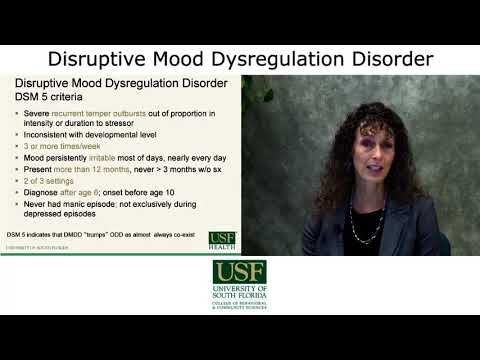
You know those days when your feelings are all over the place? One minute you’re on top of the world, and the next, it feels like everything’s crashing down. Yeah, that’s what we call dysregulated mood.
It’s not just a fancy term—it’s a struggle many people face. Like, what do you even do with emotions that swing like a pendulum?
I remember talking to a friend once who said it felt like riding a rollercoaster he never signed up for. Thrilling at first but then just exhausting and confusing.
So, let’s chat about what this means for your mental health and how to find some balance in that wild ride of feelings. Ready? Let’s dig in!
Effective Strategies for Treating Mood Dysregulation: A Comprehensive Guide
Mood dysregulation can be a real pain, right? It’s like riding an emotional rollercoaster that you never wanted to get on. But don’t worry! There are ways to tackle it. Let’s break it down into some effective strategies that can help smooth things out a little.
Understanding Mood Dysregulation
First off, mood dysregulation isn’t just about feeling sad or grumpy. It’s more about having your emotions jump all over the place—sometimes feeling super happy and other times just crashing down. This constant shifting can affect your relationships and even how you see yourself.
Therapy Approaches
One of the most effective treatments is therapy. Different types work, but some popular ones include:
- Cognitive Behavioral Therapy (CBT): This helps you identify and change negative thought patterns that mess with your mood.
- Dialectical Behavior Therapy (DBT): Great for teaching emotion regulation skills and mindfulness. It seriously helps when emotions feel overwhelming.
- Interpersonal Therapy (IPT): Focuses on improving your relationships and communication skills, which can stabilize your mood.
Think of therapy as having a guide who helps you navigate those rocky emotional waters.
Mindfulness and Relaxation Techniques
Another solid approach is practicing mindfulness. It’s all about being in the moment without judgment. Simple activities like deep breathing or meditation can make an enormous difference when you’re feeling wound up.
When I was dealing with my own ups and downs, I started taking five minutes each day just to breathe deeply and focus on what I felt in my body. It honestly helped calm the storm inside.
Lifestyle Changes
Also, don’t underestimate lifestyle changes! Regular exercise boosts endorphins—those happy hormones—and can lift your mood significantly. Eating balanced meals is key too; think veggies, whole grains, lean proteins, and plenty of water!
And sleep? Well, getting enough sleep really sets the stage for emotional stability! Lack of sleep can turn even the sunniest person’s mood gray.
Medication Options
Sometimes medication might come into play if things feel really tough to handle alone. Antidepressants or mood stabilizers could help you find balance again—just make sure to discuss this option with a healthcare provider who gets it.
But remember: medication isn’t magic; it works best alongside therapy or lifestyle changes.
Support Networks
Let’s not forget the power of connection! Surrounding yourself with understanding friends or family members makes navigating tough times way easier. Support groups also offer a safe space where you’re not alone in this journey.
If you’ve ever tried talking to someone who gets it, then you’ve felt that weight lift a little bit.
Tracking Your Mood
Keeping track of how you feel through journaling or using apps can provide insight into triggers that mess with your mood too. Patterns might surprise you! Once you know what sends you spiraling, it’s easier to work through those feelings before they escalate.
In short, managing mood dysregulation involves combining various strategies tailored to what feels right for you. Whether it’s therapy sessions, practicing mindfulness techniques, or making lifestyle adjustments—there’s a path out there for everyone trying to tame their emotional rollercoaster!
Mastering Emotional Balance: Effective Strategies for Managing Dysregulated Emotions
So, let’s talk about emotional balance, yeah? It’s like the ultimate goal for anyone dealing with dysregulated emotions. You know, that feeling when your mood swings like a pendulum? One minute you’re on top of the world, and the next you’re in a pit of despair. It can be super overwhelming.
First off, let’s get real about dysregulation. Dysregulated emotions refer to having intense feelings that are hard to control. You might feel things more deeply than others or struggle with processing your emotions in a healthy way. And that can really mess with your life—work, relationships, everything.
So what can you do? Here are some strategies that can help you manage those emotional roller coasters:
- Mindfulness: This is all about staying present. When your mind races or your heart starts pounding, take a moment to breathe deeply and focus on what’s happening right now. Seriously, it works wonders!
- Journaling: Write it all down! Sometimes just putting pen to paper helps you sort through chaotic thoughts and feelings.
- Grounding techniques: These are cool methods to help bring yourself back to reality when emotions swell up. For instance, try identifying five things you can see right now or reciting the alphabet backward!
- Physical activity: Whether it’s a brisk walk or hitting the gym, moving your body helps release those feel-good hormones—serotonin and dopamine—which can seriously improve your mood.
- Talk it out: Find someone who gets it—a friend or therapist—to chat about how you’re feeling. Sometimes just voicing what’s going on inside makes it feel less heavy.
- Healthy boundaries: It’s totally okay to say no when things get too much. Protecting your time and energy helps keep emotional stress at bay.
- Sleeplessness : Never underestimate good sleep! Lack of sleep clouds judgment and makes managing feelings way harder.
Let me share a quick story: I once had a friend who would go from zero to sixty in seconds—one minute laughing so hard at a joke, and the next shedding tears over something small. They started journaling daily and practicing mindfulness exercises when they felt overwhelmed. Over time? Their emotional swings became less extreme and easier to handle.
The cool thing about mastering emotional balance is it takes practice! Kind of like learning an instrument—you won’t play perfectly overnight but you’ll get there by trying consistently.
You know what else helps? Understanding triggers. Maybe certain situations trigger intense anxiety or anger for you. Recognizing these can empower you to prepare for them better—or avoid them altogether if possible!
If ever it feels too much? That’s totally okay! Reaching out for professional support is just as important as trying these strategies yourself. Don’t hesitate; therapists are there because they care—seriously!
The journey toward emotional balance isn’t always smooth sailing, but every little step counts. So keep working at it—you’ve got this!
Understanding Emotional Dysregulation: Its Impact on Mental Health and Well-Being
Emotional dysregulation is a term you might hear thrown around in conversations about mental health. But what does it really mean? Basically, it’s about struggling to control your emotions. Some people feel like they’re on an emotional rollercoaster—one minute they’re up, and the next they’re down, and it can leave you feeling pretty drained.
You see, emotional dysregulation can seriously impact your everyday life. It might look like getting overly angry at small issues or feeling sad for longer than what seems reasonable. Imagine having a bad day, and instead of just being bummed out, you’re spiraling for days. That’s what I’m talking about.
So why does this happen? Well, emotional regulation isn’t something we’re all born knowing how to do perfectly. Factors like trauma, stress, or even just growing up in a chaotic environment can play a huge part in this struggle. Think about someone who experienced severe loss as a child—those feelings can stick with you and affect how you deal with emotions later on.
In terms of mental health impacts, emotional dysregulation is linked to various conditions like anxiety and depression. It’s hard to feel good when your emotions are all over the place! People may sometimes use unhealthy coping strategies—like substance abuse or withdrawing from social situations—to manage those big feelings.
Now let’s break down some important aspects of emotional dysregulation:
- Difficulty Identifying Emotions: Ever had trouble pinpointing what you’re actually feeling? That can lead to confusion and frustration.
- Intense Reactions: You know those moments when someone cuts you off in traffic and it feels like the end of the world? That’s often a sign of blown-out-of-proportion emotional responses.
- Poor Impulse Control: Acting on emotions without thinking them through can lead to regrets later on—like sending that text you wished you hadn’t.
- Interpersonal Problems: Struggles with managing feelings often create tension in relationships because those around you might not understand what’s going on.
Now let’s chat about how it impacts well-being. Emotional dysregulation can really affect your daily life—it makes it harder to connect with others or handle stress effectively. You might find yourself isolating from friends because it’s just too much work to explain what you’re feeling.
Having tools for managing these emotions is super important! Therapy works wonders here; techniques like Cognitive Behavioral Therapy (CBT) help reframe those thoughts that lead to overwhelming feelings. Sometimes medication might also be suggested if things get too tough.
Picture someone sitting in therapy saying they felt nothing but anger after getting an email at work—being able to explore where that anger comes from is crucial. Maybe there are unresolved issues lurking under the surface that need addressing.
But don’t lose hope! Learning skills for better emotion management takes time and practice but it’s totally doable! Just remember: experiencing emotional dysregulation doesn’t define who you are; it’s just part of your journey through mental health. You’re not alone in facing these challenges—it happens more than you’d think!
You know, navigating life with a dysregulated mood can feel like being on a rollercoaster that never really stops. One minute you’re up, feeling invincible, and the next minute, bam! You’re down in the depths of despair or anxiety. It’s not just tiring; it can mess with just about everything—your relationships, work, and even your sense of self.
I remember chatting with a friend who has struggled with mood swings for years. One day, she excitedly told me about this project at work that was going great. She seemed so alive and animated. But then a couple of days later, I got a text from her saying she couldn’t get out of bed and felt worthless. It was heartbreaking to see how quickly things could turn.
So, what is dysregulated mood anyway? The short answer is it’s when your emotional responses are inconsistent or extreme. Maybe you’ve heard terms like bipolar disorder or cyclothymia tossed around; they all fall under this umbrella in different ways. Sometimes you might feel annoyed by the little things—like when someone cuts you off in traffic—but it can escalate into full-blown rage that feels out of proportion.
Coping with these intense feelings is key. For some people, therapy helps to unpack emotions and learn healthier coping mechanisms. Cognitive-behavioral therapy (CBT), for instance, can be pretty effective because it teaches you to recognize negative thought patterns and change them before they spiral into something bigger.
Then there are other strategies too—like mindfulness or meditation—which help ground you when moods start to sway wildly. Just taking a moment to breathe deeply or tune into the present can make all the difference on tough days.
But here’s the thing: It also requires patience from ourselves and from those close to us because it’s not always easy to understand what someone else is feeling—especially if that someone is yourself! There are good days and bad days; sometimes it feels like two steps forward and one step back.
In the end, reaching out for support is crucial. Whether it’s friends who listen without judgment or professionals who get the intricacies of mood disorders—it matters more than you realize. You’re not alone in this journey even if it might sometimes feel like you are adrift at sea.
Dealing with dysregulated mood isn’t just about managing symptoms; it’s about finding ways to understand yourself better and creating some stability in what can feel like chaos. So maybe embrace those ups and downs as part of your unique journey—after all, they play a role in shaping who you are!