So, let’s talk about mood swings. You know, those days when you feel like you’re riding a rollercoaster? One minute you’re on top of the world, and the next, it’s like everything’s crashing down. That’s kind of what dysregulated mood disorder is all about.
It can be super confusing, right? I mean, one moment you’re flying high—everything’s great! And then suddenly, bam! You’re in a pit, feeling low and overwhelmed. It messes with your head and your relationships.
And it’s not just about having bad days; it can really throw off your daily life. If you’ve ever felt like you’re at the mercy of your emotions, hang tight. We’re gonna dig into this together!
Comprehensive Guide to Effective Treatment Plans for Disruptive Mood Dysregulation Disorder (DMDD) – Downloadable PDF
Disruptive Mood Dysregulation Disorder, or DMDD, can be pretty tough to navigate. It mostly shows up in children and teens as intense, frequent temper outbursts that are out of proportion to the situation. So, if you or someone you know is dealing with this diagnosis, it’s crucial to look at effective treatment plans.
Understanding DMDD is half the battle. The core symptoms include severe irritability and mood swings that lead to explosive behavior. These kids often feel like they’re on an emotional rollercoaster, which can really take a toll on their daily lives and relationships.
Creating a Treatment Plan for DMDD isn’t just about managing symptoms; it’s about helping the child thrive. Here are some key approaches:
- Therapy: Cognitive Behavioral Therapy (CBT) is often used here. It helps kids recognize their feelings and develop coping strategies. Imagine a 10-year-old learning that they can take deep breaths instead of screaming when they’re upset—that’s powerful!
- Medication: Sometimes, doctors prescribe medications like mood stabilizers or antidepressants. While these can help manage severe symptoms, they’re not the first line of defense.
- Parental Training: Parents need tools too! Programs that help them learn how to manage their child’s behavior effectively are super important because it improves family dynamics.
- School Support: Working with teachers is key! A supportive school environment can make all the difference—like creating an IEP (Individualized Education Program) tailored to the child’s needs.
- Mood Monitoring: Keeping track of moods or triggers through journals can be eye-opening for both kids and parents. Recognizing patterns helps everyone stay ahead of potential meltdowns.
Now let’s take a step back for a sec. Dealing with DMDD can be exhausting—not just for the kid but for parents too. You might feel overwhelmed by constant worry about outbursts in public or at home. It’s totally valid to feel that way!
One mom I spoke with shared how she felt like she was walking on eggshells around her son. She had nights where she’d lie awake wondering if tomorrow would bring another fight over something small like screen time or homework! But through therapy and support groups, she learned valuable skills not just for her son but also for herself.
Making Changes Takes Time. There’s no magic wand here—it’s usually a process of trial and error to find what works best for each individual kiddo.
Sometimes it may seem hopeless, but with a solid treatment plan in place—including therapy, medication when necessary, parental involvement, supportive schools, and emotional tracking—you start seeing light at the end of the tunnel.
At its core? Support is everything! Involving everyone—parents, teachers, therapists—creates an environment where your child feels understood rather than judged.
So if you’re feeling lost navigating this whole DMDD thing? You’re definitely not alone—and seeking support from professionals who understand is always a great step forward!
Understanding Mood Dysregulation Disorder in Adults: Signs, Causes, and Coping Strategies
Mood Dysregulation Disorder in adults can be a bit tricky to grasp, you know? It’s not as mainstream as depression or anxiety, but it’s real and affects many people. Basically, it’s about having intense emotions that feel all over the place. Sometimes you’re on top of the world, and other times you feel like you’re in a deep pit. It can create a lot of confusion in daily life.
Signs of this disorder may include:
- Intense mood swings that last for hours or even days.
- Extreme irritability or anger that seems out of proportion to the situation.
- Difficulty calming down after being upset.
- Feeling overwhelmed by emotions for no clear reason.
You might be sitting at work, and someone accidentally bumps into your chair, leading to an overwhelming rage reaction. It’s like your brain hits the panic button when it really doesn’t need to. You know what I mean? Those moments can wreck relationships and make daily life pretty tough.
causes:
- Genetics: If mood disorders run in your family, there’s a chance you might experience something similar.
- Brain chemistry: Imbalances in neurotransmitters (those chemical messengers) can mess with how we regulate our moods.
- Lifelong stress: Ongoing stressors—like job pressures or relationship issues—can trigger mood dysregulation over time.
Let’s dig deeper into that last point for a second. Imagine dealing with workplace drama every day while juggling personal stuff too. Your emotional reservoir gets drained fast! It’s no wonder some folks snap more easily when they’re already stressed out to the max.
Coping strategies are essential here because dealing with dysregulated moods isn’t just about understanding; it’s also about taking action. Here are some ways to help manage those chaotic feelings:
- Acknowledge your feelings: Instead of brushing them off, recognize when you’re feeling off-kilter and try to pinpoint why.
- Meditation and mindfulness: These practices can help calm the mind and ground you during those emotional storms.
- Create a support system: Having friends or family who understand what you’re going through can make all the difference!
If you’re feeling lost in the chaos, talking to a therapist could also be beneficial. They can help unpack what you’re going through and teach you more personalized coping techniques. You don’t have to navigate this alone!
The thing is, Mood Dysregulation Disorder is complex but manageable with awareness and proactive strategies. Life doesn’t have to feel like an emotional rollercoaster every day. With support and self-care, you can learn how to ride those waves instead of getting knocked down by them!
Understanding Disruptive Mood Dysregulation Disorder: Key Symptoms to Watch For
Disruptive Mood Dysregulation Disorder, often just called DMDD, is a relatively new kid on the block in terms of mental health diagnoses. It mostly pops up in kids and teens, but understanding it really helps adults too, especially parents and caregivers. So let’s break it down, alright?
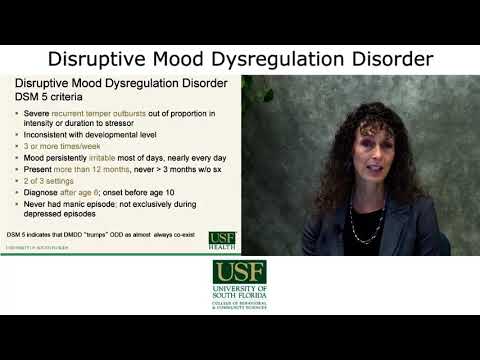
First off, what is DMDD? It’s basically a mood disorder that shows up as severe temper outbursts. We’re talking explosions of anger or irritability that don’t match the situation. Imagine a kid having a meltdown over a missed snack or something minor; it’s not just typical fussiness.
- Intense Outbursts: These can be verbal or physical. It might look like screaming, throwing things, or even hurting themselves or others. And they’re often out of proportion to whatever triggered them.
- Persistent Irritability: Between those outbursts, the child might seem constantly cranky or moody for most of the day. Like there’s this dark cloud hovering over their head that just won’t lift.
- Ages Matter: For DMDD to be diagnosed, symptoms typically show up before age 10 and can’t be diagnosed in kids under six. The thing is, you can’t just call any bad behavior DMDD; it’s really about how extreme those feelings are and how long they last.
- Timeframe: To even consider this diagnosis, these symptoms have to stick around for at least 12 months. They’re not just having an off week; we’re talking ongoing problems.
- Context Counts: These behaviors have to be noticeable in more than one setting—like at home and school—because if it only happens at home during family gatherings? That could point to other issues.
You know how sometimes kids just need a little tough love? Well, with DMDD, it often feels like nothing works. Parents may find themselves completely worn out from trying to manage these massive reactions. That can create tension at home.
But here’s where it gets tricky: DMDD can easily overlap with other conditions like ADHD or anxiety disorders. This makes proper diagnosis super important because the treatment plans differ significantly.
Treatment options
Navigating the ups and downs of a dysregulated mood disorder can feel a bit like riding a roller coaster, you know? One minute, you’re soaring high, feeling invincible, and then out of nowhere, you’re in a deep drop. It’s exhausting. For those who don’t experience it, it might be tough to grasp just how unpredictable and overwhelming it can be.
I remember a friend of mine who struggled with this. There were days when she was the life of the party—her laughter was contagious. But then there were dark days too. She would isolate herself for a few weeks at a time, lost in her head and unable to reach out. It’s heartbreaking to watch someone you care about go through such intense emotional swings.
So what’s really going on here? Well, dysregulated mood disorder often means that your emotional reactions are kinda like a light switch stuck on «flickering.» You might feel elation one moment and despair the next with little warning. It’s not just having bad days; it’s like living in a constant state of emotional turbulence.
Communication is key in these moments. Talking to friends or family about what you’re feeling can help ground you. But here’s the kicker—sometimes people don’t understand or say things that feel dismissive, like “Just cheer up!” That’s super frustrating! It doesn’t ease that heavy weight on your chest or make things easier.
Therapy can be an incredible ally too. Finding someone who gets it—a therapist or counselor—can be such a relief. They can help you learn how to manage moods better and develop coping strategies that really resonate with you personally.
And hey, medications might come into play as well for some folks. They aren’t one-size-fits-all but can sometimes provide just enough stabilization to make navigating daily life less daunting.
In the end, understanding your own patterns is essential too. Journaling your feelings or using mindfulness techniques have helped many folks gain clarity on their emotions and triggers over time.
It’s all about finding what works for you and really leaning into it—even when it feels messy or complicated. Remembering you’re not alone in this struggle can also bring some comfort amidst the chaos. So here’s to taking one small step at a time—it might not always be easy, but it’s definitely worth it!