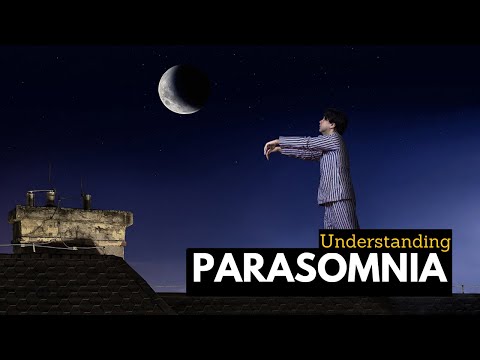
You know how sometimes sleep feels more like a puzzle than a peaceful escape? Yeah, that’s what we’re talking about today. Dyssomnia and parasomnia aren’t just fancy words; they’re real struggles for a lot of folks.
Imagine tossing and turning all night, staring at the ceiling while your mind races. Or waking up in strange places without remembering how you got there. Yikes, right?
But here’s the thing: these sleep issues are super common, and they really mess with your mental health. So let’s unpack this together and see what’s going on behind those sleepless nights.
Effective Strategies for Managing and Reducing Parasomnia Symptoms
So, let’s talk about parasomnia for a second. You know, those sleep disorders that make you do weird stuff while you’re snoozing? Like sleepwalking, talking in your sleep, or even having intense nightmares. It’s not just strange; it can seriously mess with your life. If you’re dealing with this or know someone who is, I’ve got some strategies that could help.
1. Maintain a Sleep Schedule
The first thing you wanna do is keep a regular sleep schedule. Go to bed and wake up at the same time every day. Sounds simple, right? But it can make a huge difference. Your body loves routine and having that set time helps regulate your internal clock.
2. Create a Comfortable Sleep Environment
Your bedroom should be cozy and calming. Think about the temperature—cool is usually better—darkness, and noise levels. Sometimes white noise machines or earplugs can help drown out distracting sounds. It’s like creating your own personal sleep haven.
3. Limit Stimulants
This one’s kind of a no-brainer but worth mentioning: stay away from caffeine and nicotine, especially in the hours leading up to bedtime. Those little stimulants can keep you awake longer than you’d like—and trust me, they don’t do anything good for your sleep quality either.
4. Wind Down Before Bed
Find a routine that helps you chill out before hitting the sack. Maybe read a book, meditate, or take a warm bath—whatever suits you! Just avoid screens; the blue light from them can confuse your brain into thinking it’s still daytime.
5. Practice Relaxation Techniques
Ever heard of progressive muscle relaxation? It’s where you tense and then relax different muscle groups in your body to ease stress away! That kind of stuff might help reduce overall anxiety levels too—leading to better sleep.
6. Keep a Sleep Diary
This might sound nerdy but keeping track of your sleep patterns can be super helpful for understanding what triggers parasomnia episodes. Write down when you go to bed, when you wake up, any episodes during the night—this info could come in handy for talking to professionals later on.
7. Seek Professional Help
If these strategies aren’t cutting it and you’re still struggling with symptoms, don’t hesitate to reach out to a healthcare provider or therapist specialized in sleep disorders. They might suggest therapies or even medications if needed—it’s all about finding what works best for you!
You see? Managing parasomnia isn’t always easy but with these effective strategies under your belt, you’re taking great steps toward better nights—and maybe even less weirdness when it comes to sleeping! So try some of these ideas out and see how they work for ya.
Understanding Parasomnia: Is It a Mental Illness or a Sleep Disorder?
Alright, let’s chat about parasomnia. It’s that weird stuff that can happen while you’re snoozing, and it can be a bit puzzling. Think of it like your brain throwing a party while your body is trying to rest. So, is it a mental illness or just one of those sleep disorders? Well, let’s break it down.
Parasomnia includes a range of behaviors that disrupt sleep. This can be anything from sleepwalking and night terrors to more unusual cases like talking in your sleep or even acting out dreams. Ever had that moment where you wake up suddenly and realize you’ve been chatting away? Yup, that’s one of the things that can happen!
The main thing here is understanding the difference between parasomnia and other sleep disorders like dyssomnia. Dyssomnia covers issues with falling asleep or staying asleep—like insomnia, you know? That’s more about the quantity and quality of sleep. On the other hand, parasomnias are about what happens during sleep.
- Sleepwalking: This might sound familiar. You’re fast asleep but up and wandering around without realizing it. There was this time my friend walked into the kitchen in her PJs and started making toast! She had no clue until she woke up.
- Night Terrors: These can be pretty intense. It’s when someone wakes up feeling terrified but can’t remember why afterward.
- REM Sleep Behavior Disorder: Here’s where things get wild. People acting out their dreams might punch their partner or kick off sheets in their sleep without knowing it!
You see, while parasomnias are considered sleep disorders, they can sometimes have links to mental health issues too. Anxiety or stress can trigger these odd behaviors while we’re sleeping. So there’s this fine line between mental health impacts and actual physical conditions affecting sleep.
If you’re wondering if parasomnia counts as a mental illness: not exactly! It doesn’t fit neatly into that box since it’s more about what happens during your z’s than how you think or feel when you’re awake.
This stuff is important because if someone has frequent episodes of parasomnia, it might mess with their daily life—causing fatigue or anxiety over sleeping situations! If you’re experiencing something like this, talking to a sleep specialist or therapist might help clear things up.
The takeaway here is simple: Parasomnia shakes things up during your sleep cycle but isn’t necessarily categorized as a mental illness on its own—more like an interesting twist on how our bodies respond to stressors in life!
Understanding Parasomnia: Is It Dangerous for Your Mental Health?
Parasomnia might sound a bit mysterious, but it’s really just a fancy term for unwanted or unusual behaviors during sleep. You know those moments when you’re jolted awake and realize you were talking, walking, or doing something totally out of the ordinary? That’s parasomnia in action. And yes, it can have some pretty interesting effects on your mental health.
What Is Parasomnia?
Basically, parasomnia is when stuff happens while you’re snoozing that shouldn’t. This includes things like sleepwalking, night terrors, or even acting out dreams—a condition called REM Sleep Behavior Disorder. It’s like your mind is still running the show while your body’s taking a break.
Now let’s not sugarcoat it: parasomnia can be dangerous. Imagine waking up in the middle of a sleepwalk and tripping over a chair. Ouch! These incidents can lead to physical injuries. But there’s more—it can also mess with your head.
Mental Health Connection
Here’s where it gets interesting. Studies have shown that people with parasomnias often also deal with anxiety, depression, or other mental health conditions. It’s kind of like they’re intertwined; one can stir the pot for another. For example, if you’re already feeling anxious during the day, those feelings might spill over into your nighttime escapades.
But wait, there’s more! If you’re regularly having night terrors or sleepwalking episodes, that could lead to sleep deprivation. You need solid ZZZs to function well mentally. When you don’t get enough quality sleep, that’s where things like mood swings and irritability creep in. It might even contribute to long-term mental health issues if it goes unchecked.
Managing Parasomnia
So what do you do if you think you’ve got this going on? First off, don’t panic—there are ways to address these nighttime shenanigans. Keeping a regular sleep schedule can help set those rhythms right again. Creating a calming bedtime routine is also key; think soft music or no screens before bed.
You might also want to talk to someone about it—like a doctor or therapist who specializes in sleep disorders! They could recommend things like cognitive-behavioral therapy for insomnia (CBT-I) which helps tackle those pesky thoughts keeping you up at night.
In summary: Parasomnia isn’t just harmless quirky behavior. It can have serious implications for both your physical safety and mental health if not taken seriously. So paying attention to what happens while you’re getting your beauty sleep isn’t just wise; it’s crucial for overall well-being! If you’ve noticed these signs in yourself or someone else, take steps to figure things out together because better nights equal better days ahead.
Okay, let’s talk about something that doesn’t get enough airtime—dyssomnia and parasomnia. If those terms sound like they belong in some boring textbook, just know they touch on issues that can seriously mess with your sleep and, by extension, your mental health. So yeah, let’s break it down a bit.
Dyssomnia refers to trouble getting the right amount of sleep or having a good quality sleep. It could be insomnia—when you just can’t fall asleep or stay asleep—or hypersomnia—where you feel like you’re constantly fighting the urge to snooze all day. This stuff can leave you feeling drained and cranky, right? Like when my friend Sam was juggling work stress while battling insomnia for weeks. He’d drag himself into the office looking like a zombie. You could just see how it affected his mood and focus; it’s wild how much sleep—or lack thereof—can mess with our heads.
Now, on to parasomnia—which is sort of an umbrella term for strange things happening while you sleep—think sleepwalking, night terrors, or even talking in your sleep. Imagine waking up in a panic because you thought there were spiders crawling all over you (yep! That’s a fun one). It’s not just weird; it’s also deeply unsettling. I once had a roommate who would sit up in bed and start chatting away in gibberish at 3 AM! It was hilarious—and kinda scary—to witness that firsthand.
Both dyssomnia and parasomnia can really intertwine with mental health issues. Lack of solid rest can make anxiety worse or deepen depression—you know how everything feels heavier when you’re tired? And those funky nighttime behaviors? They can turn small worries into monster-sized thoughts during the day.
It gets complicated when people don’t connect their sleepless nights with what’s going on mentally. If you’re feeling anxious or stressed during the day but then can’t wind down at night, it’s like being stuck in a cycle that just keeps repeating itself. Addressing these sleeping issues is so vital for overall well-being.
Finding solutions isn’t always simple either. Sometimes therapy helps unravel what’s keeping you up at night or triggering those odd sleep behaviors—like learning some cool relaxation techniques or uncovering underlying fears. And sometimes medication might come into play too if necessary—but that’s not everyone’s cup of tea.
Anyway, navigating dyssomnia and parasomnia isn’t just about counting sheep but understanding how they relate to your mental state overall. Your mind deserves some peace during those nightly hours just as much as it does during waking life!