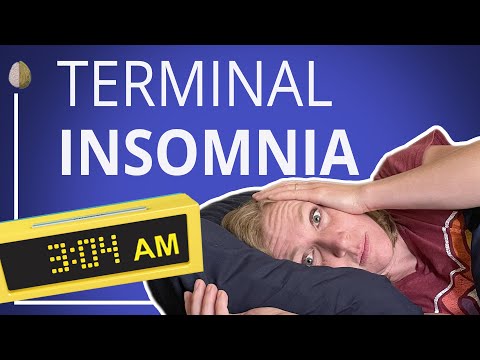
You know those nights when you just can’t seem to drift off? It’s like your brain’s throwing a party, and you weren’t even invited.
Seriously, tossing and turning while the clock ticks away is no fun at all. And it can really mess with your mood the next day.
That’s what early morning insomnia feels like—like waking up too early and then staring at the ceiling, wondering why you’re awake when everyone else is still snoozing.
It can sneak up on you, too. One minute you’re fine, and the next you’re feeling anxious or sad before your day even starts.
Let’s chat about those silent struggles that come with those restless nights and how they play into our mental health. Sound good?
Effective Strategies for Diabetics to Overcome Insomnia: Tips for Better Sleep
Insomnia can be a real pain, especially when you’re also managing diabetes. Seriously, early morning insomnia can mess with your mood, energy, and even your blood sugar levels. So, if you’re dealing with the silent struggle of sleepless nights, let’s talk about some effective strategies to help you catch those z’s.
First off, it’s all about routines. Consistency is key. Try to go to bed and wake up at the same time every day. This helps regulate your body’s internal clock. For instance, if you usually hit the hay around 10 p.m., stick to it—even on weekends! It might feel tough at first, but your body will thank you later.
Next up is creating a peaceful sleep environment. Think about your bedroom—is it dark and cool? You might want to invest in blackout curtains or a white noise machine if outside sounds bug you. Also, keep those screens away from bedtime! The blue light emitted by phones and tablets can trick your brain into thinking it’s daytime.
Nutrition plays a huge role too. What you eat affects your sleep. Try not to consume big meals or heavy snacks right before bed; instead, opt for a light snack that includes protein or healthy carbs—like Greek yogurt or a small piece of fruit. And hey, keep an eye on caffeine intake during the day; too much can lead you tossing and turning when it’s time to snooze.
Speaking of diabetes management, monitoring your blood sugar levels is crucial for maintaining good sleep quality. If your blood sugar dips too low during the night or spikes just before bed, that can definitely cause restless nights. Keep track of what works for you in terms of meal timing and snacks so you’re not waking up feeling shaky or uncomfortable.
Another strategy involves relaxation techniques before bed. You could try mindfulness meditation or gentle stretching—both help calm the mind and release tension in the body. Sometimes I like to sit quietly with my eyes closed for five minutes while focusing on my breathing; it’s surprising how peaceful that can feel.
Also consider talking to someone about what you’re feeling—you know? Whether it’s a doctor or therapist trained in sleep issues and diabetes management; opening up about your struggles is always helpful! They might have tailored resources or recommendations specifically for folks battling both conditions.
Finally—and this is super important—if insomnia becomes a constant companion rather than an occasional visitor, don’t hesitate to reach out for help. There are professionals who can work with you directly on cognitive-behavioral strategies for insomnia (CBT-I), which are proven effective in improving sleep patterns!
In summary:
- Create a consistent bedtime routine.
- Make your bedroom conducive for good sleep.
- Be mindful of what foods might trigger poor sleep.
- Keep track of blood sugar levels.
- Incorporate relaxation techniques.
- Talk about your struggles!
- Seek professional assistance if needed.
So remember: managing diabetes while dealing with insomnia isn’t easy—but there are ways to make life smoother. Sleep well! You got this!
Exploring the Link: Mental Illnesses Associated with Insomnia
Insomnia is one of those things that can really mess with your head, right? You lie in bed, staring at the ceiling, while your thoughts race. You might not realize it, but insomnia doesn’t just steal your sleep; it can seriously mess with your mental health too.
The connection between insomnia and mental illness is a two-way street. On one side, sleep problems can lead to or worsen mental health issues like anxiety and depression. It’s like they feed off each other! Struggling with insomnia often adds to feelings of frustration and sadness. You know that moment when you’ve had barely any sleep? It feels like everything is ten times harder.
It’s not just the big players either. Other conditions like bipolar disorder, schizophrenia, and even attention-deficit/hyperactivity disorder (ADHD) can bring along their own lovely sidekick: insomnia. Some people find their mind racing at night with racing thoughts making snoozing nearly impossible!
You might know someone who feels restless at 3 a.m., worrying over work deadlines or relationship issues—it can feel endless. Or think about when you’re super stressed during finals week; hitting the pillow doesn’t always mean logging extra hours of Z’s.
But here’s the kicker: Treating insomnia might help improve mental health! Addressing those sleepless nights through therapy or lifestyle changes can be huge, making a difference in how someone feels overall. Cognitive Behavioral Therapy for Insomnia (CBT-I) is an effective approach many people have found useful.
So if you or someone you know is dealing with those pesky early morning wake-ups and can’t get back to sleep, it’s definitely worth diving into these connections. Remember, tackling the root cause could be key to both better nights and brighter days ahead!
Identifying Sleep Problems: Key Physical Signs to Watch For
Insomnia can sneak up on you, often without you even realizing it until you’re stuck wide awake at 3 a.m. And let me tell you, it’s not just about counting sheep. There are physical signs that might clue you in that something’s off with your sleep.
First up, let’s talk about excessive daytime sleepiness. If you’re fighting to keep your eyes open by lunchtime or feeling like a zombie when you wake up, that might be a sign that your sleep quality isn’t where it needs to be. You could be dragging through the day, relying on caffeine just to function. Like I once knew this guy who would down four espressos just to feel somewhat human. Turns out, he was only catching a couple of hours of shut-eye.
Another thing to watch for is persistent fatigue. If you feel drained all the time—even after what seems like enough sleep—your body might not be getting the restorative rest it needs. It’s sneaky because sometimes those late-night scrolling sessions or binge-watching marathons can leave us thinking we had a good night’s sleep when we really didn’t.
You should also look out for mood swings or irritability. Sleep deprivation can mess with your emotions in ways you’d never expect. Have you ever been so cranky that even the tiniest things felt like major annoyances? Yeah, that’s often linked to not getting enough quality Zzzs. It’s not just feeling grumpy; it can actually lead to symptoms of anxiety or depression over time.
Another sign is muscle tension or headaches. If you’re waking up with your neck feeling like it’s been through a wrestling match or dealing with frequent headaches, pay attention. A lack of sleep can lead to physical stress on your body, which might express itself as muscle tightness.
And don’t forget about changes in appetite. Sometimes lack of sleep will have people reaching for unhealthy snacks as they seek energy boosts during the day. Ever notice how late-night cravings seem louder when you’re tired? It’s totally connected; when our bodies are exhausted, they crave quick energy sources.
Lastly, if you’re tossing and turning at night more than actually sleeping, that’s definitely worth mentioning. Frequent awakenings or struggling to fall asleep are classic signs that indicate something’s not right in the world of rest.
So yeah—being mindful of these physical signs could really help identify any underlying issues related to insomnia and mental health struggles. It’s important stuff because addressing these concerns early can pave the way for better overall wellbeing!
You know those mornings when your alarm goes off, and it feels like you barely just closed your eyes? Yeah, I think we’ve all had them. But for some of us, that’s just a part of life. It’s like insomnia sets up camp in your brain as soon as the sun goes down, and suddenly, sleep becomes this elusive friend that keeps dodging you.
I remember a friend of mine, Jamie. She would lay there for hours each night—tossing and turning while the world outside was at rest. It wasn’t just about wanting to sleep; it was about those racing thoughts that showed up uninvited. You know—the “What am I doing with my life?” kind of thoughts. Over time, the sleepless nights chipped away at her energy and mood; it didn’t take long for anxiety to creep in by morning.
And this is what’s kinda wild: most people don’t realize how much early morning insomnia can bleed into every aspect of life. You wake up tired, feeling like you’ve run a marathon while asleep—only to crawl through the day with heavy eyelids and foggy thoughts. It’s exhausting! I mean, have you ever tried to work on zero sleep? Everything feels harder than it should be—you’re more irritable, focus is shot, and even joy seems dimmer.
It’s not just about feeling tired either; there are these silent struggles that come with it. When you’re lying wide awake at 3 a.m., the loneliness can be overwhelming. It can feel like no one else understands what you’re going through—like everyone else is blissfully dreaming while you’re overthinking your next move in life or replaying conversations from days ago.
Sometimes people think insomnia is just a phase or something you can shake off by drinking some chamomile tea or counting sheep—a bit of an “all-in-your-head” situation. But honestly? The mental toll is real! Anxiety can skyrocket when you’ve got insomnia; you’re anxious about not sleeping well tonight because you didn’t sleep well last night.
Finding ways to cope isn’t easy either. Some folks turn to therapy or mindfulness practices, while others might try medication from their doctor if things get tough enough—but there isn’t one magic solution that fits everyone’s situation perfectly.
It’s so important to talk about these struggles openly and honestly because they are a part of many people’s lives—and let me tell you, you’re definitely not alone out there if you’re dealing with this stuff! Just remember: if mornings feel rough sometimes because of sleepless nights don’t hesitate to reach out for support. Your mental health deserves attention like everything else does!