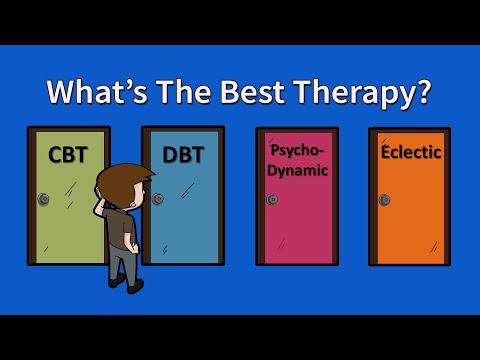
So, you know how we always hear about different ways to handle mental health stuff? It’s kinda overwhelming, right? Like, there’s therapy, meds, and all these buzzwords flying around. But what if I told you there’s this thing called evidence-based practice?
Basically, it’s about using treatments that actually work—backed by research and real-life results. Wild, huh? It’s like walking into a café and knowing exactly which drink will hit the spot.
Let’s chat about some examples of this in action. You know, real strategies that people are using to feel better every day. It’s not just theory; it’s what’s helped folks like you and me navigate through tough times. Excited? Me too!
Understanding Evidence-Based Practices in Mental Health: A Clear Example
Understanding Evidence-Based Practices in Mental Health
So, let’s break this down. Evidence-based practices (EBPs) in mental health are basically treatments and interventions that have been scientifically tested and proven to work. You know, it’s not just what sounds good or what someone swears by—it’s what the research says actually does something to help folks feel better.
Think of it like cooking a recipe that you know is tried and true. If you follow the steps that have been shown to get results, you’re more likely to end up with a tasty dish. But if you just throw random ingredients together based on what looks good, well, who knows how it’ll turn out?
- Therapies backed by research: One commonly used EBP is Cognitive Behavioral Therapy (CBT). This approach helps individuals identify and change negative thought patterns and behaviors. It’s been studied a lot, showing how it can really help with conditions like anxiety or depression.
- Medication management: Another example involves medications that have been shown to be effective for certain disorders. Take antidepressants—research supports their use for people dealing with major depressive disorder. It’s all about matching the right medication with the right person based on clinical trials.
- Mindfulness-based approaches: Practices like mindfulness meditation also fall under EBPs. Studies have indicated they can reduce stress and improve overall mental health, which is super helpful for managing things like anxiety or PTSD.
Now, let me share a quick story about my friend Jake. He struggled with severe anxiety for years; social situations were his nightmare. After trying all sorts of things—from herbal remedies to off-the-wall therapy methods—he finally landed in a CBT program because he read about how it was evidence-based. Guess what? It helped him shift his thinking patterns! With consistent practice over months, he gained real skills to cope with his anxiety.
So yeah, evidence-based practices aren’t just some fancy term; they’re real-world tools that can make a difference in people’s lives when applied correctly. They take the guesswork out of treatment planning so that therapists can offer their clients something solid instead of just hope.
In short, using EBPs means you get treatments supported by science, tailored specifically to meet people’s needs—like going for personalized therapy instead of one-size-fits-all solutions. That turns out to be key in making progress in mental health care!
Exploring Evidence-Based Practices: Effective Strategies in Mental Health and Psychology
So, let’s chat about evidence-based practices (EBPs) in mental health, yeah? It’s all about using strategies that have been tested and proven to work. You know how some things just feel right when you try them? Well, in mental health, we want to make sure what we’re doing actually helps you feel better.
Basically, evidence-based practices come from research. Researchers do studies on different therapies or treatments to see what really helps people with their mental health issues. Think of it like cooking a dish – you don’t just throw ingredients together and hope for the best. You follow a recipe that’s been tried and tested!
One of the most common EBPs is Cognitive Behavioral Therapy (CBT). It’s like a tool that helps you change negative thought patterns. Imagine you’re stuck in this loop where you think “I can’t do anything right.” CBT steps in and helps shift that thinking to something more realistic and positive.
Then there’s Dialectical Behavior Therapy (DBT). This one focuses on teaching skills to manage emotions and improve relationships. If you’ve ever felt super overwhelmed and didn’t know how to cope, DBT offers practical strategies like mindfulness – which basically means being present and aware of your thoughts without judgment.
Motivational Interviewing (MI) is another cool approach. It helps folks who might be struggling with substance use or other behaviors find their own motivation for change. Instead of telling someone they need to change, it’s more like guiding them gently toward realizing they want something different for themselves.
Let’s not forget about Exposure Therapy! This one’s especially good for anxiety disorders or phobias. The idea is to gradually expose someone to what they fear in a safe environment until it feels less scary over time. Picture holding a spider – first just looking at pictures, then maybe seeing one behind glass, until eventually you’re comfortable enough to hold one!
Also, there are medications that are often used alongside these therapies—like antidepressants or anxiolytics—to help manage symptoms while working through the emotional stuff in therapy.
Remember that everyone’s experience is unique—what works wonders for one person might not be as effective for another. That’s why EBPs are so important; they’re grounded in research but flexible enough to adapt to individual needs.
Lastly, it’s crucial that mental health professionals stay up-to-date with the latest research because the field constantly evolves as new strategies emerge. They should also talk openly with clients about what’s evidence-based so everyone knows what they’re working towards together.
That all said, if you’re trying out any new treatment or strategy, keep an open mind! Healing takes time; every step forward counts—big or small!
Top Evidence-Based Psychological Interventions: Effective Examples for Mental Health Success
So, let’s talk about some of the most effective psychological interventions out there. You know, the stuff that actually works when it comes to mental health. These evidence-based practices are designed to help people navigate their emotional and psychological challenges in a meaningful way.
Cognitive Behavioral Therapy (CBT) is a biggie here. It’s all about changing unhelpful thought patterns and behaviors. If you’ve ever caught yourself spiraling into negative thoughts about a situation, CBT might help you identify those thoughts and challenge them. For instance, instead of thinking “I always mess up,” you work on replacing that with something like “I didn’t do great this time, but I can learn from it.” It’s seriously powerful.
Then there’s Dialectical Behavior Therapy (DBT). This one is like CBT’s cooler cousin. Originally developed for people with borderline personality disorder, DBT focuses on teaching skills in four key areas: mindfulness, distress tolerance, emotion regulation, and interpersonal effectiveness. Imagine feeling overwhelmed and not knowing how to cope. DBT gives you tools to handle those intense feelings without resorting to harmful behaviors.
Another solid choice is Exposure Therapy. This one is especially helpful for anxiety disorders or phobias. Basically, the idea is to gradually expose someone to the thing they’re afraid of in a controlled way until it doesn’t scare them as much anymore. Picture someone who’s terrified of spiders spending time with a picture of one first—then maybe watching videos—before eventually being okay with a real spider in front of them. It’s all about desensitization.
Acceptance and Commitment Therapy (ACT) takes a different approach by focusing on accepting your feelings rather than fighting them. It encourages people to embrace their thoughts and emotions while still committing to taking action towards their values and goals. So if you’re feeling anxious about a presentation but want to speak up because it matters to you, ACT helps balance those conflicting feelings.
And let’s not forget about Mindfulness-Based Stress Reduction (MBSR). This technique combines meditation with yoga practices, which works wonders for reducing stress and improving overall well-being. You know how sometimes just sitting quietly can feel so relieving? MBSR teaches you how to be more present in your everyday life—getting folks out of their heads and into the moment.
Lastly, Interpersonal Therapy (IPT) focuses on improving relationships and social functioning as a way to alleviate symptoms related to depression or anxiety. A therapist works with individuals on communication skills or how past relationships impact current ones—helping folks connect better with others.
These interventions are backed by research showing they really make a difference in people’s lives. The mental health world has come quite far in finding methods that work! So if you’re navigating through tough times or know someone who is, remember—not all treatments fit everyone perfectly; finding what resonates can be key!
When you think about mental health treatment, it’s easy to feel overwhelmed. There’s a lot out there, and figuring out what really works can be tricky. But that’s where evidence-based practice comes into play. Basically, it means using the best available research to guide treatment choices.
Let’s say you’re struggling with anxiety. You might go into therapy expecting to chat about your feelings or get some solid advice from a pro. That’s totally normal! But evidence-based approaches dig deeper. They look at what has been shown to work for people with similar experiences.
For example, Cognitive Behavioral Therapy (CBT) is one popular method rooted in evidence. It focuses on changing negative thought patterns and behaviors that contribute to anxiety or depression. Research shows it helps many folks manage their conditions effectively. I remember a friend who tried CBT after years of feeling overwhelmed by anxiety. After just a few sessions, she described feeling lighter somehow—like she had tools for the first time.
Another solid example is Dialectical Behavior Therapy (DBT), especially for those dealing with intense emotions or self-harm behaviors. Developed originally for borderline personality disorder, DBT combines talk therapy with skills training in areas like mindfulness and distress tolerance. A former classmate of mine found this incredibly helpful during some tough times; she said it felt like learning to ride a bike—at first scary, but then liberating.
Then there’s medication, which can also be part of an evidence-based approach when needed—think antidepressants or anti-anxiety meds prescribed alongside therapy. This isn’t a one-size-fits-all deal; what works for one person might not work for another. So, healthcare providers truly try to tailor treatments based on research and individual needs.
But let’s get real for a sec: knowing something is evidence-based doesn’t always mean it feels right to you personally. The human experience is messy and everyone responds differently to treatment options. Sometimes you have to try different methods before finding the right fit—it can feel frustrating! Always keep communication open with your therapist about what does or doesn’t resonate with you.
In the end, evidence-based practices give you a foundation—scientifically-backed methods that can really make a difference in managing mental health challenges. Just remember: it’s okay if what works for others doesn’t quite click for you; this journey is all about finding your own path toward healing.