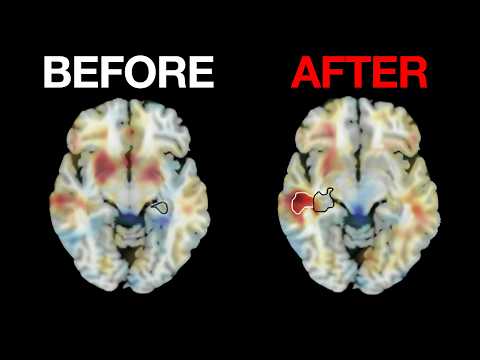
You know how sometimes life just feels, well, heavy? Like you’re stuck in a fog and nothing seems to lift it? That’s what resistant depression can feel like. It’s tough. Really tough.
You try all the usual stuff—therapy, medication, meditation—you name it. But nothing seems to work. And then, there’s this thing called ECT. Ever heard of it?
It might sound a bit intimidating at first. I mean, electroconvulsive therapy? Yikes! But hang on a second—it’s actually helped many people find their way back into the light.
Let’s chat about what ECT is and how it can be a game-changer for those who’ve been battling the darkness for ages. Curious? Buckle up; we’re diving in!
Understanding the Success Rate of ECT in Treating Treatment-Resistant Depression
Electroconvulsive therapy (ECT) sometimes gets a bad rap, you know? But it’s important to take a look at just how well it actually works, especially for folks battling **treatment-resistant depression**. That’s when antidepressants and therapy might not do the trick anymore.
What is ECT? It’s a medical treatment that involves sending small electric currents through the brain. This basically helps to trigger a seizure, which some studies suggest can reset brain chemistry in a way that really helps lift mood.
Now, let’s talk about the success rate. For people dealing with treatment-resistant depression, studies show that ECT can be really effective—around 70-90% of patients may experience significant improvement in their symptoms after undergoing ECT. That’s huge! Just think about someone who’s been struggling for years and finally gets relief.
But here’s where it gets kind of tricky: not everyone will respond positively. Some might see improvements but still feel like they’re not fully themselves. That’s part of why it’s always an individualized process—you and your doctor will make decisions together based on what you need.
When considering ECT, there are a few things to keep in mind:
- Length of Treatment: Usually, patients undergo about 6-12 sessions over several weeks.
- Side Effects: It can come with some short-term side effects, like confusion or memory loss.
- Maintenance Treatments: Some people need ongoing treatments after their initial sessions to maintain improvements.
And oh man, I remember talking to this one guy who had been living in darkness for years because nothing worked for his depression. He described ECT as “a light switch flipping on” inside him after the treatments started kicking in. That kind of transformation is exactly why many folks give it a shot.
It’s also worth mentioning that research around ECT keeps evolving. New techniques and approaches are being explored all the time—like targeted stimulation methods—that aim to reduce side effects while maximizing benefits.
In summary, if you’re wrestling with treatment-resistant depression, ECT could be something to seriously consider. The success rates are pretty promising, but it’s always good to have those conversations with your healthcare provider so you can weigh out all your options based on your unique situation and needs. It could be a new beginning in managing those tough mental health challenges!
Exploring the Gold Standard Treatments for Resistance in Depression: A Comprehensive Guide
When it comes to dealing with depression, some people find themselves in a tough spot. They’ve tried the usual treatments like therapy, medications, or lifestyle changes, but nothing seems to work. This is known as **resistant depression**, and it’s frustrating as heck. So, let’s chat about one of the gold standard treatments for this challenging type of depression: **Electroconvulsive Therapy (ECT)**.
What is ECT? ECT is a medical treatment that involves sending small electrical currents through the brain. This is done to trigger a brief seizure. Sounds intense, right? But here’s the thing: it can really help some people who just can’t shake off their depression.
How does it work? The exact reasons it’s effective aren’t fully understood. However, researchers believe that it may increase the production of certain neurotransmitters—like serotonin and dopamine—that play a big role in regulating mood. So essentially, ECT helps reboot your brain’s chemistry.
Who might benefit? Not everyone needs ECT; it’s generally considered when other treatments have failed. For example:
It’s often a last resort but can be life-changing for many.
Anecdote time: I’ll never forget talking to someone who had been really low for years. Friends had stopped calling because they didn’t know how to help anymore. After starting ECT, she painted me this vivid picture of how colors began reappearing in her life—from gray to vibrant hues again! That shift was so powerful!
What are the risks? Like any treatment, ECT isn’t without its drawbacks:
But many find these side effects are temporary and worth the relief they get from their depressive symptoms.
The procedure itself: ECT isn’t like going under anesthesia for surgery; it’s pretty straightforward:
1. You’ll get an anesthetic and some muscle relaxants.
2. The doctor places electrodes on your head.
3. A small electrical current is sent through your brain for about 30 seconds.
4. You wake up in recovery usually not remembering anything about the procedure.
Most patients undergo **multiple sessions**, typically over several weeks, but this varies based on individual needs.
Effectiveness: Studies show that around 70-90% of patients respond positively to ECT after several sessions! That’s a pretty solid success rate when you think about how deeply entrenched resistant depression can be.
While it may sound daunting at first glance, if you find yourself facing resistant depression after trying conventional routes, talking about ECT with your doctor might be worth considering.
In essence, treatments like ECT remind us that there are options out there—even when you’re feeling stuck in darkness—and sometimes those options can lead you back into the light again!
Exploring the Best Add-Ons for Effective Treatment of Resistant Depression
When we talk about resistant depression, things can get pretty complicated. This is when your typical treatments, like medication and therapy, just aren’t cutting it. And trust me, that’s frustrating! Some folks really struggle with this and may find themselves feeling stuck in a cycle that just won’t end. One option that comes up in conversations is ECT, or Electroconvulsive Therapy.
So what’s ECT all about? Well, it’s a medical treatment that involves sending small electrical currents through the brain while the person is under anesthesia. Sounds intense, right? But here’s the kicker: it can actually work for people who haven’t responded to other treatments. The idea is to give your brain a little reset.
Now, let’s get into some add-ons that might help enhance the effectiveness of ECT for resistant depression:
- Medications: After ECT sessions, doctors often prescribe medications like antidepressants or mood stabilizers. Sometimes this combo works better than either treatment alone.
- Psychoeducation: Understanding what ECT is and how it works can be super helpful. You know? It helps reduce anxiety about the treatment and fosters collaboration between you and your healthcare provider.
- Therapeutic Support: Having therapy alongside ECT can really be beneficial. Talk therapy may help you process feelings around your depression and any changes you experience during treatment.
- Mood Tracking: Keeping tabs on your mood can provide valuable information for you and your doctor. Noticing patterns or triggers makes it easier to find effective complementary strategies.
- Lifestyle Adjustments: Things like regular exercise, good nutrition, and sleep hygiene are important too! These tweaks might not directly affect how ECT works but they sure help improve overall mental health.
I remember talking to someone who had undergone ECT for their resistant depression. They said it felt like waking up from a long nightmare; they felt lighter! But even after feeling better from the treatment, they continued seeing their therapist weekly to work through all those lingering feelings about their journey.
The thing is, while ECT might sound scary at first glance—and trust me I get it—it can lead to significant improvements when paired with other supports. If you’re considering this route or know someone who might be facing these challenges, having open conversations with health professionals is key!
In short, combining approaches might really help pave the way toward recovery when fighting against resistant depression—so don’t lose hope!
Alright, let’s chat about ECT—Electroconvulsive Therapy, to be all official about it. You know, the thing that some people probably think is straight out of a horror movie? But hang on! It’s a legit treatment for folks dealing with resistant depression, which is basically when other treatments just don’t cut it.
I remember a friend who had been battling depression for years. She tried everything—meds, therapy, you name it— but nothing worked. It was like trying to fix a broken watch with duct tape; no matter how hard she tried, time just wouldn’t move forward for her. One day, in a moment of desperation and hope mixed with anxiety, she opted for ECT. Honestly? I was skeptical at first. The idea of electric shocks sounded terrifying! But then I learned more about it.
So here’s the deal: ECT isn’t what people often think it is. The procedure itself is quick and done under anesthesia—so no one’s awake or feeling pain while they get zapped back into some semblance of normalcy. The science behind it’s pretty cool too; the electrical currents help reset things in the brain that are stuck in this dark place.
When my friend went through it, I watched her transformation like watching someone come back from vacation after being away for too long. She described feeling lighter and more “herself” than she had in years. Seriously! For her, ECT was like flipping a switch that had been stuck—incredible.
Of course, it’s not perfect and definitely not the go-to solution for everyone. There can be memory issues or other side effects that can freak people out. But if you’re someone who feels like you’ve hit rock bottom and regular options just aren’t working anymore? It can be worth considering.
People gotta do what works best for them; everyone’s journey looks different when it comes to mental health care. So yeah, if you or someone you know is considering this route, having an open conversation about it is key—and always weigh the pros and cons together with trusted folks in your corner (like doctors!). It’s all about finding your way through the maze of mental health challenges!