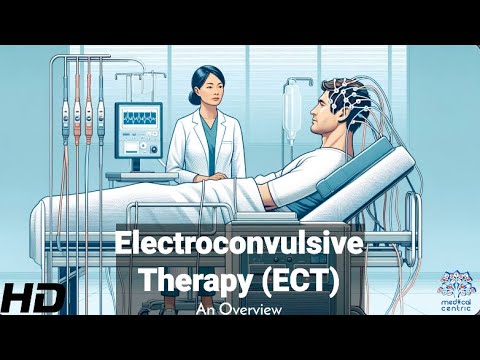
Hey there! Ever feel like you’ve tried just about everything for your mental health and still don’t feel quite right? It can be so frustrating, can’t it?
Well, let me tell you about a therapy option that’s been around for a while but still gets a bit of a side-eye: ECT. Yeah, that’s Electroconvulsive Therapy. Sounds intense, right?
But here’s the thing. For some folks, it’s been a game-changer. It can really help when other treatments just aren’t cutting it. Don’t worry; we’ll break it down together and explore how to find nearby options for this therapy.
So stick around! You might discover something that could be helpful for you or someone you care about.
Understanding the Cost of a Single ECT Session: What to Expect
When it comes to electroconvulsive therapy (ECT), there’s a lot of curiosity about what it costs and what you can expect from a session. First off, let’s clarify that ECT isn’t some casual afternoon trip—it’s a medical procedure. So, you can bet there are expenses involved.
The cost of a single ECT session can vary quite a bit depending on where you go. In general, you’re looking at anywhere from $1,000 to $3,000 per session. Sounds like a lot, right? Well, there are several factors influencing these numbers.
- Location: Prices can differ widely depending on the hospital or clinic’s location. Urban centers might charge more due to higher operating costs.
- Facility Type: Private hospitals tend to be pricier than public ones. If you’re looking at an outpatient clinic versus an inpatient facility, that’ll also change things up.
- Anesthesia and Monitoring: ECT usually involves anesthesia and monitoring during the procedure. These additional services add to the price tag.
- Insurance Coverage: If you have health insurance, check your plan. Some plans cover ECT fully or partially but maybe require prior authorization.
Let me share a little story here—my friend Lucy went through this process when she was struggling with severe depression. She needed multiple sessions and had some anxiety about the cost upfront. After doing her homework and talking to her insurance company, she found out that most of her sessions were covered! That made a huge difference for her peace of mind.
You should also consider how many sessions you might need. Most people don’t just do one; often it’s part of a series—maybe six to twelve sessions over several weeks. So if you factor in the total cost for multiple sessions, it adds up quickly.
Now let’s talk about what happens after those feelings kick in when you’re considering ECT. It can feel really overwhelming at first—the idea that you’re opting for this kind of treatment might feel like admitting defeat or surrendering control over your mental health journey. But remember: seeking help is incredibly brave.
Finally, when choosing an ECT provider, don’t rush into it! Shop around if possible—talk to different facilities and see what makes you feel comfortable and supported in your choice.
So there you have it! Understanding the cost of an ECT session is essential as you navigate through your mental health options nearby. You’re taking steps towards better mental well-being—and that’s something worth investing in.
Understanding Modern ECT Treatment: Innovations and Benefits for Mental Health
Sure thing! So, let’s talk about ECT, or electroconvulsive therapy—it’s one of those topics that can feel a bit old-school but actually has some modern twists to it.
First off, what is ECT? Well, it’s a treatment for severe mental health issues like depression and bipolar disorder. You know how sometimes medications take a while to kick in? ECT can work much faster, which is a big plus when someone’s really struggling. It involves sending small electrical currents through the brain to trigger a brief seizure. And no worries—it’s done under anesthesia, so you’re not awake for the whole thing!
Now, here’s where it gets interesting: modern ECT has evolved quite a bit. Back in the day, people had some pretty scary views about it because of how it was portrayed in movies and stuff. Nowadays, doctors use refined techniques that make it safer and more effective.
Some key innovations include:
Okay, let’s touch on some benefits too! ECT can bring relief pretty quickly for people who haven’t found success with meds alone. Imagine feeling hopeless and then suddenly seeing some light—like someone flipping a switch in your head! That sense of clarity can be life-changing.
And there are also less common side effects with today’s methods. Things like memory loss exist but are typically not as intense as they used to be. Plus, many patients report improved mood and overall functioning after treatment.
Now if you’re looking for ECT therapy options nearby, check out local mental health clinics or hospitals—many have dedicated programs now. You can also ask your therapist or doctor for referrals; they usually have connections with good practitioners in your area.
Here’s a little story: A friend of mine once struggled deeply with depression and tried everything from therapy to meds without success. Eventually, she decided to try ECT after her doctor laid out the benefits clearly—and wow! Within just a few sessions, she felt like herself again. She could engage again with her family and friends after feeling lost for so long.
So yeah, while ECT might sound daunting at first glance, it’s definitely worth considering if you’re seeking help for severe mental health challenges—it has come such a long way! Just remember that every treatment journey is personal; what works wonders for one person might not be right for another.
Hope that sheds some light on modern ECT treatment!
Step-by-Step Guide to Getting Approved for Electroconvulsive Therapy (ECT)
Getting approved for Electroconvulsive Therapy (ECT) can feel a bit overwhelming, right? You’re not alone if you’re wondering how to navigate this process. So, let’s break it down a bit.
First off, what is ECT? It’s a medical treatment that uses electrical currents to stimulate the brain. This isn’t just for anyone; it’s usually recommended for severe depression, bipolar disorder, or other serious mental health issues when other treatments haven’t worked.
Now, how do you get started on the journey?
1. Start with Your Doctor.
Talk to your primary care physician or a mental health professional. Be open about your symptoms and why you think ECT might help. They’ll assess your situation and determine if you’re a candidate for this treatment.
2. Evaluation.
If they think ECT is worth considering, you’ll likely undergo an evaluation by a psychiatrist who specializes in ECT. They’ll want to know about your mental health history, current medications, and any previous treatments you’ve tried. It’s pretty thorough because safety is key.
3. Explore Your Options.
Look into facilities that specialize in ECT nearby. You should check out hospitals or clinics that have a good reputation for providing this treatment safely and effectively.
4. Understand the Risks and Benefits.
Before moving forward, it’s important that you discuss all the potential risks and benefits of ECT with your doctor or psychiatrist. Some people worry about memory loss or side effects related to anesthesia; knowing what to expect can ease those concerns.
5. Consent Forms.
If everything looks good and you’re ready to proceed, you’ll be asked to sign consent forms—this means you’re agreeing to the treatment after being informed of what it entails.
It’s normal to feel nervous during this whole process—it can feel like jumping into the deep end of a pool without knowing how deep it goes! I remember my friend Sarah was really hesitant before her first session but felt relief knowing she had supportive professionals guiding her every step of the way.
In some cases, insurance coverage can be tricky with ECT too—make sure to check with your insurance provider about what they cover regarding “inpatient” versus “outpatient” treatments because it varies quite a bit.
Finally, try not to rush yourself through this process; it’s all about finding what works best for you in terms of healing and support.
So there you have it! Just take each step one at a time; getting approved for ECT doesn’t have to be an uphill battle if you’ve got the right support around you.
So, let’s talk about ECT, or Electroconvulsive Therapy. You might be thinking, “Wait, what? Isn’t that the thing from those old movies where they shock people?” Yeah, I get it. It sounds a bit intense. But the reality is way different these days.
I remember a friend of mine, Sarah. She was struggling with severe depression and had tried just about everything—therapy, meds—you name it. Nothing seemed to help her feel even a little bit better. It was heartbreaking to watch her go through that. One day, she heard about ECT and how it could potentially lift that heavy fog she’d been living under for so long. At first, she was scared; who wouldn’t be? But after talking to her doctor and doing some research, she felt more at ease with the idea.
Finding a place nearby that offered ECT turned out to be surprisingly challenging for her. She spent hours online looking for clinics or hospitals in her area. Some were too far away or didn’t have good reviews, while others had long waiting lists. Honestly, it can feel like you’re on this exhausting scavenger hunt just to find the right support when you need it most.
But here’s the thing: once Sarah found a well-rated facility close by, things started to shift for her in ways she hadn’t imagined possible. After her first few sessions—yeah, I remember how anxious she was going in—she began to notice changes in her mood and energy levels. It was like watching someone come back to life little by little.
If you’re considering ECT or know someone who is looking into it, just remember: research your options! Take your time finding a place that feels right for you or your loved one because having supportive staff makes all the difference.
And if you do decide on ECT as part of your mental health journey—or if anyone you care about does—know that there are people out there who understand what you’re going through and want to help you through those tough moments. Finding local options doesn’t have to be daunting; just keep pushing forward until you find what works for you!