So, let’s chat about something that doesn’t get enough attention: postnatal depression. Yeah, it’s a real deal for new parents.
You know how having a baby is supposed to be this magical time? Well, sometimes it can feel like a whirlwind of emotions instead. Seriously, it’s not all rainbows and butterflies—some folks hit some pretty low lows after giving birth.
That’s where something called the Edinburgh Postnatal Depression Scale comes in. It’s this super handy tool to help figure out if someone might be feeling more than just the usual baby blues.
But here’s the thing: understanding what you’re going through can be a game-changer. It opens doors to support and healing, which is so important! So let’s dive into why this little quiz can be such a big help for parents navigating those tricky waters.
Download the Edinburgh Postnatal Depression Scale PDF: A Comprehensive Resource for New Mothers
The thing about new motherhood? It can be a rollercoaster. You’re filled with joy and love, but you can also feel overwhelmed, anxious, and—let’s be real—exhausted. That’s where tools like the Edinburgh Postnatal Depression Scale (EPDS) come into play.
This scale is a questionnaire designed specifically to help detect postnatal depression. It’s not just some random test; it’s backed by research and helps identify symptoms that might otherwise go unnoticed. New moms can feel like they need to put on a brave face, but there’s no shame in admitting things are tough.
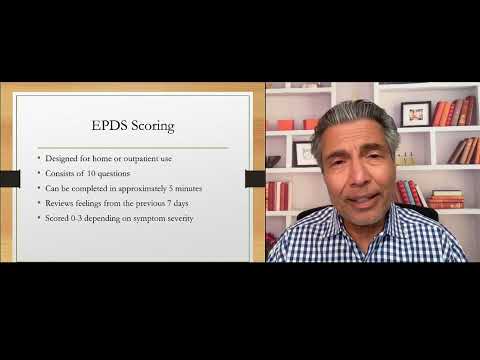
When you download the EPDS PDF, you’re getting a comprehensive resource. It typically includes 10 questions that ask about your feelings over the past week. This isn’t just busywork. Each question helps pinpoint how you’ve been feeling emotionally—like if you’ve been feeling sad or unable to cope with everyday tasks.
What I love about using something like this is that it gives you an opportunity for self-reflection. Imagine sitting down with this scale after a whirlwind day of diaper changes and sleepless nights. You might realize that what you’re feeling isn’t just «the baby blues.» You follow me? Sometimes we think we’re alone in our struggles until we see they might be more common than we thought.
There are several benefits to filling out the EPDS:
- Immediate Insight: You get a clearer picture of your mental health status.
- Professional Guidance: If needed, it helps healthcare providers understand your condition better.
- Empowerment: Acknowledging your feelings can empower you to seek help.
- Coping Strategies: Recognizing symptoms may lead you toward effective coping mechanisms or treatments.
In real life, let’s say a new mom named Sarah fills out this scale one evening after her baby finally falls asleep. She scores higher than she expected, signaling potential depression. Instead of brushing her feelings off as normal fatigue, she decides to talk to her doctor about it. That conversation opens doors for therapy options or support groups she hadn’t considered before.
The EPDS is key because early detection of postnatal depression makes all the difference in recovery. When new mothers know what they’re facing—a tough mental health challenge—they’re less likely to suffer in silence.
But downloading the PDF isn’t just about ticking boxes; it’s a step toward understanding yourself better during an incredibly intense life transition. Seriously, if you’re feeling down, don’t hesitate to use these resources or reach out for help—there’s no victory in doing it alone!
Understanding the Postpartum Depression Screening Scale (PDSS PDF): A Comprehensive Guide for New Parents
Understanding the Postpartum Depression Screening Scale (PDSS) can be super important for new parents, especially with everything that comes after having a baby. Seriously, the emotional rollercoaster is real. You might find yourself feeling happy one moment and then overwhelmed the next. It’s totally normal but can sometimes lead to postpartum depression.
The PDSS is a tool designed to help identify signs of postpartum depression. It’s like a mental health check-in after you’ve had your baby. You know, it gives you and your healthcare provider a way to see how you’re really doing emotionally. Think of it as a way to put your feelings into words when they might feel all jumbled up inside.
This scale consists of
, which assess how you’ve felt in the last week. You’ll rate each statement based on how often it applies to you—whether it’s never, sometimes, or most of the time. It’s pretty straightforward and often takes about 15 minutes or so to complete.
Now, let’s talk about its connection with the Edinburgh Postnatal Depression Test. The Edinburgh test is similar but shorter, with just 10 questions. Many healthcare providers use both because they offer different perspectives on what you might be experiencing, and together they can paint a clearer picture of your mental health after giving birth.
A lot of new parents don’t realize how common these feelings are but understanding them can lead to better outcomes. Some folks even say that taking these tests helped them open up about their feelings for the first time ever! It’s like shining a light on something that seems really heavy.
You may wonder why screening is so crucial? Well, those early days can be challenging—sleep deprivation, hormonal changes, and yeah, adjusting to a totally new life! By using tools like PDSS or the Edinburgh test, healthcare providers can spot potential problems early on. This means that if someone is struggling with postpartum depression, they can get help sooner rather than later.
And here’s something else: self-awareness plays a huge role in mental health recovery. Filling out these questionnaires may help you recognize patterns in your emotions and behaviors too. If you’re feeling low consistently or having trouble enjoying time with your newborn—this kind of self-reflection becomes pretty critical.
But hey, if you get flagged as needing extra support from either test—don’t freak out! That’s just an opportunity for more conversations about what you’re going through. And remember: seeking help isn’t a sign of weakness; it’s part of being proactive about your mental wellness.
In essence, understanding both screening scales gives new parents valuable insight into their emotional well-being during such a transformative time in life. It creates pathways for discussing feelings that are often pushed aside or ignored altogether—and that’s key in moving toward healthier mindsets post-baby!
Evaluating the Reliability of the Edinburgh Postnatal Depression Scale: A Comprehensive Analysis
The Edinburgh Postnatal Depression Scale, or EPDS for short, is a tool used to screen for postnatal depression in new mothers. It’s a series of ten questions, and it’s pretty straightforward. You rate how you’ve felt in the past week. Each answer has a score, and at the end, you can see where you stand. But how reliable is it? Let’s break that down.
First off, reliability refers to how consistent the results are when you use the scale over time or with different groups of people. Studies have shown that the EPDS has strong reliability. For example, when researchers looked at different populations—like moms from various backgrounds or cultures—they found similar scores on average, which is a good sign.
Now let’s chat about validity. This means whether the test actually measures what it claims to measure: postnatal depression. The EPDS has been validated against other established measures of depression, which gives us confidence in its findings. In many cases, if someone scores high on the EPDS and then undergoes a clinical interview, they often receive a diagnosis of depression as well.
But nothing’s perfect, right? There are some potential limitations to consider. For instance:
- Cultural Differences: Not all responses may resonate equally across different cultures. What feels “normal” or “overwhelming” can vary.
- Subjectivity: It’s possible for someone to interpret questions differently based on their personal experiences.
- Anxiety Symptoms: The scale focuses specifically on depression; however, many moms also experience anxiety symptoms that might not be captured fully.
Let me share an example here: imagine Sarah—a new mom overwhelmed with baby care and sleep deprivation. She might feel sad but also anxious about being a good parent. If she answers based solely on her sadness without considering her anxiety too much, her score may not reflect her full emotional state.
Another thing to think about is how often new mothers are screened using the EPDS after childbirth. Regular screening helps catch any mental health issues early on; this is crucial since postpartum depression can affect bonding with the baby and overall well-being.
In terms of benefits? The psychological advantages of using EPDS are pretty significant! Identifying issues early allows for timely interventions—like therapy or support groups—which can lead to better outcomes for both mom and baby.
So yeah, while no tool is flawless, the Edinburgh Postnatal Depression Scale remains highly regarded in mental health care settings as an effective way to evaluate postpartum mood issues. Understanding its reliability helps healthcare providers support mothers through one of life’s biggest transitions with just a bit more confidence!
You know, becoming a parent is this wild roller coaster. There’s this massive mix of joy, confusion, and sometimes overwhelming sadness that can crop up. That’s where tools like the Edinburgh Postnatal Depression Scale (EPDS) come in. It’s basically a quick questionnaire that helps new parents figure out if they’re dealing with postpartum depression. But it’s more than just some cold clinical thing—there are real psychological benefits to using it.
Imagine being a new mom or dad, and those feelings of sadness creep in. You might think it’s just part of the package, right? But what if you had a tool that helped put a name to what you’re feeling? Like last year, my friend Sarah had her baby girl, and she started feeling so low that even getting out of bed felt like climbing Everest. When she filled out the EPDS, it was like flipping on a light in a dark room. It didn’t solve everything but gave her clarity about what was actually going on with her emotions.
The EPDS consists of ten questions that focus on how you’ve felt over the past week—easy peasy! If your score nudges into concerning territory, it doesn’t mean you’re failing; rather it helps to bring awareness to your situation. And let me tell you, just acknowledging those feelings can be super freeing! It’s like having permission to say, “Hey, this is tough!”
Also, once you know where you’re at emotionally, you can take steps to feel better. Whether that’s talking to someone or seeking therapy or even just reaching out for some support from friends or family. Sarah ended up talking with her doctor after her EPDS score suggested she might need help—and honestly? That chat opened the floodgates for support she didn’t even know she needed.
It’s all about breaking down stigma too! Sometimes people think mental health issues are something to brush under the rug—like being sad after having a baby is taboo or something. But using tools like the EPDS helps normalize those conversations. You’re not alone in this! It reminds you that many others have walked this path too.
So yeah, while the EPDS is just one part of understanding postpartum experiences, its psychological benefits shine through when it offers insight and leads to connection—both with yourself and others who get it. Whether it’s tears of frustration or moments of joy while holding your little one close, being aware of your mental health really makes all the difference in navigating those crazy first months as a parent.