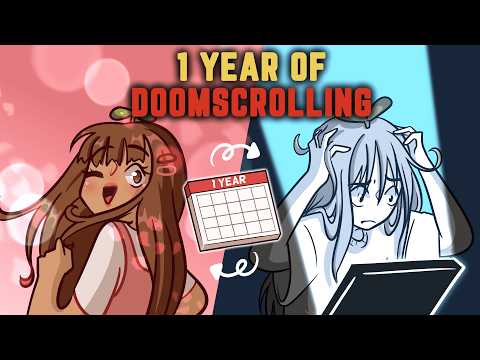
Hey, you know that feeling when you’re just scrolling through your phone and suddenly it’s 3 a.m.? Yeah, that’s doomscrolling for you. It’s like a rabbit hole of bad news and stress.
You start with one headline, then another, and before you know it, your brain is buzzing with anxiety. Seriously, it’s like a rollercoaster ride but without the fun part.
What gets me is how this habit sneaks up on us. One minute you’re just trying to stay informed, and the next, you’re in this heavy emotional pit.
Let’s chat about what doomscrolling really does to your mental health because it’s more than just losing sleep over the latest crisis. It can mess with your mood and how you see the world around you. So let’s dig in!
Understanding Doomscrolling: Its Impact on Your Mental Health and Well-Being
Doomscrolling is a term you might have heard a lot lately. Basically, it’s when you get sucked into scrolling through negative news or social media posts. It’s like when you can’t resist looking at your phone, even if it’s just bad news after bad news. You know? It kinda feels like standing in quicksand—you know it’s not good for you, but you just can’t stop.
So why does this happen? Well, first off, our brains are wired to pay more attention to negative stuff because it’s a survival thing. Back in the day, keeping an eye on threats was crucial for staying alive. Nowadays, we haven’t really evolved past that instinct, which means we’re glued to doom and gloom instead of lighter content.
The thing is, when you’re constantly bombarded with negative info, it messes with your mental health. You might feel anxious or depressed without realizing why you’re feeling that way. Seriously! It’s like one minute you’re fine and the next—a wave of worry hits you outta nowhere.
Here are some hidden effects of doomscrolling that can sneak up on you:
- Anxiety Levels Soaring: Constantly reading distressing news? It can make your heart race and leave you feeling uneasy.
- Feeling Overwhelmed: With every headline about disasters or tragedies, it’s easy to feel powerless and small.
- Sleep Issues: Staring at your screen late at night while scrolling through bad news? Yeah, that’ll mess with your sleep cycle.
- Negative Outlook: When all you’re seeing is hostility and chaos online, it can warp how you view the world.
Let’s chat about something personal for a sec—a friend of mine got super into doomscrolling during the pandemic. Every night before bed, she’d scroll through social media feeds filled with COVID updates and other gloomy headlines. She thought she was staying informed but ended up feeling anxious every single morning. Some days she couldn’t even get out of bed because the world felt so heavy on her shoulders.
Whatever happened to relaxing or enjoying life? Like I said earlier—the brain loves negativity! But here’s where things get tricky; while staying updated is important, there has to be a balance.
If you’re feeling overwhelmed by what you’re seeing online—take a break! Seriously! You deserve some mental peace after all those jarring headlines. Try setting specific times for checking the news instead of mindlessly scrolling throughout the day.
Additionally, remember to fill your feed with uplifting content as well—that could be funny videos or positive stories about people doing good in the world—whatever makes you feel good!
In short: while being informed matters—and sometimes *doomscrolling* feels unavoidable—be aware of its impacts on your mind. Take care of yourself by mixing things up and cutting back when necessary; it’s okay to unplug now and then!
Understanding Doomscrolling: How It Affects Your Brain and Mental Health
Doomscrolling, huh? It’s that habit where you just keep scrolling through negative news or social media posts, often late into the night. You know the feeling—your phone feels like an anchor, pulling you deeper and deeper into a sea of bad vibes. The thing is, like many habits, it can really mess with your brain and mental health.
First off, when you’re constantly absorbing distressing information, your brain doesn’t really get a break. It’s like being on high alert all the time. This chronic state of stress can lead to feelings of anxiety and even depression. Your mind starts to believe that the world is just a chaotic place full of doom and gloom.
Here are some key points about doomscrolling:
Let’s think about this in real-life terms. Imagine you’re in a group chat with friends sharing breaking news—gloomy stats on pandemics or climate change—it tends to escalate quickly, right? You start to feel overwhelmed and anxious just from reading those messages.
But there’s also something called “social media fatigue.” You scroll through endless posts and updates until nothing feels new anymore—just more bad news stacked on top of everything else! This constant barrage can lead to a loss of interest in things that used to bring you joy or calm.
Now let’s talk solutions for a minute—because acknowledging the problem is one part; dealing with it is another! Limiting your news consumption can be super helpful. Maybe set boundaries around how much time you spend scrolling each day. Also, try replacing some scrolling time with activities that ground you—a walk outside or picking up an old hobby might do wonders.
Bottom line: Doomscrolling isn’t just harmless curiosity; it seriously affects how we feel mentally and emotionally. Taking steps to manage it can help restore some balance in our lives—like putting down the phone every once in a while and focusing on what brings real happiness!
Understanding the Impact of Doomscrolling on Your Mental Health: A Guide to Healthier Digital Habits
Doomscrolling is that habit of mindlessly scrolling through negative news on your phone or computer. You know, when you can’t stop checking the latest updates, even if they make you feel anxious or down. It’s become pretty common, especially in today’s digital age. But what does it really do to you mentally?
When you’re stuck in a loop of bad news, your brain gets overloaded. Seriously, it’s like being bombarded with stressors that just keep coming. Research shows that this constant exposure can ramp up feelings of anxiety and depression. You might feel more overwhelmed and less in control, which isn’t good for anyone.
Imagine this: You’re cozy on your couch at night, scrolling through social media. One headline catches your eye—something about a disaster or political unrest. Suddenly, you’re spiraling into worry about the world. This isn’t just about being upset; it can mess with your sleep too! Late-night doomscrolling has a way of keeping your brain buzzing when all you want is to relax.
So here’s where it gets tricky: the more you scroll, the more anxious and disconnected you might feel. It’s like a feedback loop; negative news leads to anxiety, which makes you scroll even more. It’s hard to break that cycle without some intentional effort.
But how do we shift those habits towards something healthier? Here are a few ideas:
- Set time limits: Decide how much time you’ll spend on news each day and stick to it.
- Curate your feed: Follow accounts that spread positivity or share constructive information instead of just doom and gloom.
- Engage in other activities: Swap out some digital time for hobbies like reading or going for walks.
- Practice mindfulness: Techniques such as meditation or deep breathing can help ground you when feeling overwhelmed.
- Take breaks from the news: Give yourself permission to unplug for a day or two; this can really help clear your mind.
Making these changes won’t happen overnight, but even small steps can lead to improvements in how you feel overall. Think about this: What’s one thing you could cut back on today? Maybe it’s not checking the news first thing in the morning or right before bed.
It’s important to remember that while staying informed is crucial, how we consume information matters just as much—if not more! Being mindful of what content you’re engaging with daily can set the tone for how you feel inside.
So next time you’re tempted to dive deep into those endless feeds of bad news, pause for a moment. Ask yourself if it’s worth the toll it’s taking on your mental health. Because at the end of the day, caring for your mind is just as important as staying caught up with current events!
You know that feeling when you just can’t stop scrolling through your phone? Like, you’re lying in bed, and instead of dozing off, you find yourself glued to the screen, reading one heart-wrenching headline after another? Yeah, that’s doomsrolling in action.
I remember a time I got sucked into my phone for hours. It was right after some major news hit about the pandemic. I was glued to updates, feeling more anxious with every refresh. It felt like the world was unraveling, and I just… couldn’t look away. But honestly? After a while, it left me feeling drained and pretty hopeless. That’s what doomscrolling can do—turn casual curiosity into a relentless cycle of anxiety and despair.
So what’s the deal with doomscrolling? Basically, it’s that habit of consuming negative news repeatedly. You’re scrolling through social media or websites, absorbing all these terrible headlines about everything from climate change to politics to personal tragedies. And while getting informed is totally important, constantly bombarding yourself with negativity can really take a toll on your mental well-being.
Let’s break it down a bit. When you’re scrolling for all that grim news, your stress levels kick up a notch. Your brain gets flooded with cortisol—the stress hormone—making you feel more anxious and on edge. And if this continues day after day? You might start feeling symptoms of depression too. Fun times, right?
Plus there’s the comparison trap! Social media is such an easy place to fall into comparing your life with others’. You see everyone posting their «best selves,» which can make you feel even crappier about your own reality if you’re already struggling.
But don’t get me wrong; staying informed is good! It just becomes unhealthy when we let it spiral into an obsession that disrupts our peace of mind. So maybe try setting boundaries around your news consumption—like having specific times to check in or limiting how much time you spend scrolling at night before hitting the hay?
At the end of the day, we all want to stay connected and informed without sacrificing our mental health on the altar of doomscrolling. So whenever you feel that urge creeping in again—remember: taking breaks isn’t just okay; it’s crucial for keeping your mind clear and healthy!