You know how sometimes life feels like a never-ending rollercoaster? One moment you’re up, and the next, you’re just down in the dumps. It can be a lot to handle.
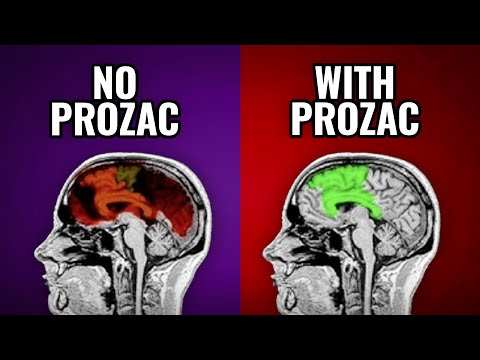
That’s where medications like fluoxetine come into play. You might have heard about it as Prozac. Honestly, it can be a game changer for some folks dealing with things like depression or anxiety.
But what does it actually do? And how does it really impact your mood and overall mental health?
Let’s break it down and chat about fluoxetine, its effects, and why it might just make a difference for you or someone you know.
Understanding Fluoxetine: Its Impact on Mental Health and Well-Being
Fluoxetine is one of those medications you might have heard of, especially when it comes to treating depression and anxiety. It’s a type of antidepressant known as a selective serotonin reuptake inhibitor (SSRI). Basically, what that means is that it helps increase the amount of serotonin in your brain. Serotonin is like that happy little messenger that plays a big role in regulating mood.
When you’re feeling down or anxious, your serotonin levels can drop. Taking fluoxetine helps your brain hold onto more of this important chemical, which can lead to an improved mood over time. But don’t expect immediate results; it usually takes a few weeks to start noticing any changes.
Some people might wonder how fluoxetine actually impacts mental health outcomes. Well, aside from easing symptoms of depression and anxiety, studies have shown that it can also help with obsessive-compulsive disorder (OCD) and certain eating disorders. Many folks find they can function better at work or school after being on this medication for a while—and let me tell you, that can make a huge difference in daily life.
Now, let’s talk about the side effects because they’re part of the picture too. Some common ones include:
- Nausea
- Headaches
- Sleep disturbances
- Weight changes
Yeah, not exactly a walk in the park! But here’s the thing: not everyone experiences these side effects, and some people find them manageable compared to their original symptoms.
There’s also something called “discontinuation syndrome” if you suddenly stop taking fluoxetine without consulting your doctor. You could face withdrawal-like symptoms such as dizziness or irritability—definitely not fun! That’s why it’s super important to talk with your healthcare provider before making any changes to how you take the medication.
So here’s an interesting tidbit: remember my friend Sarah? She was really struggling with anxiety after losing her job. After discussing her options with her doctor, she started on fluoxetine. It took about six weeks before she noticed improvements—she was less anxious about everyday situations and even started going out more again! For her, it felt like coming up for air after being underwater for too long.
In a nutshell, fluoxetine can be an effective tool in managing mental health conditions when used correctly. The key takeaway here is that while it does have its drawbacks—a couple annoying side effects being one—it has made a real difference for many people struggling with their mental health. Always check in with your healthcare provider about what’s right for you because everyone’s journey is different!
Exploring the Impact of Prozac on Emotional Experience: Does It Dull Your Feelings?
Prozac, or fluoxetine, is one of those medications that gets talked about a lot. It’s an SSRI, which means it helps increase levels of serotonin in your brain. You know serotonin? It’s like a chemical messenger that plays a big role in mood regulation. But when people start taking Prozac, there’s often this question: does it dull your feelings? Let’s break this down.
First off, Prozac can be super helpful for many folks dealing with depression and anxiety. It often lifts the fog of sadness or worry that can feel overwhelming. But here’s the kicker: some people report feeling like their emotions are muted or flat after starting it. That can be tough to navigate.
So what gives? When you’re on Prozac, it works to balance out those serotonin levels, which can lead to feeling more stable overall. But sometimes, that stability comes at the cost of feeling less intense emotions—both the good and the bad ones. It’s like if someone turned down the volume on your emotional dial. For instance, you might find yourself smiling at something funny but not quite laughing out loud like you usually would.
Now let’s look at a real-world example—imagine Sarah. She starts taking Prozac after struggling with deep sadness for months. Initially, she feels lighter and more able to engage in life again! But as time goes on, she notices that when her best friend tells her great news, instead of jumping up and down with joy, she just feels…okay. Not bad! Just okay.
It’s important to note, though, that everyone reacts differently to medications. Some might not notice any dulling effect at all while others could feel a significant change in their emotional responses.
Here are some potential reasons why this happens:
- Dosage: Sometimes it could simply be about how much you’re taking.
- Time: The body needs time to adjust; emotional experiences can shift as you continue treatment.
- Coping Mechanisms: If you’ve learned ways to cope with strong emotions over time, medication may change how those strategies work.
- Underlying Issues: Sometimes other mental health issues might influence how you feel emotionally on medication.
Tuning into your feelings is key when adjusting to something like Prozac. Think about keeping an emotional journal or chatting regularly with someone who understands these changes—like a therapist or close friend.
In short? Prozac can help reduce emotional pain but may also lead some people to feel less emotionally responsive overall. It’s one of those complex things where finding balance matters most!
Understanding Fluoxetine Side Effects: What You Need to Know for Mental Health
Fluoxetine is a medication that many people know as Prozac. It’s primarily used to treat conditions like depression, anxiety, and obsessive-compulsive disorder (OCD). While it can help a lot of folks feel better, it’s also important to understand the potential side effects that might come with it.
When you start taking fluoxetine, you might experience some changes in your body and mood. This isn’t unusual. Most medications have side effects—this one’s no different. Some common side effects include:
- Nausea: A lot of people report feeling queasy when they first start the medication.
- Insomnia: Trouble sleeping can pop up for some. Your brain is adjusting to the new chemical mix.
- Weight changes: You might notice either weight gain or loss while on fluoxetine. It really varies from person to person.
- Anxiety or agitation: This can seem counterintuitive since fluoxetine is meant to help with anxiety, but some people feel more jittery when they begin taking it.
- Sexual dysfunction: Many who take fluoxetine report difficulties in their sex life, which can be frustrating and affect relationships.
Now, don’t freak out if you end up experiencing one or more of these! It’s important to talk to your doctor about any side effect that bothers you. They might adjust your dosage or suggest trying a different medication.
There’s also something called Serotonin Syndrome, which is rare but serious. This happens when there’s too much serotonin in your system. Symptoms can include confusion, rapid heart rate, and even hallucinations. If you notice anything like this happening, seek medical attention right away.
Adjusting to fluoxetine usually takes time—like weeks sometimes! You might not feel the full benefits immediately. In fact, many people find that side effects diminish after a couple of weeks as their bodies adapt.
It’s really vital to stay connected with your healthcare provider during this time. They can guide you through managing any uncomfortable symptoms and monitor how well the medication is working for your mental health needs.
In short, fluoxetine has its pros and cons like any treatment option out there. Being aware of what could happen helps make the process a bit easier—and less scary! So if you’re thinking about trying fluoxetine or are already on it, keep these points in mind and don’t hesitate to reach out for support whenever you need it!
So, fluoxetine, huh? It’s one of those medications that people often talk about when discussing depression and anxiety treatment. You might know it better as Prozac. It’s been around for a while and has helped many folks feel like themselves again. But the thing is, just saying it helps doesn’t really capture the whole picture.
I remember a friend of mine who struggled with feeling constantly low. She’d try to shake it off, like thinking positively would work wonders—and sometimes it did for a bit. But eventually, the weight just got too heavy. After much thought, she finally decided to talk to her doctor about medication. That’s when fluoxetine came into play.
At first, she was nervous about starting it. You know how it goes—she’d heard stories of side effects and adjustments. Would she feel different? Would she lose some part of herself? But after a few weeks on fluoxetine, something shifted. She described it as if someone had lifted the fog that had been clouding her mind for years. Suddenly, daily tasks weren’t so daunting. Simple joys started to creep back in—like playing with her dog or enjoying a walk in the park without that heavy cloud hanging over her head.
Fluoxetine works by increasing levels of serotonin in the brain—a little chemical that plays a big role in mood regulation. And yeah, for some people, this can lead to improvements in mental health outcomes like fewer depressive episodes or less anxiety. But here’s where things get tricky: not everyone reacts the same way to this medication.
Some folks might experience side effects like nausea or sleep disturbances when they first start taking it; others might find it surprisingly smooth sailing right from the get-go! So really it’s like trying on shoes—what fits one person perfectly might pinch another.
It’s also worth mentioning that while fluoxetine can be super helpful in managing symptoms, it’s often most effective when combined with therapy or lifestyle changes—kind of like adding peanut butter onto your jelly sandwich; they complement each other well!
In short, fluoxetine’s impact is personal and varies from person to person. The important thing is to keep an open conversation going with whoever’s prescribing it and not hesitate to voice your feelings or concerns along the way—it matters more than you think!