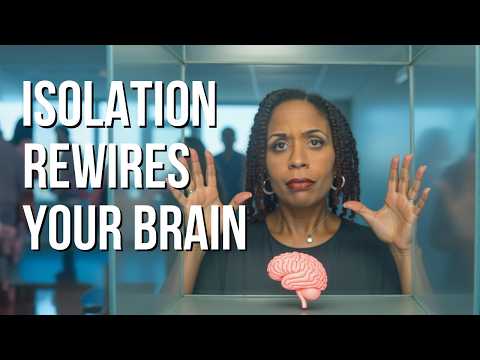
You know, social isolation can hit harder than you might think. It’s not just about being alone; it’s about how that loneliness seeps into your mind over time.
Imagine being cooped up without meaningful connections. That feeling creeps in, and suddenly, it feels like the world outside is moving on without you.
And let me tell you, it can mess with your head in ways most people don’t realize. Anxiety, depression, or even an identity crisis could crop up when you least expect it.
So, what’s the deal? What really happens to us when we’re stuck in our own little bubble for too long? Let’s chat about the psychological twists and turns that come with long-term isolation. You might find some of it surprisingly relatable!
The Hidden Dangers of Long-Term Social Isolation: Understanding Its Impact on Mental Health
Social isolation can creep up on you, can’t it? One minute, you’re enjoying some alone time, and the next, you’re realizing how long it’s been since you’ve chatted with someone face-to-face. Long-term social isolation carries some serious mental health risks.
When people spend too much time alone, they often start to feel anxious or depressed. It’s like your brain gets stuck in a loop of negative thoughts. Studies show that prolonged isolation can lead to symptoms similar to those of major depression. You might start feeling hopeless or lose interest in things you used to enjoy.
The thing is, social interactions are crucial for our well-being. Connecting with others helps keep us grounded and gives us a sense of belonging. You know that warm feeling when you hang out with friends? That’s your brain releasing dopamine, which is a feel-good chemical! Without those connections, dopamine levels can drop.
Isolation impacts your cognitive functions too—like memory and decision-making skills. Think about it: if you’re not talking through ideas or problem-solving with someone else, those skills can start to fade away over time. It’s like lifting weights but for your brain; if you don’t use it, you lose it.
People in isolation often experience heightened stress levels as well. When there’s no one around to share the load with, even minor challenges can seem overwhelming. This chronic stress can affect both physical and mental health. For instance, it might lead to sleep issues or even heart problems down the line.
But let’s not forget about how lengthy isolation changes your perspective on reality. When you’re alone for too long, it’s easy to magnify worries or fears. What was once just a small concern could twist into something enormous in your mind without anyone there to talk it out with.
Imagine this: a friend of yours hasn’t been out much lately and has started saying they feel like nobody cares anymore. They aren’t exactly wrong but also may not see that their feelings are being amplified by lack of social contact. It’s kind of a vicious cycle; the more isolated they feel, the less likely they are to reach out.
Of course, everyone has different thresholds for social interaction—some folks are introverts who thrive on solitude while others need constant engagement to feel good. But if those solo times stretch into months? That becomes concerning.
Here are some key points about the hidden dangers of long-term social isolation:
- Anxiety and Depression: Increased feelings of anxiety and signs of depression often emerge.
- Cognitive Decline: Memory issues and impaired decision-making skills may occur.
- Heightened Stress Levels: Chronic stress from lacking support systems leads to various health problems.
- Distorted Reality: Perspectives become skewed; worries seem larger than life when isolated.
So what do we do about this? Well, recognizing these patterns is key! If you spot them in yourself or someone else, encourage connection—even if it’s just a quick text or call at first! Trying new activities or returning old hobbies where people gather could also help break that cycle.
In short? Long-term social isolation isn’t just lonely; it’s dangerous too! Reaching out sometimes takes an extra push but seriously benefits your mental health more than you realize!
Rebuilding Connections: Effective Strategies to Overcome Long-Term Social Isolation
Long-term social isolation can really take a toll on your mental health, you know? It’s not just about feeling lonely; it’s like this heavy cloud that makes everything seem harder. You might feel down, anxious, or even like you’ve lost touch with who you really are. Rebuilding connections is super important for both your mood and your overall well-being.
First off, understanding the effects of social isolation is crucial. When you spend too much time alone, it can mess with your self-esteem and increase feelings of anxiety. You might find yourself overthinking things or feeling sad for no clear reason. It’s like being stuck in a loop that just keeps going around and around.
So how do you start to break out of that loop? Here are some effective strategies:
- Start Small: If the thought of jumping back into socializing feels overwhelming, take baby steps. Try texting or calling someone you used to be close with. Even a simple “Hey, how’ve you been?” can open the door to reconnecting.
- Join Groups: Look for local clubs or online communities that focus on your interests—like reading, hiking, or gaming. Being surrounded by people who share your passions can make conversations flow more easily.
- Create Routines: Set regular times to engage socially each week. Whether it’s coffee with a friend or virtual catch-ups over Zoom, routines help make socializing a habit instead of something daunting.
- Volunteer: Getting involved in community service is a great way to meet new people while contributing to something meaningful. Plus, helping others can boost your mood!
- Be Kind to Yourself: Remember that rebuilding connections takes time and it’s totally okay to feel nervous about it. Give yourself credit for every little step forward—you’re making progress.
Anecdote time! I knew someone named Sarah who had been isolated during the pandemic for months. She started small by joining an online book club she found on Facebook. At first, she just listened in—pretty normal stuff—until one day she shared her thoughts about a book they were discussing and bam! People responded positively! She realized she wasn’t alone in her feelings about the story and that built her confidence up again.
The thing is: connection doesn’t always have to be face-to-face; it can start online too! You might connect with someone over shared interests before meeting them IRL (in real life). Just know if you’re feeling anxious about stepping back into the world, that’s common too!
A key part of this whole process is recognizing how built-up anxiety from isolation can throw us off balance when trying to reconnect. But the beauty lies in taking those first few steps—every text sent or handshake extended matters.
If all else fails (which honestly happens), don’t hesitate to reach out to professionals who specialize in mental health—it’s a sign of strength! They can provide extra tools tailored just for you as you navigate these changes.
Your journey towards rebuilding connections is uniquely yours—so embrace each moment as part of the experience. Connecting with others takes effort but remember: it’s worth every ounce!
Exploring the Long-Term Effects of Social Isolation on Mental Health
Social isolation can hit you harder than you’d think. It’s like being stuck in a room with no windows—you get cut off from everything and everyone around you. The long-term effects of this isolation can seriously mess with your mental health. Let’s break it down.
First off, loneliness can become a heavy burden. Being alone doesn’t always mean you’re lonely, but when it stretches on for a while, the feeling can creep in. Loneliness is more than just an emotion; it can lead to deeper issues like depression and anxiety. A friend of mine, Sarah, spent several months working remotely during the pandemic, and she noticed how her mood shifted over time—all that time by herself started to take a toll.
Then there’s the impact on cognitive function. When you don’t interact with others regularly, your brain kinda goes into sleep mode. Socializing keeps your mind sharp! Studies show that people who spend too much time isolated can experience memory problems and reduced problem-solving skills. Imagine trying to remember where you put your keys after weeks without chatting or engaging with anyone—frustrating, right?
Your emotional well-being takes a hit too. Without regular social contact, it’s easy to spiral into negative thoughts. You might start feeling like no one cares about you or that you’re not worthy of connection. That can lead to a cycle where the more isolated you feel, the more distant you become from others.
It also affects physical health. Crazy as it sounds, being isolated isn’t just bad for your head; it’s bad for your body too! Long-term isolation is linked to various conditions like heart disease and even weakened immune function. When stress builds up from feeling alone, it can trigger inflammation in the body.
Anxiety ramps up as well. The longer you’re isolated, the higher your anxiety levels might rise when faced with social situations again. You could find yourself overthinking every interaction—worrying about what to say or how others will react. It becomes this exhausting loop of anticipation and dread.
Lastly but not least importantly , isolation impacts relationships. It might sound odd, but being away from friends and family often makes reconnecting tough later on. You might worry about how they’ve changed or feel awkward reaching out after a long silence—like those old high school friends we all have that we never text anymore!
So yeah, social isolation isn’t just an inconvenience—it’s something that can create long-lasting effects on both mental and physical health. If you’re feeling this way or know someone who is, reaching out—even just for a casual chat—can make such a difference! Social connections really are vital for our well-being; they light up our lives like nothing else!
You know, social isolation can really mess with your head. I mean, think about it—when you spend a lot of time alone, it’s not just boredom that creeps in. I had a friend who lived alone during the early pandemic lockdown. She started off with all these grand plans to learn new skills and binge-watch shows. But after a few weeks, things began to shift, you could say.
At first, she was super motivated. She even tried starting an online book club! But as the days turned into weeks, her enthusiasm dropped like a lead balloon. The thing is, without those daily interactions—like chatting with coworkers or grabbing coffee with pals—she felt more anxious and lonely than ever. It was like her brain was running on empty.
Long-term isolation can lead to a whole cocktail of psychological issues, right? Depression often bounces in when you’re alone for too long—it’s like an unwelcome guest that just keeps sticking around. And let’s not forget anxiety; the longer you’re isolated, the more your mind can spin wild scenarios that make you feel trapped or scared to step back out into the world.
Also, here’s something to consider: our social connections help us build our identities. When those connections fade away, it’s easy to start questioning who you are and where you fit in. Back to my friend… she found herself overthinking every little decision because there were no other voices bouncing ideas back at her.
It also affects your cognitive health; yeah, it’s real! Your brain needs stimulation from others. When that stops, thoughts can get fuzzy and conversations—even with yourself—can become a bit tangled up.
So if you’ve been feeling out-of-sorts after some serious alone time, you’re definitely not alone there! It’s totally normal to feel this way when you’re cut off from regular human contact. If you find yourself in this situation for a while or maybe just experiencing it now due to circumstances outside your control—reach out when you can or talk about how you’re feeling! It really helps to share what’s going on in your mind with someone else—trust me on this one!