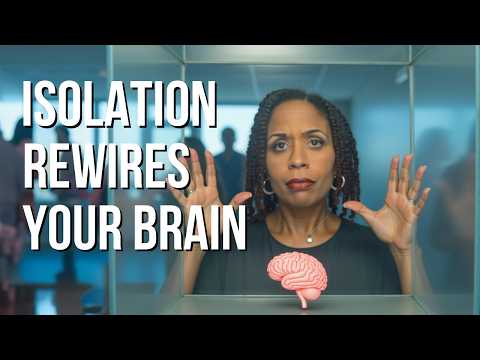
You know how sometimes you just want to crawl into your own little bubble? Totally get it. But here’s the kicker—staying in that bubble for too long can mess with your head.
Social isolation can feel like a cozy retreat, but it can also be a total trap. And the effects on mental health? Yikes. They’re real and pretty heavy.
I mean, who hasn’t felt down after being alone for ages? It’s like, one minute you’re fine, and the next you’re spiraling into thoughts that just won’t quit. Let’s chat about why this happens and what you can do about it.
Exploring the Impact of Social Isolation on Mental Health: Insights and Research PDF
Social isolation has become a hot topic in mental health discussions lately. Basically, it’s all about being alone or feeling disconnected from others, and it can have some pretty serious effects on your well-being. You know how sometimes, after a long day, you just want to kick back by yourself? That’s cool for a bit, but when it turns into weeks or months of solitude? That’s when the trouble can start.
Research shows that social isolation can lead to increased feelings of anxiety and depression. It’s like being stuck in a loop where negative thoughts just circle around your head without any break. Studies indicate that loneliness can actually heighten the risk of developing mental health disorders. So when you’re feeling isolated, it’s not just in your head; there are real consequences.
Think about it: when you’re socially connected—sharing laughs or even just casual chats—you feel supported. But if those connections are cut off or non-existent, that support system disappears.
These aren’t minor issues—they can really take a toll on daily life.
You might’ve heard stories about people during the pandemic who suddenly found themselves alone at home for long periods. A friend of mine shared how they felt utterly disconnected after working from home for months on end. They’d go days without real conversations with anyone outside their household! Sounds rough, right? This kind of scenario gives us a glimpse into how much we thrive on social interaction.
Another point worth mentioning is that social isolation affects physical health too! Yeah, it sounds wild but lack of social engagement can lead to things like heart disease and even lower immunity. The mind and body are closely linked, so neglecting one really impacts the other.
What researchers have found is also pretty interesting: different age groups react differently to isolation. For instance, older adults might face cognitive decline if they don’t stay socially active, while younger folks might struggle with identity issues due to a lack of peer interaction. That makes sense since our brains develop through our experiences with others.
So what do we do about this? Basically, recognizing the signs early on is crucial! Being aware that withdrawal from social situations isn’t just “temporary” is important for your mental health check-in. Besides reaching out to friends or community groups, there are therapeutic approaches like cognitive-behavioral therapy (CBT) that help address negative thoughts stemming from feelings of isolation.
In summary, understanding how social isolation impacts mental health is vital if we want to address these issues effectively. You deserve connections and community; those bonds play an essential role in keeping both your heart and mind healthy!
Understanding the Impact of Social Isolation on Mental Health: Key Insights and Solutions
Social isolation can feel like a heavy weight sitting on your chest. It’s not just about being alone; it’s about what that loneliness does to your mind. It can creep in slowly, or sometimes it hits you out of nowhere. Imagine sitting in a crowded room but still feeling completely isolated—it’s a tough spot to be in.
So, here’s the deal: when you’re socially isolated, your mental health can take a serious hit. You might start feeling anxious or depressed, and maybe even paranoid. Studies show that people who are isolated often experience increased levels of stress and anxiety. Your brain really craves social interaction, even if you don’t realize it at first.
Now let’s talk about some key impacts isolation can have on your mental health:
- Increased feelings of loneliness: This sounds obvious, but it goes deeper than you might think. Feeling lonely affects how you see yourself and your worth.
- Higher risk of depression: A lack of connection to others is linked with higher rates of depression. When you’re down in that pit, getting out can feel almost impossible.
- Anxiety spikes: When isolated, it’s easy for worries to magnify. You might start overthinking everything—like why someone hasn’t texted you back.
- Cognitive decline: Believe it or not, being alone too much can impact how well your brain functions over time. Social interactions actually keep our minds sharp!
- Poor physical health: Isolation doesn’t just mess with your head; it’s been linked to heart disease and other serious health issues.
You know that feeling when you’re stuck at home for days? Maybe during winter storms or when you’re sick? The walls start closing in a bit, right? That’s because human beings are inherently social creatures; we thrive on connection.
But what can you do? Finding ways to combat social isolation is crucial for maintaining good mental health. Here are some ideas that might help:
- Create virtual connections: Video calls with friends and family can go a long way. Seeing faces—even through screens—helps reduce feelings of isolation.
- Pursue hobbies: Dive into interests like painting or writing; they not only keep you busy but make you feel fulfilled.
- Join online communities: There are groups for nearly every interest out there! Whether it’s gaming or book clubs, connecting over shared interests can help break the cycle of loneliness.
- Sooner rather than later!: If you’re finding these feelings overwhelming, don’t hesitate to reach out to a professional therapist who gets it.
Just remember: reaching out is key! Also, don’t forget that being vulnerable is absolutely okay. Just sharing how you’re feeling with someone—anyone—can lighten that emotional load even just a little bit.
To sum it up: social isolation hurts more than just our hearts; it impacts our minds too. But there are ways to fight back against those feelings of loneliness and take steps toward connecting again. We’re all in this together!
The Hidden Dangers: Understanding the Negative Effects of Social Isolation on Mental Health
Social isolation can really take a toll on your mental health, and it’s not just about feeling lonely. You see, when people are isolated for long periods, whether due to circumstances like a pandemic or personal choices, it can lead to some pretty serious mental health issues. It’s kind of like being trapped in your own head without anyone to help you navigate through it.
One of the biggest risks is depression. When you’re alone, those negative thoughts can spiral out of control. It’s easy to think that no one cares or that things will never get better. A friend of mine went through this; she started working from home during the lockdown and found herself feeling increasingly sad and unmotivated. Without her usual social interactions, everything felt gray.
Then there’s anxiety. Being by yourself can heighten feelings of worry about the future or about what people think of you. It’s like being stuck in an echo chamber where all you hear are your worries bouncing around. With less social interaction, you might miss out on those reassuring conversations that remind you everything’s going to be alright.
Another important point is cognitive decline. Seriously! When you don’t use your brain socially, it might start to slow down. Engaging with friends helps keep your mind sharp; it’s like a workout for your brain! My uncle used to play board games with his buddies every week, but after moving away, he stopped playing altogether. He started forgetting small things more often—hearing him struggle with remembering names was hard.
Physical health also suffers—yup! Isolation can lead to poor lifestyle choices. You might end up snacking more and exercising less because nobody’s there to go for a walk with or encourage you. And let me tell you—it’s way too easy to scroll through endless social media feeds instead of getting up and moving around!
Lastly, there’s the risk of substance abuse. Some folks turn to alcohol or drugs as a way to cope with those lonely feelings. If you’re at home alone all day with nothing else going on, reaching for that bottle might seem tempting—but it only makes things worse in the long run.
So yeah, social isolation isn’t just a minor inconvenience; it can have some serious effects on mental health. The trick is recognizing those signs early and finding ways to stay connected—even if it means reaching out via video calls or social media instead of face-to-face chats—whatever works!
Social isolation is a heavy topic, and if you’ve ever felt that crushing loneliness, you know how real it can be. I remember a time when I was going through some tough stuff—like, I’d just moved to a new city and didn’t know anyone. It felt like being in a crowd but still standing alone, you know? That feeling sticks with you.
So, social isolation happens when people aren’t connected with others. Like, they might choose to withdraw, or sometimes life just kind of pushes them away from social circles. Ever notice how when someone is feeling down, they tend to pull back? It’s like a weird cycle: the more isolated you feel, the more anxious or depressed you become. And then it gets even harder to reach out for help.
When you’re isolated, your mind can go into overdrive. You start cycling through negative thoughts and feelings that can spiral out of control. It’s wild how loneliness can turn down all those emotional vibes and make everything feel heavier. It’s not just about feeling sad either; it can seriously affect things like your sleep patterns or even your immune system—how crazy is that?
The thing is, we’re wired for connection as humans. When we don’t get it, it messes with our mental health in ways we might not expect at all. You might start doubting yourself more or feel like you’re stuck in this fog where everything seems pointless.
And here’s an interesting bit: studies show that reaching out—even just sending a text—can create little sparks of joy and hope amid the darkness of isolation. It can feel daunting to put yourself out there again after pulling back for so long, but those tiny steps matter.
Seriously though? If you’re feeling isolated or know someone who is, don’t hesitate to reach out—even if it’s just a «hey». You never know how much it could mean for both of you! The world feels a little less heavy when we share our burdens together; it’s okay to ask for help or lean on someone else now and then.