So, let’s chat about something that doesn’t get enough attention—dry mouth. Yeah, I know, it sounds kinda boring. But if you’re taking Effexor for your mental health, it might be more like a persistent guest at your party, you know?
You’re not alone if you’ve noticed that Sahara Desert feel in your mouth. Seriously, a lot of folks on Effexor deal with this side effect. It can be annoying and kinda uncomfortable. Plus, it makes you worry about bad breath and dental issues. Not exactly what you want while navigating mental health treatment!
But don’t worry! We’ll take a look at why this happens and how to make it better. Because feeling good should include more than just your mood—it should feel good all around!
How to Alleviate Dry Mouth Caused by Venlafaxine: Effective Tips and Remedies
Dry mouth, or xerostomia, can be a real nuisance, especially if you’re on venlafaxine, known commonly by the brand name Effexor. This medication is often used to treat depression and anxiety, but one of the side effects can be that parched feeling in your mouth. So, what’s the deal? Let’s talk about some straightforward ways to help ease that uncomfortable dryness.
First off, hydration is key. Water is your best friend here. Keep a water bottle handy wherever you go. Seriously, sip on it throughout the day. This helps keep your mouth moist and flushes out any lingering taste.
Another good tip is to chew sugar-free gum or suck on sugar-free candies. This not only stimulates saliva production but also gives you something flavorful to nibble on when your mouth feels like a desert. Think of minty gum or lemon drops—super refreshing!
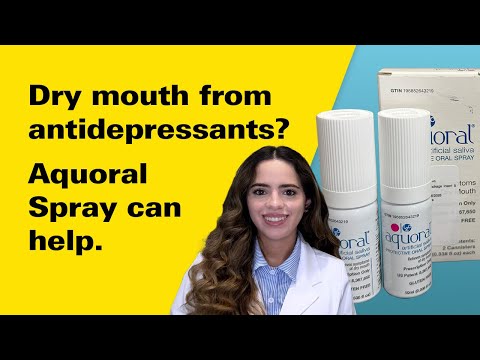
You might want to consider getting a saliva substitute too. These are over-the-counter products specifically designed to mimic natural saliva. They come in sprays or gel forms and can really help when things get too dry.
Also, watch what you eat! Some foods are better than others when it comes to dryness. Avoid salty snacks or overly spicy meals because they can make your mouth feel even dryer. Stick with soft foods that require less chewing and don’t irritate your mouth.
And don’t forget about the importance of oral hygiene! Keeping your teeth clean can help with dry mouth symptoms too. Brush regularly and use toothpaste designed for dry mouth if possible—it makes a difference!
A quick mention: if you’re feeling adventurous and don’t mind trying natural remedies, things like aloe vera juice can be soothing for some people when consumed in moderation—it’s like sipping on nature’s refreshment!
Lastly, do check in with your doctor or pharmacist about this side effect as they might have additional suggestions tailored just for you. Sometimes adjusting the dose or switching medications might be necessary, depending on how much this issue is impacting you.
So there you have it—some solid ideas for alleviating dry mouth while taking venlafaxine! Remember that little changes can lead to big comfort over time!
Understanding Effexor Side Effects: How Long for Relief?
So, let’s chat about Effexor and the side effects that can come along with it. You might have heard of Effexor if you’re dealing with depression or anxiety. It’s an antidepressant that works on neurotransmitters like serotonin and norepinephrine. But, just like any other medication, it has its share of side effects. One common one is dry mouth, and that can feel pretty annoying.
How does Effexor cause dry mouth? Well, what happens is that Effexor can mess with your body’s normal saliva production. This isn’t just a minor inconvenience; it can make eating or drinking feel uncomfortable. It’s kind of like that time you went hiking and forgot to bring enough water—you’re thirsty but can’t find any relief.
Now, if you’re wondering how long it takes for these side effects to show up, the timeline can vary. Some folks might start feeling dry mouth within a few days of starting the meds while others may not notice it until they’ve been on it for a bit longer—like a couple of weeks or so. It all depends on how your body reacts to the medication.
What can you do about it? Here are some things that might help:
- Stay hydrated: Drink plenty of water throughout the day. Keep a bottle with you wherever you go.
- Mouthwashes: Look for alcohol-free mouthwash or try saliva substitutes available at pharmacies.
- Candy: Sucking on sugar-free candies or chewing gum can stimulate saliva production.
- Avoid irritants: Cut back on caffeine and alcohol since they can worsen dryness.
You know, managing these side effects is important because they could impact your overall treatment experience. If you’re struggling too much with dry mouth—or really any side effect—it’s always worth talking to your doctor about alternatives or solutions they might recommend.
Finally, how long will you be on Effexor? That really depends on your specific situation and how well the medication works for you. Some people end up taking it for months or even years! But remember, medical advice from professionals is crucial here—don’t hesitate to reach out if something feels off!
So in short, yes, Effexor can bring some pesky side effects like dry mouth into your life when you’re trying to manage mental health issues—but there are definitely ways to tackle them head-on!
Understanding Dry Mouth: The Impact of Psychiatric Medications on Your Oral Health
So, you’ve been dealing with dry mouth, huh? It’s more common than you think, especially if you’re on medications like Effexor. This stuff is important because it can really affect your daily life, including your oral health. Let’s break it down.
When you take **psychiatric medications**, some of them can mess with your saliva production. Basically, saliva helps keep your mouth moist and protects your teeth and gums. When it’s low, like when taking Effexor (also known as venlafaxine), you might experience that annoying dry feeling in your mouth.
The thing is, inadequate saliva doesn’t just feel uncomfortable. It opens the door for a bunch of other problems:
- Increased risk of cavities: Saliva neutralizes acids from food and bacteria. Without it, you’re more likely to have tooth decay.
- Gum disease: Less moisture means more bacteria hanging around, which can lead to gum inflammation.
- Taste changes: You may notice that food doesn’t taste the same or that you’re less able to enjoy flavors.
- Difficulties in speaking and swallowing: A dry mouth makes these everyday tasks harder than they should be!
It’s pretty frustrating when a medication meant to help your mental health brings along side effects like this one. You might find yourself sipping water constantly or reaching for sugar-free gum just to cope.
Let’s bring in a personal touch here. I had a friend who was on Effexor for anxiety management. She really struggled with the dry mouth thing—would carry around a water bottle wherever she went! Sometimes she felt so self-conscious about it that she’d avoid social situations altogether. That’s tough!
So what can you do about it? Staying hydrated is key! Drink water throughout the day—no big surprise there! Also, consider using special mouthwashes that are designed for dry mouth; they can help stimulate saliva production and make things feel better.
And don’t skip those dental check-ups! Regular visits are crucial since your dentist can provide tips tailored to your situation or even suggest treatments specifically aimed at combatting dry mouth.
If the problem persists or seriously affects your quality of life, chat with your doctor or psychiatrist about it. There may be options available—like changing medications or adding something to help manage side effects—that could make a big difference.
In short, living with dry mouth due to psychiatric meds isn’t easy, but understanding why it happens can empower you to take action and keep those pearly whites healthy!
Dry mouth can be a real hassle, especially if you’re on medications like Effexor. You know, when you’re trying to focus on what’s important, and all you can think about is how parched your mouth feels? It can be pretty distracting.
So, Effexor—it’s this medication used for anxiety and depression. It works wonders for a lot of people, but like any med, it comes with its quirks. One of those is dry mouth. Imagine sitting in a meeting or catching up with friends and feeling like you’ve just eaten a handful of cotton balls. Seriously, it’s not the best feeling.
You might wonder why this happens. It has to do with how Effexor affects your neurotransmitters—particularly serotonin and norepinephrine. They play a crucial role in mood regulation but can also mess with saliva production. Not so fun when you’re trying to stay hydrated!
When I was on Effexor for a bit, I noticed my mouth felt consistently dry—it was annoying! There are ways to deal with it though. Sipping water throughout the day helps; keeping sugar-free gum or mints handy can also make a difference. Even just breathing through your nose instead of your mouth can help you feel less like you’re in the desert.
And here’s something interesting: it’s easy to overlook how much dry mouth affects your daily life until you really pay attention to it. If you’re eating out, maybe grab some extra water or choose softer foods that aren’t really dry already? It sounds simple but little adjustments can help make things smoother.
It’s all about finding what works best for you while navigating treatment—because managing side effects like dry mouth is just part of this journey toward better mental health. You’re not alone in this; figuring out these bumps along the way is totally normal!