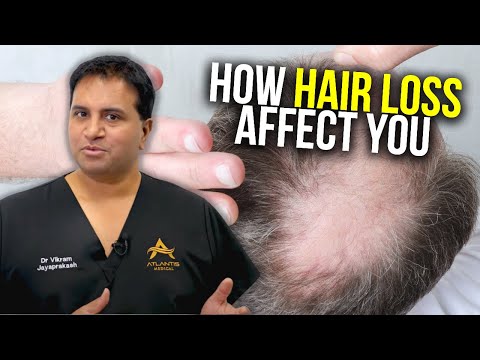
So, let’s talk about Effexor for a sec. You know that med some folks take for depression and anxiety? Yeah, it’s pretty popular. But here’s the thing—some people say it messes with their hair. Like, who wants to deal with that on top of everything else?
Picture this: you’re finally feeling better mentally, but then you notice more hair in your brush than usual. Ugh, right? It can seriously be a mind trip.
We’re gonna dig into how Effexor might affect your locks and your noggin’. It’s more than just vanity; it taps into deeper stuff about self-image and how we feel in our skin. So, stick around! You’ll want to hear this.
Exploring the Psychological Effects of Hair Loss: Understanding Emotional and Mental Health Impacts
Losing your hair, huh? It’s more common than you think. And while many people joke about it, the truth is that hair loss can have some serious psychological effects. It’s not just about looking different; it’s about how it makes you feel inside.
When hair starts thinning or falls out, a lot of emotions can bubble to the surface. Feelings like anxiety, sadness, and even anger often arise. You might be thinking, “Why is this happening to me?” That sense of loss can feel a bit like mourning someone, which is pretty intense.
Self-esteem issues are another biggie. Hair often plays a huge role in how we see ourselves. For some folks, it’s part of their identity. Losing that can really shake things up. Imagine someone who always wore their hair a certain way suddenly finding themselves with a completely different look—yeah, that could mess with your head.
Then there’s the social aspect. You might start avoiding social situations because you’re self-conscious about your appearance. It’s like this cycle: you feel bad about your hair loss, so you isolate yourself more, and that makes you feel even worse. It’s tough because the support system we lean on can sometimes be a double-edged sword. People might try to help but end up saying things that sting.
And let’s not forget about depression. In more severe cases, hair loss could lead to feelings of hopelessness or despair. A study showed that people experiencing significant hair loss reported higher rates of depression compared to those with full heads of hair. It’s real—it matters how we feel about our looks.
Medications like Effexor—which are often prescribed for anxiety and depression—can sometimes have side effects like hair loss too! If you’re using such treatments and experiencing this side effect, it can be frustrating and add another layer to those already complex feelings you’re dealing with.
You know what I find interesting? Some studies suggest that men may react differently than women when it comes to hair loss’s emotional impact. Men tend to take it in stride more often—though they still experience feelings of insecurity—while women may struggle drastically due to societal norms around beauty and femininity.
So basically, when looking at the psychological effects of hair loss—whether from genetics or side effects from medications—we’re talking about complex emotions that aren’t easy to manage alone.
- Emotional distress
- Self-esteem issues
- Social anxiety
- Possible depression
- Bigger deal for women due to beauty standards
It’s crucial to seek support if you’re feeling overwhelmed by these changes. Talking things over with friends or a therapist can help put things into perspective and make it all seem less daunting.
Identifying Early Signs of Hair Loss from Lexapro: What You Need to Know
Understanding the Connection Between Lexapro and Hair Loss
Hair loss can be tough to deal with, especially if you’re on medication like Lexapro. It’s a selective serotonin reuptake inhibitor (SSRI) often used to treat anxiety and depression. While it can work wonders for your mental health, some people notice changes in their hair. So, what should you look for?
What Are The Early Signs?
First things first: noticing hair thinning is pretty common with SSRIs. The thing is, people react differently to medications, so not everyone will experience hair loss.
- The most noticeable sign? You might see more hair on your pillow or in the shower drain after washing or brushing.
- If your hair feels thinner, that could be another clue. Sometimes, it’s not as full as it used to be.
- You might also notice bald patches. That’s less common but can happen.
- If you’re experiencing a lot of stress or anxiety—something that Lexapro is supposed to help—you might inadvertently notice hair issues becoming worse during stressful times.
Why Does This Happen?
Okay, so why could Lexapro lead to this? It’s not entirely clear how SSRIs mess with your lovely locks. Some theories suggest that altered hormone levels and blood flow due to medication could play a role. And remember: if depression or anxiety leads to stress, that could impact your hair as well.
What Can You Do?
If you’re worried about losing your hair while on Lexapro, it’s crucial to talk about it with your doctor. Don’t go off the medication without guidance! They may consider adjusting the dose or even switching you to another medication that doesn’t have this side effect.
It’s also suggested you keep an eye on things at home. For instance:
- Mention any changes in your hair growth patterns during regular doctor visits.
- Consider tracking your daily hair loss—keeping a journal can really help identify patterns.
- You might wanna check if there are any other factors contributing to the issue like diet or stress levels.
A Personal Anecdote
A friend of mine was on Lexapro for a couple of years. She started noticing her ponytail felt smaller over time and there seemed to be more strands around her bathroom sink. It freaked her out! After chatting with her doc about it, they decided to adjust her meds and she found one that didn’t affect her hair so much.
Wrapping Up
Hair loss from Lexapro isn’t something everyone experiences but being aware of those early signs can help you tackle any concerns quickly. Remember: communication with your healthcare provider is key here! They can help guide you through any changes you’re facing while maintaining your mental health stability—because that’s what’s really important at the end of the day.
Exploring Venlafaxine-Induced Hair Loss: Insights from Reddit Discussions
Venlafaxine>, commonly known as Effexor, is an antidepressant that many people take for depression, anxiety, and other mental health conditions. One topic that seems to pop up a lot on forums like Reddit is the concern about hair loss linked to this medication. It’s interesting how a single side effect can trigger such emotional responses and discussions.
People have reported varying experiences with hair loss>. For some, it’s been significant enough to affect their self-esteem. You know, like waking up and noticing more hair in the shower drain can be pretty distressing. One Reddit user described feeling like they were «losing a part of themselves» because it wasn’t just about the hair; it was about how they saw themselves in the world.
Now, let’s break down some reasons why this might happen. Venlafaxine affects serotonin and norepinephrine levels in the brain. While these neurotransmitters help with mood regulation, there’s speculation that they might also impact hair follicles somehow. But keep in mind: not everyone will experience this side effect.
In fact, when you chat with folks online, many report no changes at all regarding their hair after starting Venlafaxine. This leads to another important point: individual responses> to medications can vary wildly. Some might have smooth sailing while others face bumps along the way.
Within those Reddit threads, users often share their strategies for coping with hair loss while on Venlafaxine:
- Consulting a doctor>: Many emphasize talking to a healthcare professional if they notice changes.
- Taking breaks or switching meds>: Some have found relief by changing their medication under supervision.
- Hair growth products>: Others mention trying shampoos or supplements aimed at promoting hair health.
It’s important to remember that any change in medication should always be done carefully and with guidance from your doctor.
A key takeaway from all of this is mental health matters>. If you’re feeling down due to physical changes like hair loss, it makes sense to address those feelings too. Your mental well-being is interconnected with your physical appearance. This web of emotion can keep us stuck or even push us towards seeking help.
So if you or someone you know is dealing with Venlafaxine-induced hair loss—or any other concerning side effects—don’t hesitate to reach out for support. Whether it’s online communities or professionals who get it, there’s always someone who understands what you’re going through!
So, let’s chat about something that isn’t often the hot topic at parties—Effexor and hair loss. Yeah, you heard that right! Effexor, or venlafaxine if we wanna get all fancy, is an antidepressant that helps many people tackle anxiety and depression. But the thing is, it can also come with some surprising side effects, one of which can be hair loss.
Imagine this: You’re feeling hopeful because you finally found a medication that eases your worries. But then you notice more hair on your brush than usual. It’s like a punch to the gut. I remember a friend who went through this; she was super excited about starting her treatment but began freaking out when her ponytail got thinner by the week. Talk about stress on top of stress!
The psychological impact of losing hair can be huge! For some folks, it triggers feelings of self-doubt or even shame. It’s like you’re trying to feel better mentally but then facing an unexpected mirror challenge. And let’s be real here—hair often plays such a big part in how we view ourselves, right? When someone starts losing it, it might feel like they’re fighting two battles at once: one against their mental health struggles and the other against their appearance.
When discussing this with your doctor or therapist, it’s important to bring up any side effects you’re experiencing—even if they seem trivial or embarrassing! They might have ideas for adjustments or alternatives that can help manage both your mood and minimize hair loss.
At the end of the day, finding balance in treating mental health is key. You want to feel good inside and out. And while Effexor works for so many people, keeping an open dialogue about side effects will help ensure you’re on a path that feels right for you—where both your mind and hair can thrive together! Keep that chin up; it’s okay to seek help when things get tough!