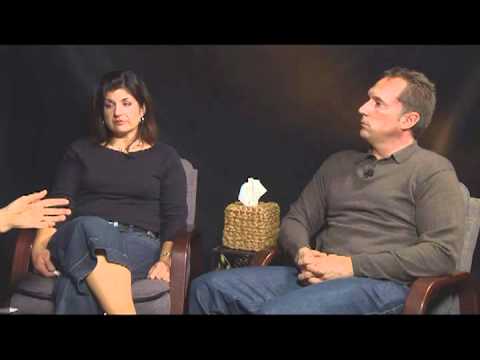
You know how relationships can hit rough patches? It’s like you’re suddenly speaking different languages. Frustrating, right?
That’s where EFT couples therapy comes in.
It’s all about healing those connections. Picture this: a cozy therapy room, and you’re sitting together, but instead of arguing, you’re learning to really listen.
It sounds kind of magical, doesn’t it?
The thing is, every couple struggles at some point. But with the right tools, you can find your way back to each other.
Let’s unpack this whole thing together!
Transforming Relationships: How EFT Couples Therapy Can Heal Your Connection
Transforming Relationships can feel like a daunting task, especially when things seem to be spiraling. You might find yourself feeling disconnected or misunderstood in your relationship, and that’s where EFT couples therapy comes into play.
EFT, or Emotionally Focused Therapy, is all about understanding and expressing feelings. It’s like having a roadmap for navigating the sometimes rocky terrain of emotions. Think of it as a way to peel back the layers of hurt and confusion that can build up over time. This therapy is specifically designed to help couples strengthen their emotional bonds.
One key part of EFT is recognizing the patterns that cause tension between you and your partner. Couples often get stuck in cycles of negativity—maybe you lash out when you feel hurt, but your partner reacts by shutting down. That just leads to more distance! With EFT, a trained therapist helps identify these cycles and guides you in breaking free from them.
Once those negative patterns are clear, emotion is at the center. The therapist encourages open communication about feelings—yeah, even the tough ones. You might share how certain actions make you feel rejected or unheard. It sounds simple, but honestly? It’s powerful stuff! When both partners express their emotions openly, it creates space for understanding and healing.
Another great aspect of EFT is building security within the relationship. You’ll work on forming new responses to each other’s needs—like comforting your partner instead of getting defensive when they express frustration. That way, you both become more sensitive to each other’s feelings and desires.
Let’s say one partner often feels neglected during stressful times at work. In a typical conversation, this might turn into accusations or silent treatments. But in EFT, they’d learn to express this need for connection instead: “I need some reassurance from you right now.” Simple phrases can create bridges rather than walls!
Over time, couples often realize that their relationship can be safe enough for vulnerability. Knowing your partner will respond supportively makes it easier to share fears or insecurities without fear of judgment.
Another important thing? EFT doesn’t just focus on fixing problems; it also fosters joy and connection! You’ll spend time discovering what brings pleasure or bonding moments back into your life together—a shared laugh over old memories or discovering new hobbies as a team.
In some cases, couples find they’ve gained much more than improved communication—they rediscover love! The shifts in how they relate not only heal wounds but also rekindle affection that may have dimmed over time.
To wrap it up: Healing relationships through EFT couples therapy isn’t about changing who you are; it’s about altering how you relate to each other emotionally. With time and effort—some tears along the way—you’ll create a deeper emotional connection built on trust and empathy.
So if you’re feeling stuck in an emotional rut with someone special? Consider giving EFT a shot—it could change everything for the better!
Enhance Your Relationship: Effective EFT Couples Therapy Worksheets for Improved Communication
Couples therapy can feel like a daunting process, but it can also be a great opportunity for healing and growth. When we talk about **Emotionally Focused Therapy (EFT)**, we’re looking at a method that really digs into the emotional bond between partners. It’s about understanding your feelings, expressing them, and connecting in healthier ways.
You know how sometimes you read something and think, «Wow, that’s exactly how I feel»? That’s what EFT aims to do—help you put words to those feelings. It focuses on improving communication and reconnecting with your partner by identifying patterns that are causing conflict.
Now, let’s get into some practical stuff—like worksheets! These tools can help guide conversations in therapy or even at home. Think of them as a roadmap for navigating tricky emotional territory.
- Emotion Identification: This is where you both write down your feelings during conflicts. Say one partner feels «ignored» while the other feels «overwhelmed.» Recognizing these emotions is the first step.
- Communication Skills: Try practicing active listening through structured prompts. For example, one person speaks while the other listens without interrupting. Then they switch roles. It’s like a verbal dance!
- Attachment Styles: Understanding each other’s attachment styles can be enlightening. Are you anxious? Avoidant? Knowing this helps you see why conflicts arise and how to handle them better.
- Positive Interactions: Create a list of things you appreciate about each other. This isn’t just fluff; it boosts positivity and reminds you both why you’re together.
- Conflict Resolution Strategies: You can develop rules for arguing—like no name-calling or taking time-outs if things get too heated. Set those boundaries early!
If you’re feeling skeptical about worksheets, think back to a time when you had an argument that spiraled out of control. Maybe you said things you didn’t mean or completely misunderstood each other’s points of view. Worksheets help keep things focused and productive instead of letting emotions take charge.
Remember that healing takes time and effort from both sides. It’s okay to stumble along the way; what’s important is getting back on track together. So maybe give EFT a chance? It might just shift how you see each other—and your relationship could emerge stronger than ever!
Unlocking Connection: A Comprehensive Guide to Emotionally Focused Couples Therapy (PDF)
Emotionally Focused Couples Therapy, or EFT for short, is a powerful approach to help couples reconnect and heal. It focuses on emotions as the starting point for understanding relationship dynamics. The thing is, relationships can get tangled up in misunderstandings and hurt feelings, making it tough for partners to feel connected.
What Is EFT?
EFT is based on the idea that emotional bonds are at the core of romantic relationships. Developed by Dr. Sue Johnson in the 1980s, it emphasizes understanding emotions and how they play into attachment. You know how sometimes you just feel distant from your partner? This therapy helps address those feelings head-on.
Three Stages of EFT
In this therapy, there are three main stages that couples typically go through:
Why Does It Work?
The beauty of EFT lies in its focus on creating secure attachments between partners. Think about it: when we feel safe emotionally, we’re more likely to communicate honestly and openly. A close friend of mine once attended couple’s therapy with his partner. They felt stuck until they learned how to articulate their needs without fear—and everything changed.
The Therapist’s Role
An EFT therapist acts like a guide through the sticky parts of these conversations. They create a safe space where both partners can express their feelings without judgment. So if one partner often ends up feeling invalidated or unheard? The therapist can help bridge that gap.
If You’re Thinking About It
You might be wondering if this could work for you and your partner. Well, it’s not just for couples who are at odds—this approach is also great for couples looking to deepen their emotional connection! So even if things seem fine but could use a little spark? Don’t hesitate to explore EFT.
In this process, couples learn valuable skills that last beyond therapy sessions too; it’s about teaching ways to handle conflicts as they arise later on—not just fixing problems but building a solid foundation together.
If you’re curious about diving deeper into Emotionally Focused Couples Therapy, lots of resources dive into specifics—like PDF guides that outline what each stage involves or worksheets that help clarify thoughts and feelings during sessions. Those can be really useful!
Ultimately, whether you’re facing challenges or just want to strengthen your relationship bonds, EFT offers a compassionate path toward healing together as partners—one emotional step at a time!
You know, relationships can be a real rollercoaster sometimes. I mean, we all have our ups and downs. But, when things get tough, it can feel like you’re stuck in this endless loop of misunderstandings and hurt feelings. That’s where EFT couples therapy comes in.
EFT stands for Emotionally Focused Therapy, and it’s all about helping couples connect on a deeper emotional level. The idea is that when you get to the heart of your emotions—like fear, sadness, or even joy—you can actually start to change those negative patterns in your relationship.
Let me tell you about a couple I know—a friend of mine named Sarah and her partner Tom. They loved each other but often found themselves arguing over little things. It was like they were just pushing each other’s buttons unintentionally. A therapist suggested they try EFT couples therapy, and honestly? It was a game changer.
Through EFT, they began to uncover feelings they hadn’t even realized were impacting their relationship. What happens is, they learned to express their vulnerabilities without fear of judgment or backlash from each other. Sarah would say things like “I feel alone when you’re on your phone during dinner” instead of just getting mad and storming off. Tom opened up about his childhood fears of being rejected—that stuff hit close to home.
As they learned to communicate differently, something amazing happened: their bond strengthened! They started feeling more secure in their relationship because they were finally seeing each other for who they really were—flaws and all.
But hey! EFT isn’t just magic dust; it takes work from both sides. You’ve gotta be willing to dig deep into those emotions. Sometimes it feels uncomfortable or even scary, but the payoff can be massive! Couples often end up feeling more connected than they ever thought possible.
It’s pretty incredible how healing relationships through this type of therapy isn’t just about fixing what’s broken—it’s about creating something stronger together. So if you’re feeling stuck with your partner, maybe check out EFT? Might surprise you what comes out when you start talking about feelings instead of arguments!