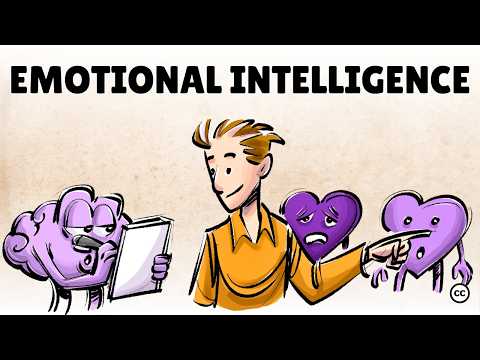
You know when you just feel off? Like, your mood swings are all over the place, and you can’t quite figure out why?
Yeah, it happens to the best of us. And that’s where emotional intelligence comes into play. It’s like your inner compass for navigating those tricky feelings.
Imagine being able to chill out during a heated moment or, better yet, helping someone else calm down when they’re all worked up. Pretty cool, right?
Emotional intelligence is more than just a buzzword. It’s about understanding yourself and connecting with others on a deeper level.
So let’s explore how jacking up our emotional smarts can seriously elevate our mental health. Sound good?
Exploring the Connection Between Emotional Intelligence and Mental Health: Key Insights and Benefits
Emotional Intelligence (EI) is all about understanding your own emotions and those of others. You know how when you’re talking to a friend, you can feel their vibe? That’s a piece of emotional intelligence in action! It’s not just about being nice; it’s the skill to recognize feelings, manage them, and use that understanding to navigate social situations better.
So, why does this matter for mental health? Well, emotional intelligence can benefit you in tons of ways. It helps you handle stress more effectively. You might remember a time when you felt overwhelmed at work or school. If you’re tuned into your emotions, you’re more likely to identify that stress early and take steps to cope with it—like taking a break or chatting with someone supportive.
When EI is high, people can check in with themselves better. That’s key for preventing issues like anxiety or depression. For instance, if you’re feeling off but can’t quite put your finger on it, being emotionally intelligent means you’ll ask yourself what’s going on beneath the surface rather than brush it aside.
Here are some insights on the connection between EI and mental health:
- Better Relationships: The ability to empathize helps you build stronger connections with others. This support network is crucial for improved mental well-being.
- Improved Self-Regulation: You learn how to manage your reactions in tough situations instead of lashing out or bottling things up.
- Increased Resilience: Emotionally intelligent folks bounce back from setbacks faster because they understand their feelings and aren’t afraid to face them.
- Enhanced Communication: You express your needs and feelings clearly. This decreases misunderstandings and can prevent conflicts that lead to stress.
Imagine a moment when you had a tough conversation with someone close to you. Maybe it was about something important—like their behavior affecting your mood. If you’re comfortable expressing how you feel without blaming them outright, there’s a much better chance of working through the issue together.
Now think about managing your emotions during stressful events. Say you’re giving a presentation at work—your heart races, palms get sweaty! With emotional intelligence, instead of panicking, you’d acknowledge those feelings but remind yourself that it’s okay to feel anxious—it’s totally normal! That self-awareness helps calm the nerves.
In practice, developing emotional intelligence involves several strategies like practicing mindfulness or reflecting on past interactions. These techniques help build empathy and improve self-awareness over time.
So yes, focusing on emotional intelligence isn’t just “nice-to-have” stuff; it’s super relevant for maintaining good mental health! When you understand emotions better—both yours and others’—you’re paving the way for healthier relationships and greater resilience against life’s ups and downs.
Understanding Emotional Intelligence: A Comprehensive PDF Guide to Enhancing Mental Health
Emotional intelligence, often dubbed EQ, is basically your ability to recognize, understand, and manage your own emotions while also being able to recognize and influence the emotions of others. Think of it like having a superpower for dealing with feelings—yours and those around you.
Why’s this important? Well, a high EQ can totally elevate your mental health. When you’re in tune with your feelings, you can manage stress better, relate to others more effectively, and even make more thoughtful choices. It’s like tuning an instrument—you get better music when everything’s harmonized.
Components of Emotional Intelligence
So, what makes up emotional intelligence? There are a few key elements:
You know those moments when you’re talking to someone and just get them? That’s empathy in action! Or consider the times you’ve felt overwhelmed—if you recognized that emotion quickly, maybe you’d have found a way to cope sooner.
The Benefits on Mental Health
So why should you care about enhancing your emotional intelligence? Here’s the deal:
– Greater self-control means fewer impulsive decisions that could lead to regret.
– Improved relationships come from better understanding both yourself and others.
– Enhanced ability to handle stress creates resilience when life gets tough.
Imagine waking up one day feeling ready for whatever comes at you because you’re aware of how to handle those pesky emotions. That’s the power of EQ!
Practicing Emotional Intelligence
Becoming more emotionally intelligent isn’t magic; it takes practice! Here are some ideas:
Thinking back on my own experiences, there was this time I faced a major work project deadline. I was all over the place emotionally—stress eating snacks like they were my only friends! But then I recognized that panic creeping in. Taking time out to pause helped me focus and knock it out smoothly instead.
Emotional intelligence is an ongoing journey—it doesn’t have a finish line but enriches your life every step of the way! By diving deep into understanding both yourself and others through emotional intelligence, you’re not only enhancing mental health but also unlocking richer life experiences along the way.
Unlocking Emotional Intelligence and Resilience: A Comprehensive PDF Guide
Emotional Intelligence (EI) and resilience are huge parts of mental health. They help us manage our feelings, deal with stress, and connect with others. So, let’s break this down a bit.
What is Emotional Intelligence?
It’s basically your ability to recognize, understand, and manage your own emotions while also being aware of others’ feelings. Think of it like having a superpower that helps you navigate social situations more smoothly.
- Self-Awareness: This means knowing what you’re feeling and why. When you’re aware of your emotions, you can control them better.
- Self-Regulation: Once you know how you feel, the next step is managing those feelings. Instead of reacting impulsively when you’re angry or anxious, you take a moment to breathe and think.
- Empathy: This is about being able to understand what others feel. Imagine a friend who just lost their job; empathizing helps you say the right thing at the right time.
- Social Skills: Good social skills allow you to communicate effectively and build strong relationships. It’s not just about talking; it’s about listening too.
Now, onto resilience. Resilience is your ability to bounce back from setbacks or tough times. Life throws curveballs at us all the time—like losing something or dealing with stress—and resilience is how we cope.
- A Positive Mindset: Viewing challenges as opportunities for growth can really change how you handle stressors.
- Coping Strategies: Developing tools like mindfulness or breathing exercises can help ground you in difficult moments.
- Sustaining Relationships: Having a support system makes tough times easier to bear. Friends and family can provide the backbone when life gets heavy.
So why does all this matter for mental health? Well, improving your emotional intelligence can lead to better relationships at work and home. When you’re emotionally intelligent, you’re less likely to get overwhelmed by life’s pressures—this builds resilience over time.
Picture this: You’re having a bad day at work because everything seems to go wrong… deadlines are piling up, and then someone snaps at you over something minor. Instead of lashing out in frustration (which we’ve all done), if you’ve got high emotional intelligence, you’d pause to realize they might be struggling too—maybe they’ve had their own rough day!
Emotional intelligence and resilience don’t just happen overnight; they need practice! You could start small by reflecting on your daily interactions—what went well? What could’ve gone better?
In short—being emotionally intelligent helps in understanding yourself and others better while resilience allows you to handle life’s ups and downs without losing your cool completely.
When it comes down to it, focusing on these skills can elevate your mental health considerably! It’s all connected—you grow in one area; it often reflects positively in another!
You know, when it comes to mental health, there’s this thing called emotional intelligence that really deserves some spotlight. It’s like that secret sauce you didn’t know you needed in the recipe of life. Basically, it’s about understanding your own emotions and, more importantly, the emotions of others.
I remember a time when I had a friend who was going through a tough patch. He was super anxious all the time—heart racing, constantly checking his phone for reassurance. At first, I didn’t quite know how to help him. But as I began to realize what he was feeling—like really feel it—I started responding in ways that made him feel seen and understood. That emotional connection? It changed everything for us both.
When you cultivate emotional intelligence, it’s like turning on a light in a dim room. You start recognizing patterns—not just in your own feelings but also in those around you. Ever notice how sometimes just acknowledging someone else’s feelings can help? Like when someone feels sad or stressed, and you just sit with them for a bit? That can lift heavy weights off their shoulders.
And here’s the kicker: having strong emotional intelligence can totally elevate your own mental health too! It gives you tools to manage stress and improve relationships. You get better at dealing with conflict because you’re not just reacting; you’re thinking about what everyone is feeling, including yourself.
The real magic happens when you apply this in everyday situations—not just big crises but small interactions too. Whether it’s chatting with coworkers or hanging out with friends, being emotionally intelligent helps create an atmosphere where everyone feels valued and supported.
So really, building your emotional smarts isn’t just about making the world easier; it’s about making your own experience richer and more connected too. It feels good to be able to understand ourselves better while helping others feel understood as well. A win-win if there ever was one!