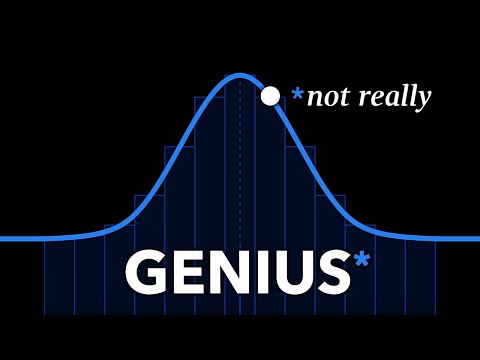
So, you’ve probably heard about Einstein’s IQ test, right? It’s famous for measuring smarts and all that jazz. But the thing is, there’s more to it than just numbers.
I mean, can we really boil down a person’s worth or potential to a single score? That’s kind of wild when you think about it. Like, what if someone with a “low” score is just super creative or emotionally intelligent?
And hey, these tests have a sneaky influence on mental health too. They can affect how we see ourselves and others. Instead of just being a test, it becomes something way bigger—a piece of our identity.
Curious? Let’s unpack how this all ties into mental health and what it means for us in the long run!
Exploring the Flaws: Key Issues with IQ Tests in Psychology
When we chat about IQ tests, it’s easy to think they paint a clear picture of someone’s intelligence. But there are some serious flaws lurking in the background, and they can affect how we view mental health too.
One major issue is that these tests don’t capture the full spectrum of human intelligence. You know, life is way more than just numbers on a test score sheet. There are different kinds of smarts—like emotional intelligence or creative thinking—that an IQ test simply ignores. So, if you bomb that test, it doesn’t mean you aren’t bright in your own way.
Another big flaw is cultural bias. Some questions might favor certain backgrounds or experiences over others. Picture this: you’re taking an IQ test and get asked something about a cultural reference that means nothing to you but might be super obvious to someone else. It’s not fair, right? This can lead to lower scores for people from diverse backgrounds who might actually be brilliant in their own context.
And then there’s the pressure! Tests can really stress people out, which messes with their performance and overall mental well-being. Imagine feeling anxious about how you’ll score before even starting the test! That anxiety can skew results and make it hard to see someone’s true potential.
Also, let’s not forget the fact that IQ tests were often linked to eugenics back in the day, which is a whole other bag of worms. This historical backdrop taints how we view these tests today because it raises ethical questions about who gets deemed “intelligent” and who doesn’t based on arbitrary measures.
Lastly, there are different types of intelligence that aren’t measured at all by IQ tests! Things like practical problem-solving skills or social skills—those can be incredibly important in real life but don’t show up anywhere on your standard IQ test sheet.
So yeah, while IQ tests have their place in psychology, they definitely shouldn’t be taken as the end-all-be-all when defining someone’s worth or capabilities. We really need broader perspectives to appreciate what someone brings to the table—because everyone has unique talents that don’t always come through in a single number!
Understanding IQ Scores: Their Role and Impact in Psychology
Understanding IQ scores is kind of like peeling an onion—there are layers to it, and sometimes it makes you cry a little. IQ, or Intelligence Quotient, is a number that’s supposed to reflect your cognitive abilities compared to others. It’s been around for ages, and while it can give some insight into your mental faculties, it’s not the whole story.
When you look at an IQ score, what you’re really getting is one way of measuring intelligence. Typically, these scores are designed to evaluate things like problem-solving skills, logical reasoning, and sometimes verbal abilities. But here’s the catch: they don’t account for creativity or emotional intelligence. So if you scored low on an IQ test, it doesn’t mean you’re not smart in other ways—maybe you’re just great at making people laugh or painting beautiful pictures.
Talking about Einstein brings us into this mix too! You know how he’s often cited as having a super high IQ? Well, his score was estimated around 160. While that’s impressive and definitely places him in the «genius» category, the thing is that those numbers don’t define his contributions to science and humanity. His creativity and ability to think outside the box were equally as important as any number.
Now let’s touch on how these scores can impact mental health. People often tie their self-worth to their IQ; if they don’t score well, they might feel inadequate or anxious about their future prospects. That can lead to stress and even depression in some cases.
- Social Comparison: If someone hears their friend got a 130 while they got a 90, they might feel inferior.
- Pressure: High-achieving students often feel pressured to maintain their status or exceed expectations based on their IQ.
- Misperceptions: People might assume that a low score means someone isn’t capable of success in life.
Also worth mentioning is that not all schools use these tests in the same way anymore. Some educators argue they shouldn’t be the be-all-end-all when measuring potential. They’re pushing for assessments that consider various strengths instead of justnumbers.
What happens when someone is labeled based solely on their IQ? It can create stigmas—like thinking someone with a lower score can’t become successful. That’s not just misleading; it’s harmful!
There’s also been criticism about how cultural biases affect test outcomes. Imagine taking a math test written by someone from another country that uses references unfamiliar to you—it’s going to skew your score! That means there’s more than just brainpower involved here; context matters too.
In short, IQ scores have value but also come with limitations and risks attached them. They shouldn’t define who you are or what you can achieve in life—you’re more than just a number! Keep this in mind: our world needs all kinds of intelligence; being smart isn’t one-size-fits-all!
Understanding the Role of IQ Tests in Psychology: Why Psychologists Use Them for Assessment
Let’s chat about IQ tests and what they really mean in psychology. You might’ve heard that Albert Einstein had a super high IQ, and that got me thinking. Like, why do psychologists even use these tests for assessments?
First off, IQ tests are designed to measure a range of cognitive abilities. They look at things like problem-solving skills, reasoning, and memory. Basically, they help paint a picture of someone’s intellectual potential.
Now, psychologists use these tests for several reasons. Here’s a quick rundown:
- Identifying Learning Disabilities: Some folks might struggle in school or with everyday tasks because they have learning disabilities. An IQ test can help pinpoint where the difficulties lie.
- Assessing Cognitive Functioning: After an injury or illness, like a stroke, doctors might use an IQ test to see how well someone is doing cognitively.
- Guiding Educational Placement: Schools often use IQ scores to decide if a child needs special education services or should be placed in gifted programs.
- Understanding Mental Health Conditions: Some mental health conditions can impact cognitive abilities. Psychologists can gain insights into things like depression or anxiety through testing.
But here’s the kicker: an IQ score doesn’t define your worth or potential. You could have a brilliant score and still struggle socially or emotionally—seriously! Many smart folks have had their share of issues.
Think about it this way: There’s this idea called the “Multiple Intelligences Theory” by Howard Gardner that suggests intelligence isn’t just about logical reasoning or academic skills. It includes musical talent, interpersonal skills, and more! So when someone says “I’m not smart,” it might just mean they excel in other areas.
Now back to Einstein—his high IQ might’ve indicated exceptional analytical thinking skills. But let’s face it; emotional intelligence also plays a huge role in success and happiness, something often overlooked by traditional IQ tests.
So when you hear about these tests being used in psychology, remember that while they’re useful tools for assessment, they’re just one piece of a bigger puzzle. The key is integrating all kinds of intelligence and understanding that everyone has unique strengths and challenges.
In the end, whether you’re scoring high on an IQ test or not, what truly matters is how we relate to ourselves and each other—and that’s where real growth happens!
You know, there’s this intriguing story floating around about Albert Einstein and his IQ test results. It’s said he scored around 160, which is, like, superhuman intelligence. People today really latch onto that. They think if you’ve got a high IQ, you’re destined for greatness, or at least a life filled with success and happiness. But here’s the thing: intelligence isn’t everything.
I remember chatting with a friend who was feeling down after taking an IQ test and not scoring as high as he expected. He kept saying stuff like, “I’m not smart enough” or “I’ll never achieve anything.” It broke my heart a little because his worth was tied to that number in a way that completely overshadowed his talents and qualities. And honestly? That’s where we run into trouble.
When we equate IQ with value, it can mess with our mental health like nobody’s business. Most of us have heard stories about high-IQ folks who struggle socially or emotionally. Einstein himself faced challenges—he was once considered a slow learner! So the idea that intelligence guarantees happiness or success? Yeah, it doesn’t quite hold up under scrutiny.
Mental health is more about how we cope with life’s ups and downs rather than some magic number defining our worth or potential. Emotional intelligence—how we manage our feelings and connect with others—plays such a big role in our overall happiness.
So what happens is this: when people focus too heavily on those scores and labels, they often forget to celebrate their unique strengths or what makes them who they are. You can be brilliant in one area but totally lost in another; still valid! High IQ? Sure! But let’s not forget that empathy, creativity, resilience—they matter just as much.
Anyway, it all circles back to this: maybe instead of worrying about where we fall on an arbitrary scale of intelligence, we should be fostering connections and understanding ourselves better. In the end? It’s those relationships and self-acceptance that truly impact mental health. So whether you’re Einstein-level smart or just working through your own stuff daily—remember that you’re more than just a number!