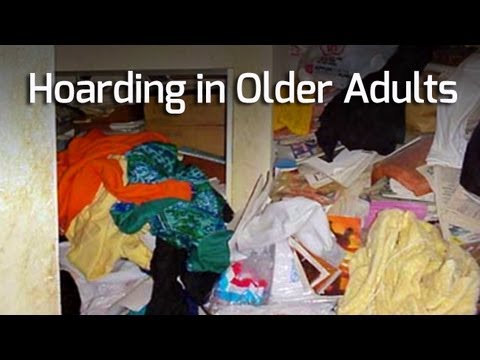
Hoarding isn’t just a quirky habit. It’s way more complex, especially when you’re talking about the elderly.
Imagine your grandma’s attic overflowing with newspapers and old knick-knacks. It feels like a treasure trove, right? But for her, it might be something deeper—something tied to emotions and memories.
You see, hoarding can happen for all sorts of reasons. Maybe they’re holding onto pieces of the past or just feeling overwhelmed by life changes.
Understanding this behavior is super important when it comes to caring for them. So let’s explore what’s going on in their minds and how we can help them in a loving way!
Understanding the Psychological Factors Behind Hoarding: Causes and Insights
Hoarding can be a tricky topic, especially when it comes to the elderly. You might wonder why someone would hold onto things that seem useless. Well, there are some pretty interesting psychological factors at play here.
First off, hoarding is often linked to anxiety and fear. It’s like a safety blanket. For many older folks, their possessions give them a sense of control in a world that can feel overwhelming. Imagine going through life’s changes—like losing loved ones or moving into a smaller place—and suddenly everything feels uncertain. Keeping stuff around can feel comforting, like holding onto memories.
Another important factor is **past experiences**. Some elderly people might have lived through tough times when resources were scarce. Maybe they grew up during the Great Depression or faced significant financial struggles at some point. This can lead to an intense fear of throwing things away, even if they don’t need them anymore. It’s like they’re afraid of running out again.
Then there’s the impact of **cognitive decline**. As we age, our brains change—it’s just part of life! Some elderly individuals might not fully grasp the consequences of their hoarding behavior or even recognize the clutter as a problem. This lack of insight can make it hard for them to let things go.
Don’t forget about emotional connections too! For some seniors, belongings carry significant memories or emotional weight—like an old toy from childhood or clothing from a late spouse. Throwing these items away can feel like losing those cherished moments all over again.
And let’s talk about the **social isolation** factor. Many elderly people experience loneliness and disconnect as their social networks shrink over time. Hoarding can become a coping mechanism—they stockpile items as a way to fill that void in their lives, creating an environment that feels like company.
Now, how does this relate to care? Understanding these psychological factors is key for anyone helping an older adult with hoarding issues:
- Approach with empathy: Recognize their fears and feelings attached to objects.
- Encourage gradual change: Instead of forcing decluttering all at once— which may create panic—take small steps.
- Offer support: Help them see the *value* in letting go without pushing too hard.
- Seek professional help: Sometimes therapy or counseling can really make a difference in dealing with underlying issues.
Each person is different; what works for one might not work for another. But understanding where they’re coming from definitely helps pave the road toward healthier habits and improved well-being!
Compassionate Strategies for Helping Hoarding Elderly Parents: A Guide for Caregivers
Helping elderly parents who hoard can be really tough. It’s not just about cleaning up the mess; it’s about understanding why they do it. Hoarding often stems from deep emotional issues like anxiety, depression, or a need for control. So, if you’re caring for a parent who struggles with this, you need some compassionate strategies to make things easier.
First off, patience is key. When approaching the topic of their stuff, remember that this isn’t just clutter to them—it holds memories and feelings. Start by having gentle conversations about their belongings. Instead of saying “You need to get rid of this,” try something softer like, “I noticed there’s a lot of stuff here. How do you feel about it?” This opens the door for dialogue.
Another important tactic is to set small goals. It can be overwhelming to think about decluttering an entire home. Pick one area—like a single room or even just a corner—and focus on that together. Celebrate small victories! Did they let go of ten items? That’s awesome! Acknowledge that progress can take time, and every little bit counts.
Incorporating emotional support is vital too. Sometimes hoarding ties back to feelings of loss or insecurity. Ask open-ended questions that invite them to share their thoughts and feelings. For instance, “What does this item mean to you?” Listening shows respect for their emotions and builds trust between you.
Establishing a routine can help. Try setting aside specific times each week dedicated to sorting through items together. Consistency can provide comfort and predictability in what might feel like chaos. Make sure they know these sessions are a priority for you so they don’t feel alone in the process.
Also consider involving professional help. A therapist trained in hoarding behavior can offer valuable insights and strategies tailored specifically for your parent’s situation. Plus, organizing specialists might help tackle the physical side without emotional baggage getting heavy.
But don’t forget about your own well-being! Caregiving is challenging and sometimes draining emotionally and physically. Make sure you’re taking care of yourself too by finding support among friends or other caregivers who understand what you’re going through.
Recognizing warnings signs is crucial as well. If there are safety concerns—like piles blocking exits or fire hazards—it might be necessary to step in more firmly or alert authorities if needed. Safety first!
Finally, always remind your parents that they are not alone in this process—their home doesn’t define them; it’s okay to ask for help.; everyone deserves compassion no matter how messy life gets!
In summary:
- Be patient.
- Set small goals.
- Provide emotional support.
- Create routines.
- Seek professional help if needed.
- Your well-being matters too!
- Watch out for safety issues.
Taking these steps with love will not only help your parent but also strengthen your bond as you navigate this sensitive journey together.
Understanding Senior Hoarding Syndrome: Causes, Symptoms, and Solutions
Understanding Senior Hoarding Syndrome can feel pretty overwhelming, especially when you realize how complex it can be. So let’s break it down. Hoarding is more than just keeping a few extra things around your house. It’s a real mental health condition that often escalates as people age. You may notice clutter piling up, but the reasons behind it go much deeper.
First off, one of the main causes of hoarding in seniors is often linked to life changes. Think about all the transitions many older folks go through—like retirement, losing loved ones, or moving to a new place. These changes can trigger feelings of loss or instability which might lead them to hold onto things for comfort or security.
Now, when we talk about symptoms, it’s not just about having a bunch of stuff lying around. It can manifest in different ways:
- Severe clutter: Rooms filled with items making them unusable.
- Difficulties discarding: The inability to throw away anything, no matter how trivial.
- A strong emotional attachment: Feeling distressed at the thought of getting rid of items.
- Bizarre reasoning: Believing that certain items will one day be useful or have special significance.
You know what? I once had a friend whose grandmother was an avid collector. Her home looked like something out of a reality show—piles and piles of newspapers and old magazines everywhere! She wouldn’t let anyone help her clean up because each piece was “important” in her eyes.
When it comes to solutions for senior hoarders, tackling this issue requires patience and understanding. Sometimes families might jump straight into cleaning mode, but that often backfires since it can make the person feel worse.
Instead, effective **strategies** include:
- Open communication: Start discussions about their possessions without judgement.
- Therapy options: Cognitive Behavioral Therapy (CBT) has shown promise in helping hoarders change their thought patterns.
- Pacing: Take small steps toward decluttering; don’t overwhelm them with big clean-outs all at once.
- Support groups: Connecting with others dealing with similar situations can provide much-needed support.
Remembering to approach this situation with empathy is vital because hoarding isn’t just about physical belongings; it’s often tied to emotional needs and memories. Finding balance between helping them declutter and respecting their feelings is key.
In wrapping this up, senior hoarding syndrome is complicated for sure. Understanding the underlying causes helps us connect better with our loved ones dealing with this challenge—and finding effective solutions takes time and compassion!
Hoarding, you know, isn’t just about collecting things. It’s way more complicated, especially when it comes to older folks. I remember visiting my great-aunt once. Her house was overflowing with everything from old magazines to mismatched socks. You could hardly walk through the living room without stepping on something. At first, it seemed like a quirky habit, but then I realized there was more going on beneath the surface.
For many elderly people, hoarding can be tied to deep feelings of loss and fear. Life changes, like losing a partner or being forced to move out of a long-time home, can stir up a lot of anxiety. It’s like their possessions become a shield against all that uncertainty. They think that surrounding themselves with stuff will somehow fill an emotional void or prevent further loss.
The psychological side of hoarding often links back to how they perceive their items. Each piece holds memories or represents something significant from their past. To us, it might just look like clutter; for them, it’s a collection of stories and experiences packed into boxes and bags. It’s tough because throwing things away can feel like losing those memories altogether.
When it comes down to providing care for someone with this condition, sensitivity is key. Approaching them about their hoarding needs empathy and patience—like gently encouraging them instead of pushing them away. Maybe starting small by asking if they’d be willing to let go of items that hold less sentimental value could help ease the process.
It’s also essential to understand that this isn’t just a phase or simple stubbornness; it’s often rooted in deeper emotional struggles that have built up over time. Getting professionals involved might be necessary—like therapists who specialize in hoarding disorders or counselors who can help unpack those emotions.
Ultimately, caring for an elderly person dealing with hoarding means walking a fine line between preserving their dignity and helping them find balance in their lives again. You’ve got to listen closely and show compassion because each item is more than just stuff; it’s part of who they are—and that matters deeply.