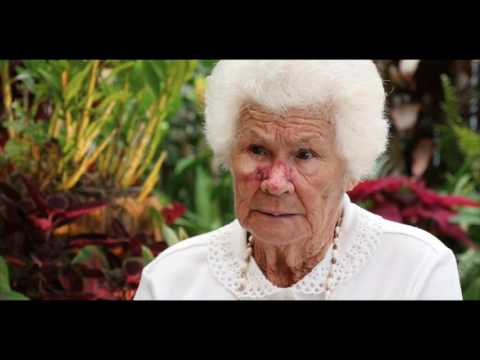
You know, when we think about mental health, we often picture teenagers or young adults dealing with stress and anxiety. But, honestly, the elderly face their own set of challenges that are sometimes overlooked.
Imagine your grandparents. They’ve seen so much over the years, but what about their emotional lives? It’s like there’s this whole world of feelings and struggles that don’t always get talked about.
As folks age, life can throw some pretty heavy stuff their way—loss of friends, physical health issues, or just feeling lonely. And you can’t just brush that off as «part of getting older.»
It’s vital to shine a light on these challenges because it impacts not only them but also everyone in their lives. If we can understand their experiences better, maybe we’ll be better at supporting them through tough times.
Exploring Common Mental Health Issues in the Elderly: Understanding Challenges and Solutions
Mental health challenges in older adults are super important to discuss. As people age, they often face unique stressors that can impact their mental well-being. Let’s unpack this a bit, okay?
First off, depression is quite common among the elderly. You know how sometimes life can feel heavy? Well, imagine dealing with loneliness after losing friends or family, or maybe having health issues that limit your activities. That can really take a toll on someone’s mood. It might even look like this: an elderly person who used to love gardening now feels too tired or sad to go outside.
Then there’s anxiety. Seriously, it’s not just a young person’s thing. Older adults can worry about their health, finances, or feeling like a burden to their loved ones. Have you ever had those nights where you just couldn’t stop your mind from racing? That’s exactly what happens for many older folks.
Another key point is dementia. Many people associate dementia with memory loss and confusion, which is true. But it also brings along changes in mood and personality! Imagine one day being your cheerful self and the next feeling lost and irritable. It’s tough for those who are living with it and also for their caregivers.
Social isolation plays a big role too. The thing is, as we get older, friends might pass away or family members may move away. This can lead to feeling disconnected from the world. I remember talking to an elderly neighbor who shared how lonely she felt after her husband died; she missed their daily talks and simply being around someone.
Now let’s chat about solutions.
- Community engagement: Joining clubs or groups can help combat loneliness. Local community centers often offer activities that encourage social interaction.
- Counseling: Therapy isn’t just for younger folks; mental health professionals can help address feelings of depression and anxiety.
- Physical activity: Simple walks or gentle exercises can boost mood significantly! Movement releases endorphins—those feel-good hormones.
- Medication: Sometimes doctors prescribe medication if things get really tough; it’s important they monitor its effectiveness closely.
- Family support: Regular visits from loved ones make a huge difference! Even phone calls can brighten someone’s day.
In essence, addressing these mental health challenges in the elderly starts with understanding their experiences and feelings. We need to keep talking about this stuff so everyone feels supported as they age—because we all want comfort during those later years of life!
Facing the Storm: Key Challenges for Older Adults Living with Mental Illness
Facing mental health challenges in later years can feel like navigating through a storm. For older adults, these issues often come with unique complexities. Here’s a closer look at some of the key challenges they face.
Social Isolation
As people age, social circles tend to shrink. Friends may pass away, or mobility issues can limit activities. This isolation can lead to feelings of loneliness, which might intensify depression and anxiety. For example, think about someone who used to enjoy weekly bingo nights but can no longer attend because it’s hard to get out. It’s not just the absence of activities; it’s the loss of connection that really stings.
Physical Health Issues
Many older adults deal with chronic health conditions like diabetes or heart disease. These conditions can impact mental well-being significantly. The thing is, managing a physical ailment takes a toll on your mood too. Imagine juggling multiple prescriptions for different ailments; it’s overwhelming! Chronic pain, in particular, can contribute to a sense of hopelessness or exacerbate anxiety.
Cognitive Decline
Dementia and other cognitive impairments are more common in older age. This decline can be frustrating and frightening, impacting self-identity and independence. Consider someone who suddenly finds themselves unable to remember names or faces they once knew well; that experience can shake one’s confidence deeply.
Lack of Access to Care
Navigating the healthcare system isn’t easy for anyone, but older adults might find it especially challenging. They may have trouble finding providers who specialize in geriatric mental health or simply getting transportation to appointments. And if there are language barriers or cognitive concerns? That makes it even tougher.
Stigma around Mental Health
Even today, there’s still stigma tied to seeking help for mental health issues, especially among the elderly population. Many grew up in times when mental illness was often misunderstood or brushed aside as weakness. It’s like walking through fog; they might hesitate to seek support because they fear being judged.
Medications and Side Effects
Older adults often take multiple medications for various health issues, leading to potential drug interactions that could worsen mental health symptoms or create new ones altogether. Plus, some antidepressants and anti-anxiety meds come with side effects that might complicate existing health problems—think fatigue or dizziness.
In sum, older adults living with mental illness face a variety of storms—each one unique but often overlapping and compounding the others. Addressing these challenges requires patience and understanding not only from healthcare providers but also from families and communities ready to lend a hand during tough times.
Breaking Down Barriers: Understanding Access to Mental Health Services for Older Adults
Understanding access to mental health services for older adults is super important. As people age, they often face a whole bunch of challenges that can impact their mental health. These can include things like losing loved ones, dealing with chronic pain, or feeling lonely. So, breaking down some barriers in mental health care is key to helping this population thrive.
One major hurdle is stigma. Many older adults grew up in a time when mental health issues were not openly discussed. They might think that reaching out for help means they’re weak or crazy. This stigma can keep them from even considering therapy or counseling.
Another barrier is accessibility. Sometimes, it’s just hard to find the right services nearby. You might live in a rural area with few mental health professionals available. Or maybe transportation issues make it tough to get to appointments. I once spoke with an elderly woman who wanted therapy but couldn’t drive anymore and had no local options that offered teletherapy.
Cost can also play a huge role. Medicare does cover some mental health services, but it’s not always comprehensive, which can leave older adults feeling like they can’t afford the help they need. I know someone who had insurance but didn’t understand what was covered—so guess what? She didn’t seek help until her anxiety got pretty severe.
Then there’s the issue of communication. Older adults might see multiple doctors for various issues, leading to fragmented care. If their physical and mental health providers aren’t communicating well, vital information can slip through the cracks. For example, if a doctor prescribes medication without knowing about someone’s depression history, it could potentially worsen their condition.
And we can’t forget about technology barriers. A lot of telehealth platforms are user-friendly, but not everyone gets tech—especially those who didn’t grow up with smartphones and computers! Elderly folks may feel intimidated by virtual appointments or just prefer face-to-face interactions.
So what do we do about all this? Well, first off, raising awareness about these issues is crucial! It’s all about encouraging conversations around mental health for older adults and creating supportive environments where they feel safe talking about their struggles.
We also need more resources focused on elderly care. This could mean training more professionals in geriatrics or developing programs specifically tailored for older individuals seeking help. Community outreach can play a big role too – organizations could offer workshops or seminars at senior centers to educate both seniors and their families about the importance of mental health care.
In short, while older adults often deal with unique challenges regarding mental health access—like stigma, accessibility issues, cost hurdles, communication gaps, and technology difficulties—it’s possible to break down these barriers through awareness and tailored solutions. Everyone deserves support at any age!
You know, when we talk about mental health, we often think of younger folks. But honestly, the elderly population deals with their fair share of challenges too. I remember visiting my grandma a while ago. She was such a vibrant woman, full of stories and laughter. But after losing her best friend, it was like a light dimmed inside her. She started to isolate herself, and it hit me how mental health can shift so dramatically with age.
First off, loneliness can be a massive struggle. Many older adults lose loved ones or find themselves living alone after decades of companionship. I mean, just imagine suddenly having all this free time but no one to share it with. That feeling can spiral into depression pretty quickly. It’s heartbreaking.
Then there’s cognitive decline—conditions like dementia or Alzheimer’s can be terrifying not just for those affected but also for their families. Imagine waking up one day and feeling like you’re losing bits and pieces of yourself? It must feel disorienting and scary.
Medication is tricky too. Older adults often juggle multiple prescriptions that can impact their mood or brain health in unexpected ways—maybe making them feel foggy or more anxious than they used to be. And let’s be real; navigating the healthcare system at this stage of life is no walk in the park either!
The stigma surrounding seeking help doesn’t help much either. Some seniors might feel embarrassed about admitting they need support, thinking they should “just tough it out.” It’s so important for family members to encourage open conversations about feelings and experiences.
So what can we do? Well, listening goes a long way. Just sitting down and chatting can make someone feel less isolated and remind them they’re not alone in this journey. Even simple things like inviting them out for coffee or joining in on activities they enjoy can really change the game.
We often overlook how crucial mental health is for our older loved ones. They’ve experienced so much life; letting them feel heard is a pretty powerful gift we can give back to them during those challenging times.