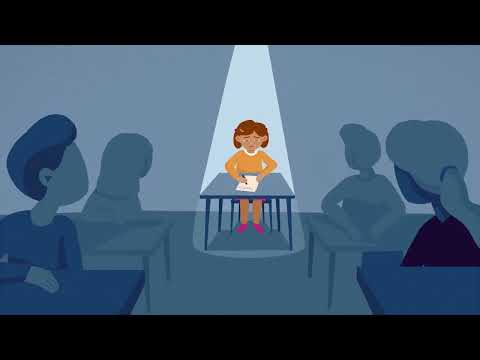
You know that feeling when you’re at a party, and you just can’t find the words? Imagine being a kid and feeling that way all the time. Yup, that’s what kids with elective mutism face.
They might seem shy or quiet, but trust me, there’s so much more going on beneath the surface. It’s like they’re trapped in their own world, wanting to talk but held back by something they can’t easily shake off.
Watching a child struggle to express themselves breaks your heart. You want to help but feel so lost about how. That’s where understanding comes in—knowing what elective mutism really is can change everything.
So let’s chat about it! What it looks like, what causes it, and of course, how we can support these amazing kids in finding their voices again.
Effective Strategies to Support a Teenager with Selective Mutism
Supporting a teenager with selective mutism can feel, well, pretty overwhelming at times. But know that there are strategies that can really help. The goal is to create a safe and encouraging environment for them. Here are some effective approaches you might consider:
Understand Selective Mutism: First things first, get to know what selective mutism actually is. It’s not just being shy; it’s an anxiety disorder where the teen struggles to speak in certain social situations, even if they are comfortable at home or with loved ones. Knowing this helps you approach the situation with empathy.
Create a Supportive Environment: Let’s talk about home and school settings. It’s key to establish spaces where your teen feels safe and understood. For instance, if they’re anxious about speaking in class, maybe they could try participating in smaller groups first or connecting with teachers who are well aware of their needs.
- Promote Gradual Exposure: Encourage your teen to engage slowly in social interactions. This could mean starting with eye contact or simple gestures before moving on to speaking.
- Use Nonverbal Communication: Sometimes words aren’t necessary! Emojis, written notes, or even art can express feelings without pressure.
- Encourage Regular Conversations at Home: Keep dialogues open but low-pressure at home. Ask about their day or interests without demanding big responses.
Model Communication: You can set a good example by showing how to communicate comfortably. Share your thoughts and feelings openly while also demonstrating listening skills.
Work Collaboratively With Professionals: If possible, consider finding a therapist who specializes in anxiety disorders or selective mutism specifically. They often use techniques like cognitive-behavioral therapy (CBT). This approach helps teens identify their fears and reshape their thinking patterns related to speaking.
Utilize Role Play: This might seem a bit simple, but role-playing common scenarios can ease anxiety! You could pretend to be ordering food at a restaurant or chatting with classmates. It’s less intimidating when you’re practicing together.
Sometimes it might feel hopeless when things don’t change overnight—believe me, I get it! I remember helping my friend’s daughter during her struggles with selective mutism; it took time but seeing her finally order her favorite ice cream was magical! That celebration of little victories is crucial.
Be Patient and Celebrate Progress: Remind yourself that this journey isn’t linear. Celebrate even tiny steps forward—like your teenager whispering an answer instead of staying silent is huge!
In wrapping it up, it’s about creating spaces where communication feels more natural over time rather than forced; supporting them means being understanding every step of the way while also fostering confidence in those small moments of expression.
Effective Strategies for Managing Selective Mutism: Best Practices Revealed
Selective mutism can be really tough for kids and their families. It’s that tricky situation where a child doesn’t speak in certain social settings, like at school or with friends, even though they can talk just fine at home. It’s not that they don’t want to speak; it’s more like anxiety takes over. So, let’s talk about some effective strategies to help manage this.
Creating a Comfortable Environment is key. Kids feel safe when their space is familiar. So, if they’re in a noisy classroom, it might be overwhelming. Try starting with small groups or familiar faces before jumping into bigger crowds.
Another important strategy is Gradual Exposure. This means slowly getting your child used to speaking in those scary situations. Maybe start by having them whisper answers at home, and then move on to sharing with one friend outside of the house. Each small step counts!
Encouraging Non-Verbal Communication can also help pave the way for speaking. Let them use gestures or nods as a way to communicate without the pressure of using words. Once they’re more comfortable, you can gradually encourage them to try speaking again.
You might also want to incorporate Positive Reinforcement. Celebrate those little victories! If your child says even one word in class or speaks up during a group activity, acknowledge it with praise or even a small reward. It boosts their confidence over time.
A Supportive Approach from Adults is crucial too. Teachers and caregivers should understand the condition and show patience without pushing too hard for verbal communication. Kids need to know it’s okay not to talk right away.
Involving professional help is sometimes necessary as well—consider Working with a Therapist. A therapist who specializes in childhood anxiety can offer structured support tailored specifically for your child’s needs.
Finally, remember that Building Social Skills through Play can work wonders! Activities like role-playing games or group activities allow kids to practice socializing in fun ways without the pressure of performance.
None of these strategies promise an overnight fix—you know? It takes time and patience from everyone involved. Just keep remembering that progress can be slow but steady, and every little effort counts!
Understanding the Link Between Trauma and Selective Mutism: Causes and Insights
Trauma and selective mutism can feel like an invisible wall. It’s tough to break down, especially for kids. You’re probably wondering what’s going on there, right? Well, let’s break it down together.
Selective mutism is a condition where a child who normally speaks can’t or won’t speak in certain situations, like at school or social gatherings. Often, it’s not just shyness—it runs deeper. What happens is that children with selective mutism might have experienced some sort of trauma that makes them feel unsafe or overwhelmed in specific settings.
Think about it like this: Imagine being at a party where everyone is loud and happy. You’re feeling anxious because last time you spoke up, something bad happened. This fear can stem from various kinds of trauma—maybe bullying or an unpredictable home life. It creates a cycle of anxiety that traps them in silence.
Here are some key points about the link between trauma and selective mutism:
- Background Experiences: Many children with selective mutism have faced early traumatic experiences—like moving to a new place suddenly or experiencing family issues.
- Anxiety Responses: Trauma can lead to heightened anxiety levels. When kids are anxious, they may revert to silence as a way to cope.
- Lack of Trust: If kids encounter stressful interactions in their environment, they may struggle trusting others. Silence often feels safer than risking more pain.
- Social Fears: Social situations can become triggering if past experiences were negative. This leads to avoidance behavior—like not speaking up.
Here’s a little story I want to share that might hit home: There was once a little girl named Mia. She loved talking at home but would freeze up whenever she stepped into her kindergarten class. Her teacher thought it was just shyness; however, she had recently moved and left behind her friends, which was super hard for her! Every time she thought about speaking in class, the fear of being judged made her go quiet again.
Now that you see how this all connects, it’s important for caregivers and educators to recognize these underlying issues when addressing selective mutism. The goal isn’t just getting a child to talk; it’s about creating an environment where they feel safe enough to express themselves.
Therapy often plays a big role here too! Approaches like Cognitive Behavioral Therapy (CBT) focus on addressing anxiety by gradually exposing the child to social situations while providing support and coping strategies.
In short, trauma doesn’t just fade away; it creates patterns that can lead to behaviors like selective mutism. Understanding this link opens doors for compassion and proper intervention strategies so children can find their voices again—even in the places where silence used to reign supreme.
You know, one of the most heart-wrenching things to watch is a kid who’s got a lot to say but just can’t seem to get the words out. Elective mutism, or selective mutism as some call it, is this tricky condition where kids speak in certain situations but totally freeze up in others—like school or group settings. It’s not that they don’t want to talk; it’s more like their brain just hits pause when they’re feeling anxious or overwhelmed.
I remember a friend telling me about her son, who would chat away at home like he was the star of a show. But once they stepped into his classroom, it was like someone flipped a switch. Silence. His teachers were worried, thinking he didn’t understand or just didn’t care. But she knew better. She could see the struggle written all over his face when he was pushed to speak.
So overcoming this whole thing? It takes time and understanding—lots of both. Parents can help by creating this safe little bubble at home where kids feel relaxed and can express themselves without any pressure. Just chatting about everyday stuff can really boost their confidence.
Therapeutic approaches are also super helpful—cognitive-behavioral therapy (CBT) works wonders for many kids facing anxiety issues. They learn coping mechanisms and gradually ease into social situations with small steps… kind of like learning to swim one floaty at a time, you know? Sometimes even play therapy gives them the chance to open up without feeling judged.
And here’s a biggie: patience is key! It might take what feels like forever for them to start talking in those tough environments, but every small victory matters—a smile here, a few words there. You’ve gotta celebrate those moments because they’re signs that progress is happening.
Ultimately, it’s about building trust and creating opportunities for these kiddos to find their voice again—it’s hard work but so worth it in the end! Each kiddo is different, so finding what clicks for each one makes all the difference in helping them break that silence.