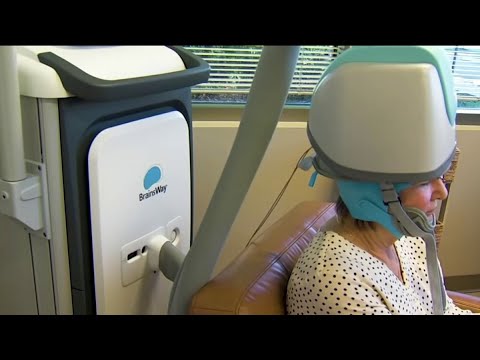
You know how sometimes life just feels like way too much? Like, you wake up and the weight of everything hits you at once? That’s pretty common, especially when it comes to depression. Seriously, it can be rough out there.
But hey, guess what? There’s something kinda cool bubbling up in the mental health world. Ever heard of electromagnetic therapy? It’s this interesting approach that some folks are starting to talk about for depression relief. Sounds sci-fi, right?
Imagine using a little zap of energy to help lighten your mood. That might sound odd, but there’s some real promise with this stuff. So let’s take a closer look at how it works and why it could be your new ally in the fight against those heavy feelings. You following me? Cool!
Exploring the Effectiveness of Electromagnetic Therapy for Depression: A Comprehensive Overview
Electromagnetic therapy is kinda gaining some traction lately, especially when it comes to treating depression. You might’ve heard of it being called TMS or transcranial magnetic stimulation. It’s not the first thing that pops up when you think of mental health treatments, but it’s definitely worth a look.
So, what’s the deal? Basically, electromagnetic therapy uses magnetic fields to stimulate nerve cells in the brain. The idea is that by activating certain areas of your brain, it can help boost your mood and relieve symptoms of depression. Pretty cool, huh?
Now, let’s break down how this actually works. Transcranial magnetic stimulation sends painless magnetic pulses through your skull and into the brain. These pulses target specific regions believed to be involved in mood regulation. There are studies showing that many people experience significant improvement in their symptoms after a series of sessions.
But here’s where it gets even more interesting. Unlike meds, which can take weeks to start working and have all sorts of side effects, TMS usually shows results more quickly with fewer side effects. Most folks report no major discomfort during or after treatment, aside from maybe a little headache or scalp tingling. That’s way easier than dealing with the groggy feeling some antidepressants can bring on.
However, it’s not magic beans for everyone. Although many studies have shown positive outcomes for **depression**, not every person responds to TMS treatment. Some might see changes right away while others could take longer or might not benefit at all.
And just so you know, TMS is typically recommended for people who haven’t found relief from traditional treatments, like therapy or medication alone. It’s also important to work with a qualified professional who understands if this option is right for you.
Additionally, insurance coverage can be hit-or-miss with these types of therapies; some plans cover it and others don’t, so that’s something to check out if you’re thinking about trying it out.
In the grand scheme of things, electromagnetic therapy represents an exciting frontier in mental health care—a sign that we’re moving toward more tailored approaches for treating depression and other mental health issues.
There’s still lots to learn about electromagnetic therapy’s long-term effectiveness and how different individuals respond to treatment over time; research is ongoing! But hey, isn’t it nice to know there are options out there? It can feel overwhelming when dealing with depression—you’re definitely not alone in navigating these choices!
Unlocking the Magnetic Pull of Depression: Understanding Its Triggers and Effects
Depression can feel like this heavy blanket that just won’t budge. Sometimes, it’s like you’re stuck in a loop of sad thoughts, dragging you down when all you want is to feel better. So what’s going on here? Well, let’s break it down a bit.
First off, depression triggers can vary widely from person to person. For some folks, it could be major life events—like losing a loved one or going through a tough breakup. Others might find that their day-to-day stressors pile up into something overwhelming. It could be work pressure, financial issues, or even just feeling isolated. You know how it is: when everything feels heavy, hope can sometimes seem out of reach.
And then there are those sneaky biological factors. Think about how your brain works—it’s influenced by chemicals called neurotransmitters. When they’re out of whack, feelings of sadness and hopelessness can creep in. Sometimes these chemical imbalances have roots in genetics or even physical health conditions.
Now, let’s chat about something called electromagnetic therapy. This newer approach has been gaining attention for its potential in easing depression symptoms. The idea here is that low-frequency electromagnetic fields can help stimulate your brain and rebalance those neurotransmitters we just mentioned.
Imagine sitting in a comfy chair while a device sends gentle pulses through your head—not painful at all! These pulses might help boost your mood and energy levels by getting your brain functioning more smoothly again.
But hey, it’s important to stress that this isn’t some magical fix-all. While some people have found relief through electromagnetic therapy, others may not respond the same way. There’s still research being done to understand who might benefit most from this treatment.
Here are some key points regarding depression and electromagnetic therapy:
- The triggers for depression are diverse. They may range from personal struggles to biological factors.
- The experience of depression is unique. What affects one person deeply may not have the same impact on another.
- Electromagnetic therapy offers new hope. It might help reset the brain’s chemical balance.
- This isn’t a substitute for traditional treatments! It should be considered as part of a broader treatment plan that could include therapy and medication.
So basically, understanding depression is like piecing together a puzzle with many parts—each piece unique to every individual experiencing it. And with advancements like electromagnetic therapy coming into play, there seems to be light peeking through the clouds for many people seeking relief from this tough condition. Just remember: if you or someone you know is struggling with mental health issues, reaching out for help is always a solid first step!
Revolutionary Home Device for Treating Depression: How It Works and Its Benefits
So, let’s talk about this cool new thing called electromagnetic therapy and how it’s aiming to help with depression. Basically, it’s a type of treatment that uses magnetic fields to influence brain activity. Doesn’t sound too wild, right? Well, hang on!
Electromagnetic therapy works by sending targeted pulses to specific parts of the brain. These pulses kind of stimulate neurons, helping to get things moving inside your head if you know what I mean. For folks dealing with depression, this could mean a better mood or a little more pep in their step.
How It Works:
The device used for this therapy looks like a helmet or cap and sits comfortably on your head. It emits electromagnetic waves that can penetrate the skull and reach the brain areas that play significant roles in mood regulation. Here’s where it gets really interesting: Some studies suggest that these electromagnetic waves can help increase levels of neurotransmitters like serotonin and dopamine, which are really important for feeling good.
So if you’re feeling down or just stuck in a funk, this could be like giving your brain an energy drink—sorta! The idea is not to replace traditional therapies but rather to offer another option for relief.
Benefits:
- Non-invasive: This means no surgery or needles involved—just sit back and relax while the device does its thing.
- Quick Sessions: Typically, each session lasts about 20-40 minutes. Perfect if you’re busy!
- No Side Effects: Unlike some meds which can have nasty side effects, many people find this therapy pretty well tolerated.
- Complementary Treatment: It can work alongside other treatments like talk therapy or medication.
I remember hearing about someone who tried it after years of feeling low all the time. They described walking away from the first session feeling lighter—like a cloud had lifted just enough for them to see some sunshine again. That incremental change is pretty powerful!
But hey, it’s not magic; it doesn’t work for everyone. Some people might not respond at all—or they might need multiple sessions before they notice anything significant. And as with any treatment, it’s essential to consult with healthcare professionals before diving in headfirst.
So yeah, electromagnetic therapy isn’t going to be everyone’s cup of tea, but for those looking for new tools in their mental health toolbox? It just might offer a little hope when things feel really tough.
So, electromagnetic therapy, huh? Sounds kinda sci-fi, right? But it’s actually catching on as a potential relief for depression. I mean, just think about it—what if you could reduce those heavy feelings with something as simple as a low-level magnetic field? That’s the hope here.
A friend of mine went through a rough patch. She was feeling totally stuck in this fog of sadness that wouldn’t lift. It was hard to watch her struggle. Traditional meds didn’t work for her, and she felt sidelined by all the options out there. Then she heard about electromagnetic therapy and decided to give it a shot. Honestly, we were all skeptical at first; I mean, who wouldn’t be? But after a few sessions, she said she started feeling clearer and more alive again.
So here’s what’s going on with this therapy: it involves sending gentle pulses of electromagnetic energy into the brain. This can help stimulate certain areas that are linked to mood regulation. It’s like giving your brain a little jump-start! The idea is that it might help balance out those pesky neurotransmitters that get outta whack during depression.
But let’s be real—this isn’t some miracle cure or anything like that. You still need to talk to someone when you’re dealing with depression. Therapy and medication can be super important too; it’s not one thing over another but rather finding what works best for you.
Some folks might feel hesitant or think it’s too out there; I get it. But in our quest for mental wellness, trying new things isn’t always bad news. Just look at my friend! She found a way back to herself, which is pretty incredible if you ask me.
This whole idea of electromagnetic therapy being an option really gives hope to those who feel like they’ve run out of choices in their battle with depression. It’s just one more tool in the toolbox—and hey, sometimes that’s all you need to start feeling better again!