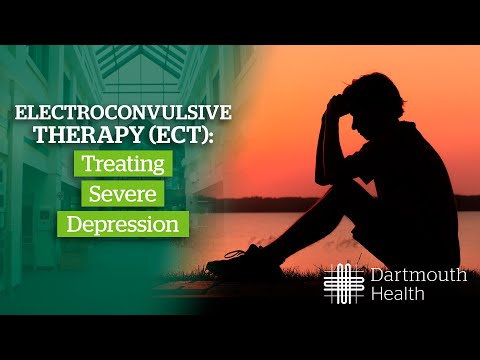
Electroshock therapy, huh? Sounds a bit intense, right? I mean, when you hear “shock,” it’s easy to picture some wild sci-fi movie scene.
But, let me tell you, there’s so much more to it. People toss around the term like it’s a magic wand or something.
The truth is, this treatment has been around forever, and it still sparks debates like no other. Some swear by its power to lift the fog of depression; others can’t shake the stigma attached to it.
So what gives? Why’s this old-school therapy still making waves today? Let’s unpack this together.
Exploring the Relevance of Electroshock Therapy in Modern Depression Treatment
Electroconvulsive Therapy (ECT) has been around a long time, and honestly, it still sparks quite the debate when it comes to treating depression. You might have heard some wild stories about it from movies or shows. But let’s break down what it really is and why some folks still find it relevant today.
First off, ECT isn’t what you might think. It’s not just throwing a switch and hoping for the best. The procedure involves sending small electric currents through the brain, intentionally triggering a brief seizure. Sounds intense, right? But this seizure may help relieve symptoms of severe depression that hasn’t responded to other treatments.
You see, depression can be tricky. Sometimes medications like SSRIs (you know, things like Prozac) or therapy just don’t cut it for everyone. People are different! Some end up feeling hopeless after trying multiple options without success. In fact, research shows that ECT can be especially effective for people with treatment-resistant depression—those who’ve tried at least two different antidepressants without improvement.
Now, let’s talk about the recovery side of things. After receiving ECT, many folks report feeling an improved mood relatively quickly compared to waiting weeks for standard medications to kick in. Imagine being in such a dark place and suddenly seeing some light again; that can be life-changing! Yet it’s not all sunshine—there are side effects like memory loss which can be concerning.
Also, stigma plays a huge role here. A lot of people still associate ECT with outdated practices from back in the day when it was misused or poorly understood. Today’s approach is *way* more controlled and monitored by professionals who prioritize patient safety.
So when is ECT considered? Usually for those facing:
- Severe depression that hasn’t responded well to meds
- A risk of suicide or self-harm due to their condition
- Bipolar disorder with depressive episodes
- Certain types of catatonia
While talking about this treatment option, I remember my friend Mark who’d battled severe depression for years. He tried everything: therapy sessions full of tissues and too many pills to count. Finally, his doctor suggested ECT after another summer went by without any hope in sight. It was terrifying at first; he even had doubts about trying something so drastic! But after several sessions? Mark found himself laughing again and connecting with his loved ones—something he thought he’d lost forever.
In short, while Electroconvulsive Therapy may seem controversial or scary at face value, its relevance in treating certain cases of depression is very real today. It offers hope where other treatments might fall short—a lifeline back to joy for those struggling deeply with mental health issues.
Exploring Shock Therapy: Can It Effectively Alleviate Depression Symptoms?
Shock therapy, also known as Electroconvulsive Therapy (ECT), is often a hot topic in the world of mental health. People tend to have a lot of questions and feelings about it. Let’s chat about what it is, how it’s used for depression, and whether it really helps.
First off, what is ECT? It involves sending small electric currents through the brain to trigger a brief seizure. Sounds intense, right? This might sound scary, but the idea is that this process can help reset your brain chemistry and improve your mood.
So why would someone consider ECT for depression? Well, it’s mostly used when other treatments haven’t worked. You know how sometimes meds take ages to kick in or don’t work at all? That’s where ECT comes in as a serious alternative. It can be particularly useful for severe depression or when someone can’t take psychiatric medications due to side effects or other reasons.
Now let’s dive into some key points:
- Speed of relief: Unlike medications that can take weeks to show effect, many people report feeling better after just a few sessions of ECT.
- Efficacy: Studies show that about 70-90% of people with severe depression find relief from symptoms after ECT treatment.
- Short-term vs Long-term: While many experience significant short-term improvement, some folks may need maintenance treatments later on.
But here’s where things get tricky: there are side effects. People sometimes experience confusion and memory loss after treatment. Imagine trying to remember your friend’s birthday but coming up blank! For some, these memory issues fade away after a little time; for others, they can stick around longer.
Many folks have personal stories about this too. Like my buddy Jamie—after years of battling deep depression and having tried every med under the sun without success, they decided to give ECT a shot. At first, they were super nervous because of all the horror stories floating around out there. But after several sessions? They felt like their old self again—almost like coming back from vacation!
That said, it’s not for everyone. Some people might find better options through therapy or lifestyle changes instead. It’s essential to have an open discussion with your doctor who understands you well.
To wrap things up: ECT can be an effective option for alleviating symptoms of depression in certain cases, especially when other treatments haven’t worked out so well. But just like any treatment plan, what works best really depends on you as an individual.
So if you’re thinking about this option or know someone who is—and you should definitely talk it over with professionals who can guide you through all the complexities involved—you owe it to yourself or them to understand both sides before making any decisions.
Navigating Life After ECT Treatment: Insights and Tips for Recovery
Navigating life after Electroconvulsive Therapy (ECT) can feel like, well, a rollercoaster. You’ve been through a lot, and now it’s about finding your footing again. ECT is often used for severe depression when other treatments haven’t worked. While it can be incredibly effective, the aftermath isn’t always a smooth ride.
First things first: it’s totally normal to experience some confusion or memory issues right after treatment. You might walk into a room and forget why you went there, or struggle to recall recent events. This can be frustrating, but most of these side effects tend to improve over time.
Here are some insights to help you along the way.
Now let’s talk about safety concerns. After ECT, make sure to avoid activities that require full attention until you’re feeling more back to normal—especially driving! Not everyone realizes that cognitive side effects might linger longer than expected.
One thing I want to highlight: don’t hesitate to reach out to your healthcare provider if things aren’t feeling right after treatment. They’re there for you and can help adjust medications or suggest resources.
Also, make space for self-care. Activities like yoga, meditation, or simply taking long walks outdoors can provide grounding and relaxation as your brain adjusts.
As someone who has seen friends go through this recovery journey—I remember talking to my buddy who had ECT last year he told me how disorienting it felt at first but how he slowly found joy in little things again—like gardening! Seriously, those tiny wins matter.
Recovery after ECT doesn’t happen overnight; it’s more of a marathon than a sprint. Be patient with yourself as you navigate this new chapter of life because every step forward counts—that’s what really matters!
So, electroshock therapy, or as it’s sometimes called, electroconvulsive therapy (ECT), is one of those topics that can really stir the pot in discussions about mental health. You might think of it and picture the old movies where they show someone getting shocked and all that drama. That’s pretty far from what it looks like today, though.
I remember a friend of mine once opened up about their struggles with severe depression. Nothing seemed to help—therapy sessions were like talking to a wall, medications just made them feel like a zombie. Out of sheer desperation, they decided to give ECT a shot. Honestly? They were scared at first. The idea of electricity messing with your brain doesn’t sound appealing at all! But after doing their homework and hearing stories from others who had gone through it, they took the leap.
What’s interesting is how ECT works. It’s not just throwing electricity at someone’s brain randomly; there’s a process involved. Doctors induce controlled seizures while the patient is under anesthesia. And it’s been shown to work pretty well for people with treatment-resistant depression—those folks who feel like they’ve run out of options.
But then there’s the flip side—a lot of people still think it’s too risky or inhumane because of the stigma that sticks to it like glue. Some report memory loss or confusion after treatment, which can be scary enough to stop others from considering it as an option at all.
After my friend went through with ECT, I was really nervous for them but also hopeful. And you know what? It actually worked! Their outlook changed dramatically; colors seemed brighter again, and laughter returned—something I hadn’t seen in ages. They still have ups and downs, but that was such a turning point.
So here we are—ECT is definitely controversial but has helped many find relief when nothing else worked. Maybe it’s not for everyone—and that’s okay—but it’s crucial to talk about these options openly and without judgment. Everyone’s mental health journey is unique; what helps one person might not suit another at all. But having choices? That’s key in this complicated world of mental health care!