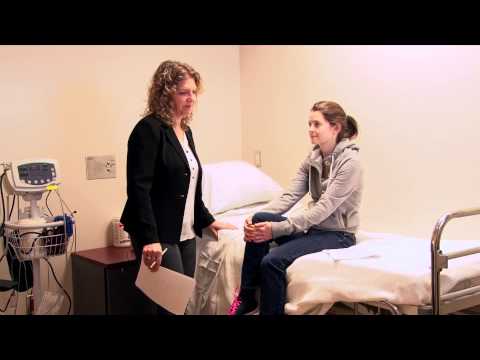
You know when you’re feeling really overwhelmed, and it all hits at once? It can be scary, right? For many folks, that’s when they find themselves in the emergency room.
But here’s the thing—ERs aren’t just for broken bones or stitches anymore. They’re sometimes the first place people go for mental health care, too. And honestly, it can be a bit chaotic.
Imagine walking into a busy waiting room filled with people who are either sick or hurt. Now add someone who’s struggling emotionally into that mix. It’s tough!
What can we do to make that experience better? Well, there’s this idea of using evidence-based practices in ERs. Basically, it’s about using the best research out there to help folks as they walk through those doors.
It could change everything—from how you get treated to how you feel when you leave. Let’s talk about what that looks like!
Enhancing Emergency Department Support for Psychiatric Patients: Strategies for Improved Care
Emergency departments (EDs) can be pretty overwhelming places, especially for someone dealing with a mental health crisis. You know how it goes—long waits, cramped spaces, and a system that’s often not equipped to handle the unique needs of psychiatric patients. It’s tough out there! So, let’s break down some strategies that could really enhance support for those folks in need when they walk through those sliding glass doors.
First off, training staff is key. Many ED personnel may not have extensive knowledge about mental health issues. That’s why training sessions can be super valuable. They can learn how to recognize different conditions and how to approach patients empathetically. Imagine a nurse who knows how to talk someone down who’s feeling really anxious or scared—that could totally change the experience for the patient.
Creating a specialized area within the ED is another major plus. Think about it: having a designated space just for mental health emergencies would help reduce the stigma and chaos typically associated with traditional emergency care. This separate area could be designed to be more calming—think soft lighting and comfortable seating—that makes a world of difference when you’re in distress.
And then there’s collaborating with mental health professionals. EDs should work closely with psychiatrists or social workers who can provide on-scene evaluations. If someone is clearly struggling, having a trained professional available can make assessments quicker and more accurate, steering patients towards appropriate care more efficiently.
Access to resources is another critical piece. For instance, having pamphlets or digital resources about local support services readily available would help guide patients after their ED visit. It’s way easier to navigate your next steps when you don’t have to dig around for info once you’re out of that stressful environment.
But wait—there’s more! Leveraging technology in these situations could also bring some serious benefits. For example, telehealth options allow patients to connect with mental health professionals right from the ER. This way, they can get advice or even immediate care without having to wait hours at the hospital.
Now let’s talk about ongoing follow-up care. It’s important that aftercare planning doesn’t end when someone leaves the ED. Building connections with community organizations ensures that they have somewhere safe and supportive to turn afterward can seriously lower rates of repeat visits.
Lastly, involving patients in their own care plans is vital too! Encouraging them to express what they feel would help them most makes them active participants in their recovery journey rather than just passive recipients of care. When you give people some control over their treatment, it empowers them!
So yeah, enhancing emergency department support for psychiatric patients isn’t just about making tweaks here and there—it requires a systemic shift towards understanding their unique needs better. If we want change in this area, we need commitment from everyone involved: hospital administrators, healthcare workers, law makers—you name it!
In short? By embracing these strategies—training staff appropriately; creating specialized spaces; collaborating with mental health pros; ensuring access to resources; using technology; focusing on follow-up care; and involving patients—you can really make a positive impact on the lives of those experiencing crises in our emergency rooms. And honestly? They totally deserve better support during one of the toughest moments of their lives!
Effective Strategies for Managing Mental Health Patients in Emergency Departments
Managing mental health patients in emergency departments can be a tough gig. You’re dealing with folks who might be in crisis, confused, or overwhelmed. So, here are some effective strategies that can really make a difference.
First off, creating a calming environment is crucial. Emergency rooms can feel hectic and chaotic. Adding soft lighting or even some soothing music can help patients feel less anxious. Imagine waiting in a room that feels more like a spa than an ER—it makes a world of difference.
Another key point is training staff on mental health issues. Everyone from nurses to security personnel should have at least some basic understanding of mental health conditions. This education helps them respond appropriately when someone is having a panic attack or showing signs of severe anxiety. A little knowledge goes a long way.
Also, utilizing triage protocols that include mental health assessments is super important. When patients come in, they often get assessed for physical ailments first. What if we brought mental health into that mix? Using tools like the Mental Health Triage Scale allows staff to prioritize care for those with urgent psychological needs.
Then there’s de-escalation techniques. Training staff on how to peacefully handle volatile situations can prevent things from getting out of hand. For instance, talking softly and maintaining an open posture can help ease tension during confrontations.
Moreover, having dedicated mental health professionals onsite can really change the game. Involving social workers or psychiatrists means patients get specialized attention right away instead of waiting hours for someone to show up.
Next up is collaborating with community services. We need to connect patients with resources once they’re stabilized—for example, setting them up with local therapists or support groups before they leave the ER. This step ensures continuity of care and helps reduce repeat visits.
And don’t forget about family involvement. Sometimes loved ones can provide crucial insights about the patient’s history and needs. Allowing family members into the process—when appropriate—can support the patient’s recovery and create a safety net after discharge.
Finally, it’s vital to not overlook the importance of thorough documentation. Keeping detailed records helps track patterns in behavior and responses to treatments over time. It informs better care not just for that visit but for future encounters as well.
To sum it up: enhancing mental healthcare in emergency rooms involves creating safe spaces, training staff effectively, utilizing triage protocols for mental health assessments, employing de-escalation techniques, ensuring dedicated professionals are available, collaborating with community services, involving families when possible, and keeping good documentation to inform ongoing care strategies.
While it may seem overwhelming at first glance, every little step counts toward making ER experiences better for those facing mental health challenges.
Understanding the Psychiatric Hospital Admission Process: A Step-by-Step Guide
When someone is in a mental health crisis and needs help, sometimes the best option is to go to a psychiatric hospital. The whole admission process can seem super overwhelming, but it’s really just a series of steps designed to get you the care you need. Here’s a breakdown of what usually happens.
Step 1: Initial Assessment
First up, you’ll meet with a healthcare professional, usually at an emergency room or a mental health facility. They’ll ask about your symptoms and why you feel like you need help. Like, if you’re feeling really depressed or anxious, or if you’ve had thoughts of hurting yourself or others, they want to hear all about it. This assessment helps them understand your situation better.
Step 2: Evaluation for Admission
Next, they’ll determine if you’re eligible for admission. This involves looking at your mental health history and whether there are any immediate safety concerns. If they see that you’re at risk for harming yourself or others, that’s a strong reason to get admitted. But even if your situation isn’t that severe, they might still recommend outpatient therapy instead.
Step 3: Preparing for Admission
If they’re ready to admit you, they’ll walk you through what to expect during your stay. You might be asked to sign some forms giving consent for treatment and letting them know about your medical history. It can feel pretty clinical at this point—just remember it’s about ensuring you get the right care.
Step 4: The Actual Admission
Once everything’s set up, you’ll officially be admitted into the psychiatric unit. This is where things can get more formalized—like you’ll likely have your belongings searched for any items that could be harmful (like sharp objects). Not gonna lie; this part can feel invasive but think of it as them trying to keep everyone safe.
Step 5: Daily Routine
After you’re settled in, you’ll follow a daily routine which includes therapy sessions and possibly medication management. These sessions give you the chance to express how you’re feeling and work with therapists on coping strategies so they can help address what brought you here in the first place.
Step 6: Discharge Planning
As you start feeling better, planning for discharge begins. Ideally, this starts early in your stay so that when you’re ready to go home, there’s already a plan in place—like follow-up appointments with therapists or medication prescriptions if needed.
The thing is—this whole process can take time; it’s not like checking into a hotel where everything’s smooth sailing from day one! Sometimes patients will stay longer than expected based on their progress.
To wrap it all up—understanding this process can ease some fears when someone needs that level of support. Just know it’s okay to reach out when things feel too heavy; there are people out there who want nothing more than to help!
You know, emergency rooms can be a bit of a whirlwind, right? People rushing in with all sorts of health crises, and honestly, mental health sometimes gets swept to the back burner. I mean, think about it. You’re there with a broken leg or an asthma attack, and it’s easy to forget about those who are grappling with anxiety or depression. But these emotional challenges are just as critical.
I remember visiting a friend in the ER once. She was having a panic attack—everything felt so chaotic around her. The medical staff was great with physical issues, but when it came to her anxiety, they kinda fumbled. They gave her some meds and sent her on her way without really addressing what she was feeling. It struck me how important it is to have mental health support in those intense moments.
Now, enhancing mental health care in ERs using evidence-based practice could change things dramatically! It’s about applying what really works based on research and experience rather than just going through the motions. For instance, training ER staff to recognize signs of mental distress could be game-changing. You know? Having tools like brief interventions or supportive counseling right there can make a huge difference.
Just picture this: someone comes in feeling overwhelmed and hopeless instead of just treating their physical symptoms; staff could also ask about their mental well-being. That little check-in can offer comfort—like saying, “Hey, you matter too.” There are proven methods that show early intervention can improve outcomes for patients struggling with emotional pain.
Having policies that prioritize mental health resources alongside physical care is also crucial. Imagine if every ER had access to therapists or social workers who could step in when needed!
The thing is, patients shouldn’t feel like their anxiety or depression is just an afterthought during a crisis. Making these changes isn’t just good practice; it’s necessary for holistic healing. So yeah, enhancing mental health care in emergency rooms isn’t just nice to have—it’s essential for making sure everyone leaves feeling seen and cared for completely!