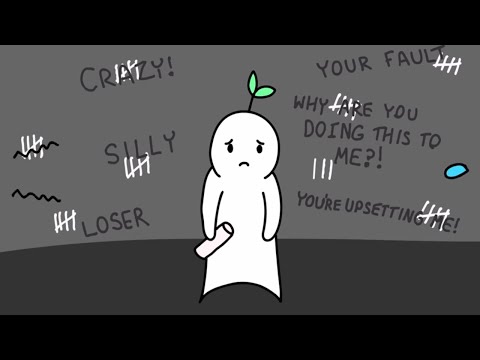
You know, relationships can be so tricky. When mental health issues are involved, things can get even murkier.
Take bipolar disorder, for example. It’s this complex condition that can twist emotions and create intense highs and lows. But let’s not forget about the emotional side of things, especially how partners treat each other.
Emotional abuse? That can sneak in when you least expect it. It’s subtle but seriously damaging.
If you’ve been there, or know someone who has, you probably get it. Sometimes, love just isn’t enough to keep the pain at bay. So what does that look like in a bipolar relationship? Let’s break it down together.
Understanding the Impact of Bipolar Disorder on Relationships: Do Partners Suffer?
Bipolar disorder is one of those conditions that doesn’t just affect the person living with it. It also spills over into their relationships, and yeah, partners can really feel the impact. So, what’s the deal?
First off, let’s talk about emotional states. People with bipolar disorder experience extreme mood swings—think highs (mania or hypomania) and lows (depression). This rollercoaster can be confusing and exhausting for a partner. You’re there one moment, feeling on top of the world, and then suddenly it’s like you’re in a deep pit.
Partners often feel helpless. Imagine loving someone who one minute is vibrant and full of ideas but then dives into despair without warning. You want to help, but sometimes, it feels like no matter what you say or do, it just doesn’t land.
You might notice yourself walking on eggshells, hoping not to trigger a mood swing. This tension can lead to resentment. You start feeling overwhelmed by your partner’s needs while your own take a backseat. It’s tough to keep giving when you’re not getting much back emotionally.
Another thing to consider is communication breakdowns. When someone is manic or depressed, they might not communicate well. They could say hurtful things or withdraw altogether. It’s easy for misunderstandings to sprout up like weeds in a garden. You think you’re being supportive; they think you’re nagging—conflict city!
And let’s not forget about the potential for emotional abuse dynamics. During manic phases, a partner might exhibit risky behavior or make impulsive decisions that affect both their lives. The depression phase? Well, it can lead to neglect—of themselves and their relationship. If these patterns keep happening without any interventions or understanding from both sides, emotional abuse can sneak in when one person feels too overwhelmed or unsupported.
So how do partners cope? That’s where boundaries come in handy! It’s essential for both people to know what they need from each other—not just during crises but all the time! A healthy relationship thrives on mutual respect and understanding.
Also important is seeking help from professionals together—therapy isn’t just for the person with bipolar disorder; it can be incredibly beneficial for both partners. Having a neutral space where feelings can be aired out without judgment is crucial.
In summary, yes—partners do suffer when dealing with bipolar disorder in relationships. But recognizing these impacts allows couples to navigate this challenging terrain together better. Through support and communication as well as outside help if needed—you’ll find ways to make your bond stronger instead of letting bipolar disorder pull you apart!
Understanding Hurtful Words: Insights into Bipolar Disorder and Communication Challenges
Bipolar disorder is intense, seriously. It’s not just a label; it’s an experience filled with ups and downs that can shake the foundations of relationships. One of the trickiest parts? Communication. When someone is in a manic or depressive phase, their words can have power that cuts deep—sometimes without even realizing it.
Bipolar Disorder Basics
So, let’s break it down a bit. Bipolar disorder involves extreme mood swings. You know, highs (mania) and lows (depression). These shifts can affect how someone thinks, feels, and communicates. During manic episodes, they might be overly confident or excited but could say things they don’t mean—things that hurt others.
Hurtful Words in Relationships
When you’re close to someone with bipolar disorder, those hurtful words can feel like emotional punches. Like my friend Lisa once shared her story about her boyfriend during one of his manic episodes. He shouted at her about trivial things—like leaving the dishes out—and it shattered her confidence in their relationship. He didn’t really mean to hurt her; he just wasn’t in control of his emotions.
- Communication Style Changes: In mania, individuals may speak rapidly or say whatever pops into their head without filtering.
- Emotional Disconnect: During depressive phases, they might withdraw or say cutting comments out of frustration.
- Lack of Awareness: They often don’t realize how their words affect others until things calm down.
The Role of Emotional Abuse
This communication gap can lead to emotional abuse dynamics in relationships. The thing is, when someone repeatedly hears hurtful comments during those ups and downs, it chips away at their self-esteem over time. It creates a toxic cycle where feelings of hurt build up.
But it’s not just about the person with bipolar disorder; their partner—their loved one—has feelings too! They might feel trapped between wanting to be supportive but also needing to protect themselves from emotional harm.
- Support vs Self-Care: It’s vital for partners to find a balance between being supportive and taking care of their own mental health.
- Set Boundaries: Partners need to communicate clearly what behavior hurts them without making accusations.
Navigating the Dynamics
If you’re in this kind of relationship—or know someone who is—it helps to understand that these moments are often reactions to overwhelming emotions rather than personal attacks. Maybe think about working with a therapist together or individually because addressing these feelings early on makes a difference.
Communication challenges are real in bipolar relationships; they take effort and understanding from both parties. If you’ve ever felt crushed by someone’s words during an emotional storm, you’re not alone—it happens way more than you’d think! Just remember: even storms pass eventually if you learn how to weather them together.
Exploring the Link Between Emotional Abuse and the Development of Bipolar Disorder
Emotional abuse is a tricky subject. It’s not always easy to spot, but its effects can be severe, especially when it comes to mental health. You might feel like you’re walking on eggshells, constantly second-guessing yourself, or feeling worthless. These feelings can absolutely contribute to developing various mental health conditions, including bipolar disorder.
Bipolar disorder involves extreme mood swings that go from manic highs—like feeling invincible or super creative—to deep lows that might have you feeling hopeless or really down. Emotional abuse can act like a catalyst for these swings. When someone suffers emotional abuse over time, it’s a lot like living in a roller coaster of stress and anxiety. You’re on this wild ride, and eventually, it can mess with your emotional regulation.
When exploring the link between emotional abuse and bipolar disorder, consider these dynamics:
- Stress Response: Constant stress from emotional abuse can trigger changes in brain chemistry. Cortisol levels rise, which affects mood and could lead to mood disorders.
- Trauma Impact: Emotional abuse is essentially trauma that you carry with you. This unresolved trauma can play a significant role in the development of bipolar symptoms.
- Lack of Support: If you’re emotionally abused, it’s likely you don’t have strong support systems in place. And without that support? Well, it’s tough to manage emotions effectively.
- Low Self-Esteem: Emotional abuse often leads to feelings of inadequacy. Over time, this low self-esteem can foster hopelessness—something seen frequently in the depressive phases of bipolar disorder.
Imagine someone named Sarah. For years she lived with a partner who criticized her constantly: «You’re never good enough,» «Why can’t you just try harder?» This ongoing verbal barrage chipped away at her self-worth and triggered intense feelings of sadness and frustration.
Now picture Sarah experiencing manic episodes too—maybe she’s suddenly full of energy one week, starting new projects left and right but falling into despair the next week when she feels overwhelmed by everything she can’t accomplish. The emotional turmoil created by her partner contributed to these extreme shifts in mood.
So here’s the thing: if someone experiences emotional abuse as a child or even as an adult in relationships, they might be more vulnerable to developing conditions like bipolar disorder later on. This connection isn’t always straightforward because not everyone will develop bipolar symptoms after facing such treatment—but **the risk increases significantly** for those already predisposed due to genetic factors or other circumstances.
Treatment becomes crucial for anyone navigating these challenges. Therapy focused on trauma can help victims reclaim their voices and build healthier coping mechanisms while also addressing any bipolar symptoms that may arise from their experiences.
In short, while not everyone exposed to emotional abuse will develop bipolar disorder (or even exhibit symptoms), there’s no denying how intertwined these experiences can be when it comes to managing mental health overall. Just remember: healing takes time—and recognizing the impact of emotional abuse is often the first step toward reclaiming control over your life!
You know, when you think about relationships, especially those involving someone with bipolar disorder, it’s easy to overlook the emotional side of things. I mean, we often talk about the ups and downs of the mood swings—the manic highs and the deep lows—but there’s this whole other layer that can really complicate everything: emotional abuse.
Now, I once knew a couple who were so in love at first. They had these incredible moments filled with laughter and joy. But as time passed, things shifted. The partner with bipolar disorder would sometimes lash out during their low phases—maybe not even realizing the hurtful things they were saying. It’s heartbreaking because that person often felt terrible afterward but couldn’t always control it in the moment.
Emotional abuse can creep in slowly, like a fog you don’t notice until it’s thick around you. Gaslighting is one of those sneaky tactics where one partner might make you doubt your reality or feelings. Imagine being told that your reactions are too much or that you’re overreacting when all you want is to be heard and understood? That can wear down even the strongest of spirits.
And then there’s manipulation. It might look like love at first; after all, who doesn’t want to be needed? But it can evolve into something toxic quickly if one partner begins to use their condition as a shield for hurtful behavior or puts the other on an emotional rollercoaster without consent.
But here’s where it gets tricky—when emotions run high and there’s love mixed in with pain, people stick around longer than they probably should. You might think “this is just a phase” or “they didn’t mean it,” convincing yourself that everything will get better once they stabilize. And maybe at times it does! But those cycles can become destructive over time.
Now let’s not forget about the stigma surrounding mental health conditions, too. A lot of folks outside may not get what you’re dealing with; they see the highs as wild fun and lows as just “being moody.” This lack of understanding makes it harder for partners to reach out for help or even recognize when they’re stuck in an unhealthy dynamic.
At some point, acknowledging both sides—the joys and challenges—is crucial if you want to keep your own emotional well-being intact. It’s important to set boundaries, seek therapy (both individually and together), and maybe even take breaks if necessary.
It’s hard but vital work because love shouldn’t feel like walking on eggshells or second-guessing your worth every day. There’s hope for healing! With support from therapists who understand those dynamics—or even trusted friends—you can navigate this challenging path more clearly and come out stronger together…or even apart if that’s what ends up being right for both of you.
So yeah, recognizing emotional abuse dynamics in bipolar relationships isn’t straightforward; it’s messy and complicated—but it’s worth talking about out loud because knowledge is power!