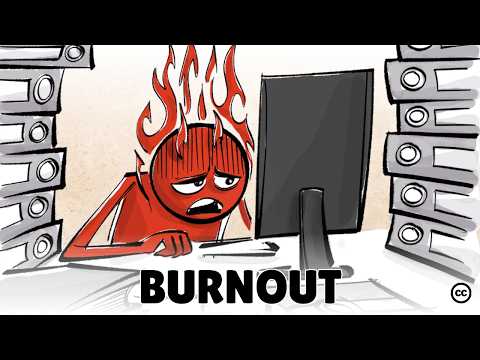
Hey, let’s chat for a sec. You know those days when you feel totally wiped out? Like, you wake up and it’s already a struggle to get out of bed? Yeah, that’s what I’m talking about.
Sometimes, it’s not just about being tired. It can sneak up on you, right? You think you’re fine until suddenly everything feels like way too much.
Emotional and physical exhaustion can hit anyone. Seriously. It’s like running a marathon without even leaving your couch. And let’s be real, nobody wants to feel that way!
So grab a cup of coffee or tea—whatever you need—and let’s dig into those signs that might mean you need to take a breather or two.
Recognizing the Signs of Emotional Exhaustion: Key Indicators to Watch For
Recognizing emotional exhaustion can feel like spotting a ghost in the dark. It’s sneaky, and you might not even realize it’s creeping up on you until it’s too late. So, what should you look for? Here are some key indicators.
Constant Fatigue is often the first sign. You’ll feel wiped out even after a full night’s sleep. It’s like your battery just won’t recharge. You know that feeling when you oversleep and still can’t shake off the tiredness? Yeah, that’s emotional exhaustion.
Another biggie is irritability. You find yourself snapping at friends or family over little things, things that normally wouldn’t bother you at all. Maybe your partner forgot to put the cap on the toothpaste, and suddenly it feels like an epic betrayal! That’s not really about the toothpaste, though; it’s about how you’re feeling inside.
Then there’s detachment. You might notice that everything feels numb or dull. Stuff that used to excite you—like hanging out with friends or diving into a new hobby—just doesn’t spark joy anymore. It’s like you’re watching life through a dirty window.
Don’t overlook changes in sleep patterns, too. Some people can’t sleep at all, tossing and turning while their minds race with anxious thoughts. Others may find themselves sleeping way too much because they’re just trying to escape reality for a bit longer.
Also important is difficulty concentrating. Ever try to read a book or focus on work but feel like your brain is moving through molasses? Yup, that foggy feeling makes it super hard to get anything done.
Pay attention to physical symptoms, as well. Emotional exhaustion can show up as headaches, stomach aches, or muscle tension. It’s weird how our minds and bodies are connected; stress in your head can totally manifest in physical ways.
Lastly, if you’re finding yourself withdrawing from social situations more than usual—like skipping out on plans with friends or avoiding phone calls—that isolation can be a red flag too! It’s easy to convince yourself that staying home feels cozy but deep down, it might be about avoiding what feels overwhelming.
So, if any of this sounds familiar to you—or maybe you’re noticing these signs in someone else around you—it might be time for a little self-care check-in! You deserve to feel better and recognize when you’ve hit your limit. Remember: acknowledging these signs is the first step toward taking control again!
Discover the 7 Key Symptoms of Chronic Fatigue Syndrome You Need to Know
Chronic Fatigue Syndrome, or CFS, is one of those conditions that can be really tricky to understand. Basically, it’s not just about feeling tired. You know? It’s this overwhelming exhaustion that doesn’t go away with rest and can seriously mess with your life. Let’s have a chat about some key symptoms that you should definitely be aware of.
- Persistent Fatigue: This is the big one. People with CFS often feel this deep fatigue that lasts for six months or longer. It’s more than just being sleepy; it’s like carrying around a heavy backpack all day, every day.
- Post-Exertional Malaise: Ever tried to push through a tough workout only to crash afterward? That exhaustion can last for days in CFS folks. One little activity might leave you feeling wiped out for ages.
- Sleep Problems: You’d think more sleep would help, right? But many people with CFS wake up feeling as tired as when they went to bed. It’s like their bodies don’t get the memo that it’s time to recharge.
- Cognitive Difficulties: A lot of folks report what they call “brain fog.” It can make focusing super hard. Imagine trying to remember where you left your keys and feeling like your mind is moving through molasses.
- Pain: This could be headaches, muscle pain, or joint pain without any swelling. It might feel random at times, but it can also become a constant companion.
- Sensitivity to Stimuli: People often say they’re more sensitive to light, noise, and even smells. What used to seem normal now feels overwhelming—it’s like everything’s turned up too loud!
- Heart Rate Issues: Some experience heart palpitations or abnormal heart rates even when they’re just chilling out on the couch. Imagine your heart doing jumping jacks when you’re trying to relax!
Understanding these symptoms is crucial because CFS isn’t something you’d want to overlook or brush off as “just being tired.” If you notice these signs hanging around longer than they should, it might be time to chat with someone who understands what you’re going through—like a doctor who specializes in fatigue-related conditions.
The thing is, chronic fatigue syndrome affects not just physical health but emotional well-being too. Having energy levels that fluctuate wildly can really tangle up your mood and perspective on life—seriously!
So if you’ve been feeling more than just run down lately and these symptoms sound familiar, reaching out for help could make a world of difference for you or someone you care about!
Recognizing the Signs of Physical Exhaustion: A Guide to Understanding Your Body’s Warning Signals
Feeling physically exhausted can creep up on you. One minute you’re go-go-going, and the next, you’re so drained that just getting out of bed feels like running a marathon. Your body often sends subtle signals before you hit the wall. Recognizing these signs early can make a huge difference.
So, what does physical exhaustion really look like? Here are some common signs:
- Chronic Fatigue: This isn’t just feeling sleepy after a long day. It’s that overwhelming tiredness that doesn’t go away with rest.
- Sleep Disturbances: You might find it hard to fall asleep or wake up too early. Even if you sleep, it may not feel refreshing.
- Physical Weakness: Tasks that used to be easy suddenly leave you feeling like you’ve run a mile.
- Mood Changes: You might feel cranky or more emotional than usual. It’s amazing how physical state can mess with your mood!
- Persistent Pain: Sometimes this shows up as muscle soreness or headaches that won’t quit.
I remember talking to a friend who was pushing herself way too hard at work. She thought she was just being dedicated, but she started experiencing headaches and felt perpetually drained. It wasn’t until her body screamed at her—literally—by getting sick, that she realized something needed to change.
A big part of recognizing these signs is also tuning into what your body is telling you each day. Are you feeling more irritable? Getting those random aches and pains? Look out for those little shifts; they’re your body waving a red flag!
If you notice several of these signs sticking around for longer than a week, it might be time for a reality check. Sometimes people ignore their bodies because they believe they just need to push through—it’s tough but crucial not to fall into that trap.
Your response to exhaustion should involve taking some time off or finding ways to rest better. Integrating relaxation techniques like deep breathing or meditation can help reset both your mind and body.
A good takeaway here is: pay attention! Your body wants to tell you something important when you’re overdoing it. Just like my friend learned the hard way, ignoring those signs often leads down an even tougher path where recovery takes longer than necessary.
The next time you’re feeling wiped out, give yourself permission to slow down and listen closely to what your body’s trying to say! Taking care of yourself isn’t selfish; it’s essential for staying healthy in the long run.
You know, emotional and physical exhaustion can really sneak up on you. One minute, you’re rolling through your day, feeling like you can take on the world. The next thing you know, you’re dragging yourself out of bed, scrolling through your phone just to find the energy to get dressed. Seriously, it’s wild how quickly it can happen.
I remember a time when I was working late every night, juggling responsibilities at work and trying to keep up with friends. Eventually, I started feeling worn out—like literally every little task felt like climbing a mountain. Even hanging out with my buddies felt exhausting. It wasn’t until I crashed one weekend that I realized I should’ve paid attention to the signs.
So what do those signs look like? Well, for starters, you might be feeling way more irritable than usual. You know that feeling when someone asks a simple question and it suddenly feels like the end of the world? Yeah, that’s a clue. Then there’s physical stuff too; maybe your body just feels heavy or achy all the time. Sometimes even small issues start to pile up—like headaches or trouble sleeping.
And here’s the kicker: when you’re exhausted emotionally and physically, sometimes it’s hard even to recognize it! You might think it’s just a thing you’re going through or chalk it up to normal life stressors. But really? It could be your mind and body waving their tiny flags together saying «Hey! We need a break!»
Taking time for self-care isn’t just fluff; it’s essential! Remember that time I had to pull back from everything? It was hard but necessary—turns out binge-watching my favorite shows while eating pizza was pretty effective therapy! Just giving myself that space helped clear my mind enough to realize I didn’t have to push through everything all at once.
So yeah, listen closely when your feelings start talking back at you; they might just be trying to tell you something important! Recognizing those signs is half the battle in getting back on track.