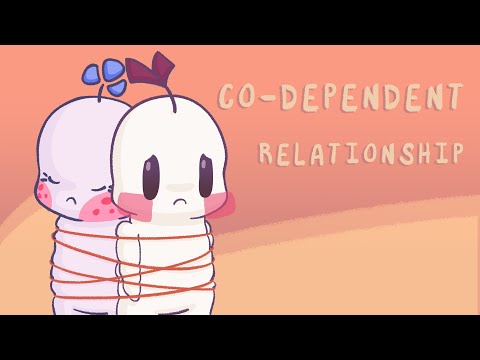
You know that feeling when you just can’t shake the thought of someone? It’s like they’re on your mind 24/7.
Sometimes, it feels sweet, right? But then, it starts to weigh you down. You want to be close but wonder if it’s a bit too much. That’s emotional dependency creeping in.
Ever found yourself needing constant reassurance? Or maybe feel anxious when they’re not around? Ugh, it can be exhausting.
Let’s chat about the signs of emotional dependency. It’s a real thing that many people experience—it can totally sneak up on you!
Signs Your Boyfriend May Be Emotionally Dependent on You: Understanding Relationship Dynamics
So, you’re noticing some odd stuff in your relationship, and you’re wondering if your boyfriend might be emotionally dependent on you. That can be a tough spot to be in. Emotional dependency isn’t just about needing someone to lean on; it’s about how two people interact and how one person can sometimes rely too heavily on the other for emotional support. Here are some signs to look out for.
1. Constant need for reassurance. If your boyfriend frequently asks you if you’re happy with him or needs constant validation of your affection, it may signal that he relies heavily on your words to feel secure. This isn’t just a little check-in every now and then—it’s like he’s fishing for compliments all the time.
2. Difficulty making decisions. Does he often turn to you for guidance before making even small choices? Like, should I have pizza or tacos? If this feels excessive, it could mean he struggles with confidence when you’re not around to help him decide.
3. Unhealthy jealousy. A little jealousy can happen in relationships, but if he gets super upset over minor things—like you hanging out with friends—he may be feeling insecure and overly reliant on you for his emotional stability.
4. Avoidance of independence. Is he hesitant to spend time alone or pursue hobbies without you? If he avoids doing things solo because he’s afraid of being apart from you, that’s a red flag. Relationships should support individual growth too!
Let me share a quick story here: I had a friend whose boyfriend seemed charming at first but would literally freak out if she planned a night out without him. She thought it was sweet at first, but soon it turned into her feeling trapped and anxious whenever she wanted time alone or with her friends.
5. Over-reliance on emotional support. While we all need partners who listen and care, if your boyfriend is always leaning on you during every bump in the road—like work stress or family issues—it could become overwhelming.
6. Lack of personal boundaries. Does he get upset when you need space or want some time for yourself? Healthy relationships respect boundaries! If he’s pushing against yours constantly, that’s definitely something to notice.
You know how sometimes when life gets heavy, it’s easy to fall into patterns where one partner becomes the emotional anchor? That can lead to real challenges down the line!
7. Fear of losing you. If he’s always talking about his fears of separation—even when there’s no real threat—it shows an unhealthy attachment level that goes beyond normal relationship fears.
Recognizing these signs is crucial because while it’s great to support each other emotionally, balancing these dynamics is key for both partners’ health and happiness. You deserve someone who brings joy and strength into your life too!
10 Effective Strategies to Break Free from Emotional Dependency and Foster Healthy Relationships
Alright, so let’s talk about emotional dependency. It’s when you feel like you can’t do anything without someone else. You might notice it in relationships where one person feels they can’t be happy unless their partner is around. Not cool, right? Let’s look at some ways to break free from that cycle and build healthier connections.
- Recognize Your Feelings: First of all, start by tuning into how you feel. Do you constantly worry about your partner’s feelings or what they think of you? Acknowledging these emotions can help you see just how much influence they have over your happiness.
- Set Boundaries: This is huge. Boundaries are like the lines in the sand that keep things healthy. If your partner constantly calls or texts, maybe consider setting limits on when you’ll respond. It’s not about being mean; it’s about carving out space for yourself.
- Pursue Personal Interests: Seriously, get out there and do your thing! It could be starting a new hobby or rekindling an old passion. Like, maybe you loved painting as a kid but haven’t touched a brush in years. Rediscovering those interests can help boost your self-esteem and relieve some dependency on others.
- Practice Self-Compassion: Be kind to yourself! Everyone has flaws and makes mistakes—that’s just part of being human. Instead of beating yourself up, try talking to yourself as if you’re comforting a friend who’s feeling down. You’ll learn to love and accept yourself more.
- Communicate Openly: If you’re feeling overwhelmed in a relationship, talk to your partner about it! Open dialogue fosters understanding and might just lead both of you to work together on building healthier patterns.
- Acknowledge Your Worth: Remember that your value isn’t tied up in someone else’s approval. Start jotting down things you like about yourself or moments when you’ve felt proud. Remind yourself often—cause guess what? You matter!
- Avoid Co-dependence with Friends: Sometimes we shift our dependence onto friends instead of partners. Just as love can be suffocating between romantic partners, it can happen with friends too! Balance is key; cherish friendships but don’t rely solely on them for happiness.
- Cultivate Independence: Work on making decisions for yourself without always asking for approval first—like what restaurant to go to or which movie to watch! These little choices reinforce that it’s okay to stand on your own two feet.
- Meditate and Reflect: It might sound cliché, but taking some time each day for meditation or journaling really helps clear the mind. Use this time to reflect on how emotional dependency shows up in your life—the more aware you get, the easier it becomes to change those patterns.
- If Needed, Seek Professional Help: Sometimes breaking free from emotional dependency feels impossible alone—don’t hesitate to reach out for help! A therapist can really offer insights tailored just for you and guide you through this process.
The path away from emotional dependency isn’t always easy—it takes time and effort! But every step counts towards fostering healthier relationships where both partners can thrive individually while still being there for each other. So remember: love should feel freeing, not stifling!
Understanding Emotional Shutdown in Relationships: Causes and Solutions
Emotional shutdown in relationships can feel like a cold breeze sweeping through what should be a warm space. You know those times when your partner seems distant, like they’ve put up a wall? It’s confusing and painful. Let’s break down what causes this and how to tackle it.
First off, **what is emotional shutdown**? It’s that moment when someone pulls back from expressing feelings, maybe even shuts down completely. Think about it like this: Imagine watching a movie where the main character suddenly stops talking and just stares blankly at the screen. You’d feel lost, right? Because communication is key in any relationship.
So, why does this happen? A few common causes are:
- Past trauma: If someone has been hurt before, they might be scared to open up again.
- Stress overload: Life can pile on stress like a bad game of Jenga. When things get too heavy, shutting down feels like the only option.
- Anxiety or depression: Sometimes emotional issues manifest as withdrawal. It’s not personal; it’s just how they cope.
- Poor communication skills: Some people just don’t know how to express what they’re feeling. It can be frustrating.
Let me tell you about my friend Lisa. She was in a relationship with Tom who loved her but would often disappear emotionally during tough times. At first, she thought he was being distant on purpose—like he didn’t care. But after some digging into his past, she realized he had faced major family issues growing up that made it hard for him to deal with emotions.
Now that we understand some causes, what can we do about it? Here are some solutions:
- Open dialogue: Talk about feelings openly without judgement. Create a safe space where both of you can express yourselves.
- Encourage vulnerability: Share your own emotions first. This lets your partner feel comfortable without fearing judgment.
- Seek therapy together: A therapist can provide tools for better communication and help unpack deeper issues safely.
- Pace yourselves: Sometimes it’s more manageable to deal with emotions bit by bit rather than all at once
Communication is like holding hands when walking through the park—the more connected you are, the easier the walk becomes!
Finally, remember change takes time. Emotional shutdown doesn’t flip overnight; patience is key here! Just keep showing up for each other and building trust step by step.
So there you have it; emotional shutdown explained! With understanding, patience, and effort from both sides of the relationship, these emotional barriers can be navigated together.
So, emotional dependency in relationships—man, that can be such a tricky thing to navigate. You know how it feels when you just *have* to talk to that one person? Like, if you don’t hear from them all day, your stomach drops a little? That’s kind of the vibe we’re talking about.
Picture this: you’re at a party, and while everyone else is laughing and enjoying themselves, your mind’s racing. All you can think about is whether your partner is having fun without you or if they’re off chatting with someone else. It’s like the fear of being alone creeps in, and suddenly that joyous atmosphere feels suffocating because you’re just feeling… well, insecure.
A big sign of emotional dependency is when one person starts to lose their sense of self. Ever had a moment where you realized all your plans revolve around what your partner wants? Maybe you’ve stopped hanging out with friends or pursuing hobbies because you’d rather stay home waiting for that “I’m free!” text. Yeah, it can feel comforting to be so intertwined with someone else’s life, but losing touch with who you are really hits hard in the long run.
Then there’s the classic fear of abandonment. It’s like this dark cloud hovering over every small disagreement or misunderstanding. If they don’t respond right away or seem a bit distant, that dreaded anxiety kicks in. You start overthinking everything from the last conversation—what did I say? Did I mess up? And before you know it, you’re spiraling down this rabbit hole where love turns into something more suffocating than nurturing.
I mean, we all want connection; it’s human nature! But there’s got to be a balance between leaning on each other and still maintaining personal space and independence. It’s healthy to have your own interests and friendships outside of the relationship—seriously! That way, when you come together as a couple, it feels more enriching instead of… I don’t know… clingy?
Recognizing these patterns isn’t easy; they’re often blended with feelings of love and care. But asking yourself if you’re overly reliant on that person for happiness could spark a major turning point toward healthier relationships. Sure, it’s great to share life with someone special—but not at the cost of losing sight of who you are yourself! You follow me?