So, let’s chat about something pretty interesting: emotional shifts during your fertile window. You know, that time when your body’s doing its thing? It’s like a rollercoaster, but not the fun kind—more like the one where you’re holding on for dear life!
Honestly, it can feel like one minute you’re on cloud nine and the next, you’re all teary-eyed over an old puppy video. Seriously! That’s just how our hormones play with us.
Ever notice that? One moment you feel invincible, and the next, it’s like everything is just… too much. It’s completely normal, yet super confusing sometimes. So let’s break it down!
Exploring the Emotional Impact of Ovulation: Why Women May Experience Increased Crying During This Phase
When it comes to the emotional roller coaster that some women experience during their ovulation phase, it’s not just in your head. Seriously. Ovulation can really stir up a mix of feelings, and for many, that means more tears than usual.
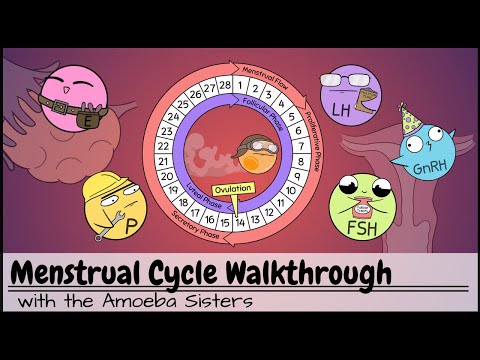
What’s happening during ovulation? Well, ovulation generally occurs around the middle of the menstrual cycle, about 14 days before your next period starts. During this time, your body is flooded with hormones like estrogen and progesterone. These hormones play a huge role in regulating your mood.
Just like how you maybe feel more energetic or sociable during this time, some women find themselves suddenly emotional or tearful. It can feel like you’re riding this wave of heightened sensitivity. Think about it: one moment you’re watching a cute puppy video on social media, and the next you’re *bawling* because it reminds you of your childhood pet.
- Hormonal fluctuations: The changes in estrogen levels can influence neurotransmitters in your brain—like serotonin—which affects mood regulation. Low serotonin can lead to feelings of sadness or irritability.
- Physical discomfort: Some women also experience physical symptoms during ovulation, like cramping or bloating. That discomfort can amplify emotional responses; it’s hard not to feel grumpy when you’re uncomfortable!
- Psycho-social factors: There’s also the societal pressure about fertility and motherhood that might weigh heavy on some minds during this phase. It’s like every commercial or conversation seems to remind you of those expectations.
You know how sometimes you get overwhelmed by life? Well, adding these emotional shifts into the mix makes it all even heavier. It’s totally normal to find yourself crying more easily or feeling overly sentimental about things—more than usual.
Anecdote time: I remember my friend once telling me about a day she had during ovulation where she sat down to watch a movie with her partner. Everything was fine until a scene with family bonding came up. She started crying so hard her partner thought something was seriously wrong! But really? She was just feeling extra sensitive due to those hormonal shifts. They ended up laughing about it later.
This emotional impact is real and common for many women; understanding why helps make sense of those moments when all you want is a good cry over something that wouldn’t normally bother you at all.
If you’re noticing these shifts every month, don’t beat yourself up over it! It’s just part of how our bodies work—and being aware is half the battle! If it’s impacting your daily life too much though? Seeking support from a mental health professional can be really beneficial.
So next time you’re feeling teary-eyed while scrolling through emojis and cat videos at that time of month? Remember: you’re not alone in this little hormonal world!
Understanding Ovulation Emotional Crying: The Impact of Hormones on Mood Swings
So, let’s talk about something that might sound a little weird but is actually super relatable: emotional crying during ovulation. It’s one of those things that, if you’ve experienced it, you probably get why it feels like a roller coaster ride. Your body is going through a lot of changes, and hormones are definitely the main players in this whole emotional drama.
Basically, when you’re nearing ovulation—like that magical time in your cycle when an egg is released—your hormones are all over the place. Estrogen surges up, and then right at ovulation, there’s a spike in luteinizing hormone (LH). This can lead to some intense feelings. Sometimes you’re happy, then suddenly you feel like crying over, I don’t know, a cute puppy video or the fact that your favorite coffee shop ran out of your go-to drink.
Here are some key points to understand how this works:
- Hormonal fluctuations: As estrogen levels rise before ovulation, it can boost your mood temporarily. But once they drop after ovulation, you might feel more emotional.
- PMS symptoms: A lot of people don’t realize emotional crying isn’t just for the days leading up to your period. Those mood swings and heightened emotions can start weeks earlier during your fertile window.
- Cultural expectations: Society often doesn’t talk about these feelings openly. When women experience this emotional upheaval, they might feel embarrassed or confused.
- Individual differences: Everyone’s body reacts differently. For some people, crying might happen more often around ovulation; for others, it could be minimal. It’s totally personal!
You know what’s wild? Sometimes these feelings can even spill over into other areas of life. One moment everything feels overwhelming; the next moment you’re laughing with friends about something silly. It’s kind of like riding a wave—you just have to go with it.
Anecdote time! I remember my friend telling me once how she started crying at the end of her favorite romantic movie while she was ovulating. I mean, she’d seen it like ten times before! She felt kinda silly afterwards but explained that during that phase in her cycle everything just hit differently. It was like her heart was on high alert for any emotional stimulus out there!
The thing to keep in mind is that these emotions are completely natural! If you’re feeling more sensitive or prone to tears during this time every month—or if you’re wondering what on earth is happening—know that you’re not alone and it’s most likely all thanks to those pesky hormones stirring up your feelings!
If those tears become overwhelming or interfere with daily life though? That could be worth discussing with a healthcare professional who understands hormonal health and emotional well-being.
In short: being aware of these emotional shifts can help you handle them better—whether it’s journaling about your feelings or simply letting yourself cry it out sometimes instead of fighting them off!
Effective Strategies to Manage Mood Swings During Ovulation: Tips for Emotional Balance
Mood swings during ovulation can be a real rollercoaster, right? One minute you’re on top of the world, and the next you’re feeling down in the dumps. This happens due to hormonal changes, specifically with estrogen and luteinizing hormone levels rising. During your cycle’s fertile window, these shifts can really affect your emotions. So, if you’ve found yourself feeling like a yo-yo, I get it! Here’s how to manage those intense feelings.
Stay Aware of Your Cycle. Knowing when you’re ovulating can seriously help you prepare for those emotional ups and downs. You might try tracking your period using an app or even just jotting it down in your calendar. Once you see the pattern, it’s easier to brace yourself when those mood shifts are coming.
Practice Mindfulness. Seriously, mindfulness can be a game changer. Just taking a few minutes a day to focus on your breath or observe your thoughts without judgment can keep you more grounded when everything feels chaotic. You could even try using guided meditations available on various platforms; they really help calm that racing mind.
Regular Exercise is another fantastic way to combat mood swings. Even just going for a walk or dancing in your living room releases those feel-good endorphins that lift your mood. You know what I mean? Finding movement that feels fun makes it easier to stick with it!
Eat Balanced Meals. What you eat plays a huge role in how you feel emotionally. Think about incorporating lots of fruits, veggies, whole grains, and protein into your meals. Keeping blood sugar stable helps avoid mood dips – nobody likes feeling hangry! If you’re craving something sweet during this time? Go for dark chocolate; it’s known for boosting serotonin levels.
Connect with Others. If you’re feeling moody or anxious, reaching out to friends or family is key. Sometimes just sharing what you’re going through helps take the weight off your shoulders. Plus, their support can remind you that you’re not alone in this wild ride.
Avoid Stress Triggers. It’s like navigating through a minefield sometimes! Be mindful of situations or people that crank up your stress levels when you know you’re more vulnerable emotionally. You don’t need added drama; setting boundaries could become essential at this time!
Consider Professional Help. If mood swings become overwhelming or interfere significantly with daily life, chatting with a therapist could be beneficial. They can offer tools tailored specifically to what you’re experiencing.
Managing mood swings during ovulation involves understanding what’s happening within your body and adopting strategies that empower rather than drag you down. It’s all about finding balance and being kind to yourself.
So, let’s talk about emotional shifts during the fertile window. It’s interesting how, around the time when someone could potentially get pregnant, emotions can really swing like a pendulum. You might feel high as a kite one moment and then crashing down into this blue mood the next.
Think about it: hormones are like those wild roller coasters at an amusement park. You know, just when you think you’ve hit that flat ride, boom—upside down again! Right around ovulation, estrogen is rising; it’s this feel-good hormone that can boost your mood and energy levels. You might find yourself feeling sexy and confident or just downright joyful about life itself. And it’s not just in your head; there’s actual research backing this stuff up.
But then, after ovulation hits, progesterone steps in and changes the game. This hormone is more calming but can also bring on feelings of irritability or sadness for some people. And let me tell you, I’ve heard stories—like a friend who described crying over spilled milk during her luteal phase. No kidding! It’s mostly linked to these hormonal fluctuations making everything feel way more intense than usual.
You might notice things that usually wouldn’t bother you suddenly become huge dealbreakers! Maybe your partner forgot to take out the trash or someone cut you off while driving—it could all spiral into a full-on emotional meltdown!
It’s like riding the waves of your feelings without really knowing when they’re going to crash over you or lift you up again. I mean, talk about exhausting!
But here’s the thing: acknowledging these shifts is crucial. Recognizing what’s going on with your body gives you power over those unpredictable feelings. It helps to take a step back sometimes and say to yourself: «Hey, this is temporary.» When you understand why things feel so chaotic emotionally, it can make dealing with it all a bit easier.
So yeah, if you’re experiencing those ups and downs during your fertile window—know that you’re not alone in all the hormonal craziness! It’s totally normal to ride that emotional roller coaster; just hang on tight and remember—it’ll pass soon enough!