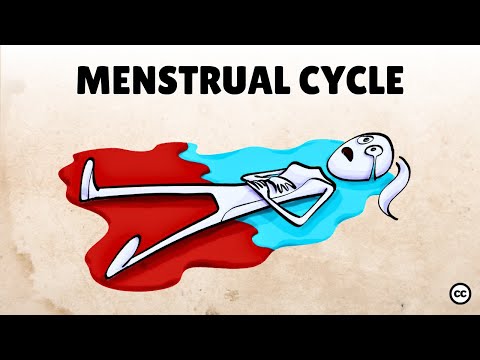
Alright, think about this for a second: have you ever noticed you’re just feeling a bit off during certain times of the month? Like, one minute you’re on top of the world, and the next, everything’s a bit… much?
Well, that’s often tied to ovulation. Your hormones do a real number on your emotions. Seriously, they can flip your mood like a pancake! You can feel energized and motivated or totally drained and irritable.
It’s wild how our bodies work sometimes. And it’s not just physical changes; there’s this whole emotional rollercoaster happening too! Let’s unpack how ovulation messes with our brains and hearts. Trust me, it’s a ride worth taking.
Understanding Mental Changes During Ovulation: How Hormones Affect Your Mood and Mindset
Understanding Mental Changes During Ovulation
So, let’s talk about ovulation and how it can mess with your head a little. You might not realize this, but during your menstrual cycle, hormones go on a wild rollercoaster ride. This can totally affect your mood and mindset.
When you’re ovulating, estrogen levels peak significantly. And guess what? Estrogen has been linked to mood elevation. You might feel more energized and social during this time, which is kind of nice, right? But that’s just the tip of the iceberg.
On the flip side, there are other hormones like progesterone that start to kick in after ovulation. This hormone is known for having a more calming effect, but it can also bring on some emotional turbulence for some people. During this phase, you could feel a bit more anxious or even moody as your body gears up for potential pregnancy.
Let’s break it down a bit more:
- Increased Emotional Sensitivity: Your feelings might feel amplified around ovulation. Like you could cry at an adorable puppy video or get super irritated over small things.
- Elevated Energy Levels: Some folks find their energy is peaking during this stage. You could feel ambitious and motivated to tackle your goals.
- Anxiety and Irritability: As progesterone rises post-ovulation, some may experience increased tension or anxiety. It’s like riding an emotional wave.
- Changes in Social Interactions: People often report feeling more outgoing when they’re fertile (around ovulation). There’s something about those heightened hormone levels that makes socializing seem appealing.
I remember chatting with a friend who always felt great during her ovulation phase; she’d plan fun outings and embrace her active social life. But then right after that window was over? That was another story—she felt low energy and sometimes even irritable.
So basically, while ovulating can bring some positive vibes due to those lovely estrogen levels soaring high, it can also be accompanied by challenges once progesterone comes into play. Keep an eye on these shifts; maybe even track them if you think it’ll help! Knowing what’s happening in your body can give you insight into why you’re feeling off sometimes.
In summary, understanding how hormones affect your mind can make navigating these emotional changes feel a bit less daunting—you’re not alone in this!
Understanding the Link Between Ovulation and Anxiety: Causes and Coping Strategies
Understanding the Link Between Ovulation and Anxiety
So, let’s chat about this interesting connection between ovulation and anxiety. You might have noticed that around the middle of your cycle—when ovulation happens—you can feel a bit more anxious or emotionally charged than usual. That’s totally normal. Let’s break it down.
First off, ovulation is when an egg is released from the ovaries, usually around day 14 in a typical 28-day cycle. Your hormones go on a rollercoaster ride during this time, especially estrogen and progesterone. This hormonal shift can seriously affect your mood and emotions, leading to increased anxiety for some people.
Hormones and Emotions
Basically, estrogen helps boost serotonin levels, which are kind of like your brain’s feel-good chemicals. But as ovulation approaches, these hormone levels fluctuate wildly. For some people, lower serotonin can mean feeling more anxious or irritable as if you’re on edge.
You might wonder why this happens specifically during ovulation. Well, our bodies are wired to be sensitive to hormonal changes because they signal fertility times. It’s like nature’s way of preparing you for potential pregnancy—even if you’re not in that zone right now.
Physical Symptoms of Anxiety
Along with emotional changes, there may also be physical symptoms that come knocking at your door during this time:
- Pounding heart or palpitations
- Tightness in the chest
- Muscle tension
- Feeling restless or unable to relax
- Changes in sleep patterns
Imagine being at work trying to concentrate while feeling like your heart is doing somersaults! It can be tough.
Coping Strategies
If you find yourself feeling more anxious during ovulation, don’t panic; there are ways to cope with these feelings:
- Stay Active: Exercise is a serious mood booster. Even a quick walk can help release those feel-good endorphins.
- Meditation: Just a few minutes of mindfulness can ground you when your thoughts start racing.
- Adequate Sleep: Make sure you’re getting enough rest—sleep is key for emotional regulation.
- Nutritional Balance: Eating well can make a big difference! Foods rich in omega-3s or whole grains help keep everything balanced.
- Caffeine Awareness: If you notice caffeine makes your anxiety worse during this time, it might be worth cutting back.
Remember that everyone experiences these changes differently. You might want to keep track of how you’re feeling throughout your cycle using a journal or an app. This little practice could help you recognize patterns over time.
Understanding Emotional Shifts: Why You Might Cry for No Reason After Ovulation
So, let’s talk about those emotional shifts that can hit you after ovulation. You know, the times when you find yourself tearing up over a commercial or just feel like the world is a bit much? It’s totally real, and there’s some science behind it!
After ovulation, which usually happens around the middle of your menstrual cycle, your hormones can go a bit haywire. Estrogen and progesterone levels fluctuate, and that can really mess with your mood. For many, these hormonal changes can lead to feelings of sadness or irritability.
Here’s what happens: right after ovulation, your body ramps up production of progesterone to prepare for a potential pregnancy. This hormone plays a role in calming the body down but can also make you feel more emotional. You might notice yourself crying over things that normally wouldn’t bother you.
- Physical Symptoms: You may experience bloating or breast tenderness during this time, which isn’t fun. These physical discomforts mix with emotional sensitivity.
- PMS or PMDD: Some people experience premenstrual syndrome (PMS) or its more severe form, premenstrual dysphoric disorder (PMDD). If that’s you, heightened emotions like sadness are common in the luteal phase after ovulation.
- Coping Mechanisms: Finding healthy ways to cope—like talking to a friend or journaling—can really help manage those emotions when they come crashing in.
You’re not alone in feeling this way! Many women report crying out of nowhere during this phase. Maybe you remember a time when something small made you tear up? A movie scene that normally wouldn’t phase you suddenly hits hard? That’s those hormones having their fun!
The way your brain processes emotions is also part of it. The fluctuation in hormones affects neurotransmitters, like serotonin—the “feel-good” chemical—which means you might feel more down than usual post-ovulation.
If these emotional shifts seriously impact your life—like making it hard to get through work or social events—it could be worth talking to someone about it. Sometimes therapy can provide tools to handle those ups and downs better.
The bottom line is this: Emotional changes post-ovulation are as real as they come! Trust me; understanding what your body goes through can make a difference in how you react when those tears well up unexpectedly.
So, let’s talk about ovulation and all the crazy emotional changes that can come with it. You might’ve noticed you feel a little different around that time of the month. For some reason, you just have this surge of energy or maybe you’re more sensitive than usual, right? It’s like your emotions go on a rollercoaster ride.
I remember chatting with a friend once. She was feeling all over the place during her cycle, and at one point, she said she felt like she was either on top of the world or in a deep pit of despair, often switching between the two within hours. It got me thinking about how our hormones can seriously mess with our heads.
During ovulation, estrogen spikes, which can really energize you but also make your emotions swing wildly. You might feel more confident and sociable one minute but suddenly overwhelmed the next. Some people find that they’re extra sensitive to things that wouldn’t usually bother them—like a friend’s offhand remark or a sad song can hit harder than normal.
This isn’t just something to shrug off; those feelings are real. They can affect everything from work performance to relationships. The thing is, if you know what to expect emotionally when you’re ovulating, it helps a lot in managing those feelings.
But here’s the twist: some people don’t realize this connection at all! They might think they’re just having an “off” day without understanding it could be tied to their cycle. So really being in tune with your body can help you navigate these ups and downs.
In any case, there’s nothing wrong with talking about these experiences—whether it’s with friends or even seeking guidance from professionals if things get too heavy to handle alone. Just remember—your emotions are valid no matter where they stem from!