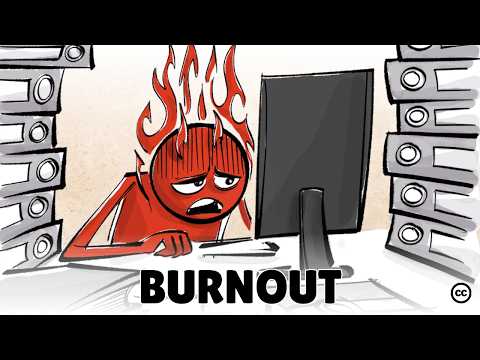
You know that feeling when you’ve just had it? Like, you’re running on empty, and everything feels a bit too much? Yeah, that’s emotional exhaustion.
It’s not just being tired; it’s like your mind and heart are waving a big white flag. Seriously, it can sneak up on you when life gets overwhelming—work stress, family drama, or just the daily grind, you feel me?
So, let’s chat about what this exhaustion really means. And I promise—you’re not alone in feeling this way. We’ll sift through the signs and see how it ties into mental health, because understanding is half the battle.
Effective Strategies for Overcoming Emotional Exhaustion: A Comprehensive Guide to Treatment
Emotional exhaustion, man, it’s tough. It’s like running a marathon without ever getting a break. You feel drained, overwhelmed, and sometimes as if you’re just going through the motions of life. And let me tell you, it can sneak up on you like that friend who always shows up uninvited.
So basically, emotional exhaustion often comes from prolonged stress or overwhelming demands on your mental energy. You might find yourself feeling irritable, easily fatigued, and just kinda “meh” about things that used to excite you. The trick is figuring out how to bounce back from this slump.
First off, let’s look at some effective strategies for overcoming this tiredness:
1. Acknowledge Your Feelings
It’s super important to recognize what you’re feeling. Seriously, when was the last time you said to yourself, “Hey, I’m feeling burnt out”? Just naming it can give you a sense of control.
2. Set Boundaries
Look, it’s okay to say no sometimes. If you’re juggling too much—whether it’s work or personal obligations—set some limits for yourself. You don’t have to be everyone’s go-to person all the time.
3. Practice Self-Care
You know those days when you feel like doing nothing? Well, embrace those sometimes! Self-care isn’t selfish; it’s essential. Take a bath, read a book, or binge-watch that show you’ve been meaning to check out.
4. Get Moving
Exercise doesn’t have to mean hitting the gym hard for hours. Even a short walk can do wonders for your mood and energy levels—and who doesn’t love some fresh air?
5. Connect with Others
Talk about what you’re feeling with friends or family. Sometimes just sharing your feelings can lighten your load—even if they can’t fix things for you.
6. Seek Professional Help
If emotional exhaustion feels too heavy to bear alone, don’t hesitate to reach out for support from a therapist or counselor who gets it.
As I mentioned earlier, there are real methods people use—like mindfulness techniques—that might help reduce that emotional drain too! These practices encourage living in the moment and accepting current feelings without judgment.
And here’s an example: imagine Sarah at work constantly taking on more projects than she should because she wants to impress her boss (you know how it is). Over time, she starts dreading Mondays and counting down the days until Friday—not exactly a fulfilling way to live life! But when she finally sets boundaries by saying «no» more often and makes time for friends and hobbies again? Big change in her outlook!
Just remember; everyone faces ups and downs emotionally—it’s super common! And there’s no one-size-fits-all solution here so try different techniques until something clicks with you.
Emotional exhaustion can feel isolating but recognizing it is the first step toward feeling better again! So take a deep breath; you’re not alone in this journey.
Understanding Emotional Exhaustion: Take Our Free Test to Assess Your Mental Well-Being
Emotional exhaustion is a real thing, and it can hit you hard. You know that feeling when you’re just drained, like you can’t even deal with another text or email? Yeah, that’s what we’re talking about. It’s that mental and emotional fatigue that creeps in when life’s demands feel like too much. And it can mess with your everyday life—your relationships, work, everything.
When we think about emotional exhaustion, it’s often linked to prolonged stress. You might feel like you’re always on a treadmill, running but not getting anywhere. After a while, this constant hustle can leave you feeling empty and worn out. Sound familiar?
There are some key signs of emotional exhaustion:
- Persistent fatigue: You just can’t shake off that tired feeling.
- Insomnia: Even when you want to sleep, your mind races.
- Irregular mood swings: One moment you’re fine; the next, you’re in tears over something small.
- Feeling detached: You might find yourself zoning out or feeling disconnected from others.
- Difficulty concentrating: Focusing on tasks feels nearly impossible.
Imagine this: You’ve been at work all week, dealing with deadlines and endless meetings. Finally Friday rolls around, but instead of being excited about the weekend, you’re just… done. You can’t even muster up the energy for plans with friends. That’s a classic sign of emotional exhaustion.
But here’s the deal—assessing where you’re at can be super helpful. Taking a simple test to evaluate your mental well-being might provide some clarity on how you’re doing emotionally. It could help identify whether what you’re experiencing is true emotional exhaustion or something else altogether.
Hey, don’t underestimate taking time to check in with yourself! When did you last ask yourself how you’re really feeling? Seriously! Giving yourself that moment can lead to more awareness about your needs and boundaries.
And remember—if any of this sounds spot-on for you, it’s okay to seek support! Talking things out with someone—a friend or therapist—can make a huge difference. You’re not alone in this struggle; many people experience these feelings at some point in their lives.
So yeah—that’s emotional exhaustion in a nutshell! It’s important to stay aware of how we feel emotionally because it truly affects every part of our lives. Take care of yourself—you deserve it!
Emotional Exhaustion vs. Burnout: Understanding the Key Differences and How to Cope
Emotional exhaustion and burnout often get tossed around like they’re the same thing, but trust me—they’re not. They come from similar places, but they hit you in different ways. So let’s break it down.
First off, let’s chat about emotional exhaustion. This is when you feel drained and overwhelmed by your feelings. Imagine running a marathon in your head—you’re physically okay, but mentally? You’re totally wiped out. You know that feeling where everything just seems too much? Maybe you’ve been dealing with family drama or a tough breakup. It can feel like carrying a heavy backpack full of rocks, day after day.
Now, burnout is more like being stuck in a super boring job that drains the life outta you. It’s usually tied to work or prolonged stress from different areas of your life. Burnout can leave you feeling cynical about everything, like when you just can’t muster up the energy to care anymore. Think about this: You used to love painting or cooking, and now? It’s like pulling teeth to even pick up a brush or spatula.
So what are the key differences? Let’s break it down:
- Source of Stress: Emotional exhaustion often comes from personal situations—think relationships or emotional challenges. Burnout is usually work-related.
- Feelings: With emotional exhaustion, you might feel sad or hopeless; with burnout, there’s more of a sense of detachment.
- Energy Levels: Emotional exhaustion leaves you feeling drained but still somewhat engaged; burnout takes away your motivation entirely.
Coping with these feelings isn’t one-size-fits-all, so it helps to find what resonates with you. Here are some ideas that might help:
- Talk It Out: Whether it’s friends or therapy, sharing how you’re feeling can lighten that heavy load.
- Set Boundaries: Protect your time and energy; learn when to say no—this goes for both work and personal commitments.
- Pursue Hobbies: Re engaging with things you love can rekindle joy and give you a mental break.
You know, I had a friend who went through something similar. They were always on-the-go at work and juggling family stuff too. One day they just crashed—couldn’t get out of bed for days! That was emotional exhaustion talking loud and clear. After some soul-searching and setting better boundaries at work, they found their spark again.
In short, while both emotional exhaustion and burnout mess with our heads and hearts in their own ways, recognizing what’s hitting us allows us to tackle it better. A little self-care goes a long way!
Emotional exhaustion, wow, it’s something so many of us can relate to, but it often gets brushed under the rug. You know, that feeling when you’re just… drained? Like you’ve been running a marathon in your mind instead of on your feet? It’s that heavy weight on your shoulders that makes even getting out of bed feel like scaling a mountain.
I remember a time when I had a friend who was juggling work stress and family issues. She seemed fine at first, always cracking jokes and keeping spirits up. But one day, out of the blue, she just broke down over a spilled cup of coffee. I mean, seriously! It wasn’t even about the coffee—it was everything piling up inside her. That moment highlighted how emotional exhaustion isn’t just about being tired; it’s like having this invisible backpack filled with bricks you didn’t even realize you were carrying.
Emotional exhaustion often creeps in slowly, almost sneakily. It comes from dealing with constant pressure—whether it’s work demands, personal relationships, or just the chaotic world around us. You might feel overwhelmed by emotions or numb to them altogether. Like when you’re watching your favorite show but can’t even focus on the plot because your mind is racing elsewhere.
And here’s where it hits hard: it can lead to burnout if we don’t pay attention to those signs early on. The thing is, we often ignore our own needs while trying to support others or meet obligations—like runners pushing through the finish line despite their legs screaming for rest. This mindset can leave us feeling isolated as we struggle to articulate what we’re experiencing.
In mental health contexts, identifying emotional exhaustion is key to finding that balance again. It’s not always easy—you may find yourself cycling through feelings of anger and sadness without really knowing why. But taking a step back? That’s essential. It means recognizing when it’s time to recharge our batteries and maybe lean on someone else for support.
So if you ever find yourself feeling constantly fatigued by emotions or interactions, remember: you’re not alone in this messy journey! Acknowledging emotional exhaustion is the first step toward reclaiming your energy and peace of mind. After all, finding your way back from that heavy backpack isn’t just about shedding some bricks; it’s also about learning how to carry only what truly matters moving forward.