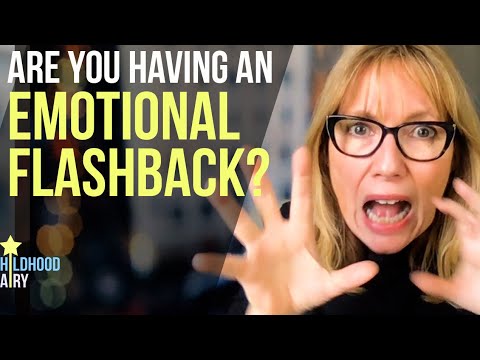
Have you ever suddenly felt overwhelmed by emotions that seemed to come outta nowhere? Like, one minute you’re chillin’, and the next you’re hit with a wave of sadness or anger?
Yeah, that can feel super confusing. You might even wonder what the heck is going on.
These moments can sometimes be what we call emotional flashbacks. They sneak up on you, often tied to past experiences that haven’t fully healed yet.
It’s not just you; a lot of people go through this. And understanding those symptoms can really help you make sense of it all.
Let’s break it down together, shall we?
Understanding the Physical Symptoms of Emotional Flashbacks: A Comprehensive Guide
Emotional flashbacks can hit you like a surprise tidal wave. They often come from unresolved trauma or deep emotional pain. You know, they’re not like the typical flashbacks where you see things from the past play out in front of your eyes. Instead, they pull you right back into the feelings of your trauma without any warning. And yeah, they can bring some pretty intense physical symptoms along for the ride.
When you experience an emotional flashback, your body might react as if it’s reliving that moment all over again. This is totally normal, but it can be really confusing and overwhelming. You might not even be consciously aware of what’s triggering it.
So let’s break down a few common physical symptoms you could face during these emotional flashbacks:
- Rapid heartbeat: Your heart may feel like it’s racing, almost as if it’s trying to escape danger.
- Sweating: This might seem odd if you’re just sitting at home, but your body’s fight-or-flight response kicks in.
- Trembling or shaking: Your muscles might feel tight and shaky as if you’re gearing up for a sprint.
- Nausea: Some people feel a knot in their stomach or even feel physically sick.
- Dizziness: It’s super common to feel lightheaded or off-balance during these moments.
Let’s chat a bit about that rapid heartbeat. Imagine sipping coffee and suddenly feeling like you’ve just sprinted up a hill—heart pounding away! It’s uncomfortable, right? That’s what happens during an emotional flashback; your body’s on high alert.
Then there’s sweating. Even if you’re in an air-conditioned room, sweat can bead on your forehead without any good reason. Your brain is reacting as though there’s immediate danger—even when there isn’t.
And when it comes to trembling or shaking, picture this: You’re standing in front of someone who makes you anxious—your hands start to shake uncontrollably like you’re holding onto the world’s shakiest jelly.
Sometimes people even get nauseated—like after eating something bad—your stomach churns while emotions swirl inside you. Dizziness can take hold too; maybe it feels like the room is spinning because all those feelings are just too much to handle at once.
These physical reactions are essentially your body telling you something’s wrong—or that you’ve been thrown back into a time when things felt incredibly unsafe or overwhelming. Recognizing what’s happening can be so helpful because then you’re not just lost in the storm of feelings.
So remember: give yourself grace if these happen; they’re signals from your body about deeper emotions at play rather than signs that something’s wrong with you personally. Understanding this stuff is key—it helps put some control back in your hands! You’re not alone in this struggle; many face similar experiences without even realizing it.
Connecting with a therapist who understands trauma could really help ground yourself again when these flashbacks occur. They can guide you through tools and techniques to manage both the emotional and physical sensations better over time.
Ultimately, the goal is to move towards healing—and knowing what those physical symptoms mean is a pretty solid first step!
Understanding Flashbacks: Mental Illnesses That Trigger Distressing Memories
Flashbacks can be pretty intense and, honestly, they’re not talked about enough. Imagine you’re going about your day, and suddenly it feels like you’re transported back to a moment that was really painful or frightening. For some people, this experience is tied to various mental health conditions. Understanding what triggers these flashbacks, and how they fit into the bigger picture of mental health is key.
Flashbacks often come up for folks dealing with trauma-related disorders, like Post-Traumatic Stress Disorder (PTSD). This condition can occur after someone has experienced or witnessed a traumatic event. So, let’s say someone was in a serious car accident—out of the blue, they might hear a loud noise or see something familiar that sparks those memories.
And it’s not just PTSD; other conditions can trigger flashbacks too. For instance:
- Complex PTSD (C-PTSD): This is like an advanced version of PTSD. It usually happens when someone goes through long-term trauma, like ongoing abuse or neglect.
- Dissociative Disorders: These sometimes involve flashbacks where the person might even feel disconnected from their surroundings.
- Borderline Personality Disorder (BPD): People with BPD often experience emotional instability and may have intense emotional flashbacks tied to feelings of abandonment.
Imagine this: you’re hanging out with friends at a cafe and suddenly you smell something that reminds you of your grandmother’s house when you were a kid. But instead of happy memories flooding in, it takes you back to the last time she was sick—you feel her absence intensely all over again. That sudden shift? That’s an emotional flashback.
These experiences can leave you feeling shaken or overwhelmed. They often bring physical reactions too—like racing heartbeats, sweating, or feeling dizzy. You could even start avoiding places or situations that remind you of the memory.
So if you’re wondering where to go from here—first off, recognizing these symptoms is huge! It’s important to talk about what you’re feeling with someone who gets it—a therapist or trusted friend can make such a difference. Techniques such as grounding exercises help focus on the present moment and can be super effective in managing symptoms.
In summary, understanding flashbacks is essential because they reveal how our past experiences shape our emotional responses today. And getting help isn’t just about pushing through; it’s about finding ways to cope with those memories so they don’t take control over your life. It’s totally okay to seek support—it can really change everything!
Understanding the Experience of CPTSD Flashbacks: What It Feels Like and How to Cope
Understanding the experience of CPTSD flashbacks is crucial if you or someone you know is dealing with them. Imagine you’re just going about your day, maybe sipping coffee or scrolling through your phone, and suddenly—bam!—you’re transported back to a traumatic moment from your past. It’s not just a memory; it feels real again, like you’re actually there. That’s what makes flashbacks so intense.
What does a flashback feel like? Well, it can be overwhelming. For some people, it’s seeing things that aren’t really there or hearing sounds from the past that echo in their minds. You might feel the same emotions you felt back then—fear, confusion, anger—like those feelings are rushing right back to you. You could start sweating or shaking. Your heart might race as if you’re still in danger.
And get this: it’s not just visual. Sometimes people experience flashbacks as strong feelings without any specific images or sounds. It’s like your body remembers what happened even when your mind is trying to forget.
When it comes to coping with these experiences, there are a few strategies that can make it easier:
- Grounding techniques: These help you stay in the present moment. Try focusing on your senses—what do you see? What do you hear? Touch something nearby to remind yourself you’re safe.
- Breathe deeply: Seriously, deep breaths can work wonders! Inhale slowly through your nose and exhale through your mouth. It helps calm down that panic response.
- Talk about it: Sharing how you feel with someone you trust can lighten the load a bit. It might bring clarity and support.
- Professional support: Talking to a therapist who understands CPTSD is super important. They’ve got tools and techniques tailored for this kind of struggle.
There was this one time when a friend of mine told me about her first flashback after years of trying to move on from her trauma. She was out for a run when suddenly she felt as though she was back at that awful place where everything went wrong. The panic hit her like a wave; she felt trapped in that moment again despite being miles away and completely safe now.
What made it better for her was knowing she wasn’t alone in this struggle and seeking help from someone who specialized in trauma therapy.
Remember, everyone’s experience with CPTSD and flashbacks is unique! There isn’t one-size-fits-all advice here; what works for one person might not totally resonate with another. So be patient with yourself or anyone else going through this journey.
Like I said before: grounding techniques, discussing feelings, and reaching out to professionals can definitely help ease those rollercoaster rides of emotion triggered by flashbacks. And while they may feel incredibly intense at times, know that there are paths toward healing!
You know, emotional flashbacks can be really tricky. They’re not like the usual flashbacks you might think of with a vivid image or scene from the past. Instead, they hit you with a wave of feelings that take you back to a time when things were tough. It’s wild how something seemingly small can suddenly trigger those deep emotions.
I remember chatting with a friend who had been through some serious stuff as a kid. One day, she was just sitting there, enjoying her coffee, and suddenly started getting anxious when she heard someone raise their voice in the café. It wasn’t directed at her or anything! But the intensity of that moment transported her back to a time when she was terrified during arguments at home. It wasn’t even about her anymore; it was about that feeling of fear and helplessness that had taken hold of her.
Recognizing these emotional flashback symptoms is key for anyone dealing with mental health issues, especially folks who’ve faced trauma. Symptoms can pop up as intense anxiety, mood swings, or feeling disconnected from reality. You might feel overwhelming sadness or anger, even if what’s happening around you doesn’t seem to warrant it. And let’s be real—sometimes it’s hard to pinpoint what triggered it in the first place.
So how do you know if you’re experiencing an emotional flashback? Well, pay attention to how your body feels and reacts in those moments. Are your heart racing? Do your palms get sweaty? That visceral response is usually connected to deeper emotions trying to surface.
The thing is recognizing these patterns can really help in processing feelings better instead of letting them control your reactions blindly. Talking it out with someone—like a therapist or even just a compassionate friend—can make such a difference too! Sometimes just saying out loud what you’re feeling reminds you that it’s okay to feel overwhelmed sometimes.
It’s all about understanding yourself more deeply and finding ways to navigate those tricky emotional waves without getting swept away by them again and again. Just remember: you’re not alone in this!