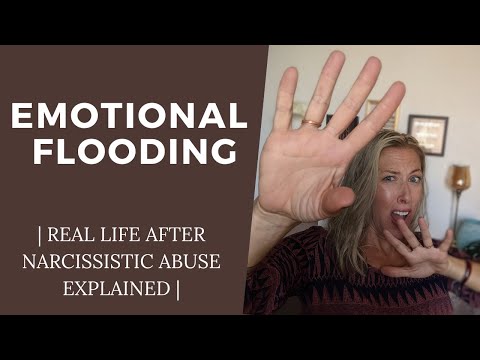
You know those moments when everything just feels too much? Like, you’re standing there and BAM! Waves of emotions crash over you. It can be overwhelming, right?
Well, if you’ve been through trauma, this kind of stuff can hit hard. It’s called emotional flooding. Seriously, it can feel like you’re drowning in your own feelings.
But here’s the thing: you’re not alone in this. Lots of people with PTSD experience these intense floods of emotion. It’s part of the journey to healing.
So let’s chat about it. Let’s figure out what emotional flooding really means and how to ride those waves instead of getting swept away. Sound good?
Understanding Emotional Flooding in ADHD: Strategies for Managing Overwhelming Feelings
Emotional flooding can feel like you’re drowning in your own feelings. For people with ADHD, it often comes out of nowhere. One minute you’re cruising along, and the next, you’re overwhelmed by a tidal wave of emotions. It’s kind of like standing in an emotional storm without any warning signs.
When we talk about emotional flooding in ADHD, we’re looking at how intense feelings can escalate quickly. This can happen due to stress, frustration, or even unexpected changes in routine. You might find yourself becoming irritable over small things or feeling sad for no clear reason. It’s really no fun.
Why does this happen? Well, the brain processes emotions differently in people with ADHD. It can struggle to regulate emotions and react more intensely than someone without ADHD would. So when you feel something, it’s like turning up the volume on your emotions to eleven!
Managing these overwhelming feelings is super important. Here are some strategies that can help:
- Recognize triggers: Pay attention to what makes you feel flooded. Is it certain situations or conversations? Knowing your triggers helps in managing them.
- Tune into your body: Sometimes physical sensations precede those big emotions. Do you notice your heart racing or feeling jittery? Learning to recognize these signs can be key.
- Practice grounding techniques: When things feel too much, try focusing on your surroundings—like looking at five things around you or listening for three different sounds.
- Create a calming space: Having a go-to spot where you can relax can be handy during emotional floods. It could be a cozy chair or a quiet corner—just somewhere that feels safe.
- Breathe: I know this sounds simple, but deep breathing truly works wonders! Taking slow breaths—in through your nose and out through your mouth—can help calm that emotional storm.
Let me tell you about my friend Jess who has ADHD. One day, she was having a pretty typical morning until her coffee spilled everywhere—like everywhere! Instead of laughing it off or cleaning it easily, Jess felt her heart pound and tears well up in her eyes out of nowhere. That’s emotional flooding right there! But here’s the cool part: after some deep breathing and stepping away for a bit, she managed to regain control and clean it up without losing her cool.
If these strategies aren’t cutting it on their own, talking to a therapist could really help too! They can guide you through understanding those intense emotions better and teach techniques specific to managing them effectively.
Remember that handling emotional flooding takes practice and patience—it’s totally okay if progress is slow sometimes! The goal is not to avoid feelings but instead learn how to ride those waves when they come crashing down around you. So next time life throws something unexpected your way, take a breath and remember: you’ve got this!
Understanding Emotional Flooding in PTSD: Symptoms, Causes, and Coping Strategies
Emotional flooding is, well, kind of like when your emotions decide to throw a party and forget to let you in on it. For folks dealing with PTSD, this experience can be intense and overwhelming. You might feel like you’re drowning in feelings that come out of nowhere. Let’s break it down a bit.
What is Emotional Flooding?
Basically, it’s when emotions hit you all at once. Imagine you’re trying to swim in the ocean, and suddenly a wave comes crashing down on you. For someone with PTSD, these waves can be triggered by reminders of past traumas—like sights, sounds, or even smells that bring back painful memories.
Symptoms of Emotional Flooding
When emotional flooding happens, you may notice things like:
- Anxiety: You might feel your heart racing or sweat more than usual.
- Overwhelming Sadness: A wave of sadness can make everyday tasks seem impossible.
- Irritability: Little annoyances may start to feel unbearable.
- Panic Attacks: You could find yourself feeling short of breath or dizzy.
- Dissociation: It’s like your mind goes blank or detaches from reality for a bit.
Think about Sarah—a friend who served in the military. One day at work, she heard a loud noise that reminded her of gunfire. Suddenly, her hands started shaking, and she couldn’t concentrate. That feeling kept her frozen for hours.
Causes of Emotional Flooding
So what makes this happen? It’s often rooted in past experiences—trauma can leave deep scars. When something reminds you of that trauma, your body goes into fight-or-flight mode. This reaction is meant to protect you but can lead to emotional flooding instead.
For people with PTSD, it’s like their brains are on high alert all the time. They might struggle with memories they can’t shake off or flashbacks where they relive their trauma as if it’s happening again.
Coping Strategies
Finding ways to handle emotional flooding is super important for recovery. Here are some strategies that can help:
- Breathe Deep: Simple breathing exercises can help calm your nervous system down.
- Acknowledge Your Feelings: Instead of pushing feelings away, say “Okay, I’m feeling this.” Recognizing emotions is a big first step.
- Create Safe Spaces: Whether it’s a cozy corner at home or a favorite park bench outside—find places where you feel relaxed and safe.
- Talk it Out: Talking with someone trustworthy about your feelings can make a world of difference.
- Meditation and Mindfulness: These practices help bring you back to the present moment when emotions get too intense.
Let’s revisit Sarah: after that overwhelming day at work, she decided to join a support group for veterans. Sharing her experiences helped her connect with others who understood what she was going through—you know? Plus, using breathing exercises before bed made her nights calmer.
Emotional flooding doesn’t have to run your life; it takes time and effort to learn how to manage those waves of emotion. Recovery from PTSD isn’t always easy; but finding tools that work for you can make all the difference in navigating those stormy waters!
Understanding Emotional Flooding Trauma: Signs, Effects, and Healing Strategies
Emotional flooding is a term that gets thrown around a lot, especially when talking about trauma and PTSD. It’s that overwhelming rush of feelings that can hit you out of nowhere. You know, like when you’re fine one minute, and then suddenly you’re engulfed in anxiety, sadness, or anger. It can feel like a tidal wave crashing over you.
What is Emotional Flooding? It’s when your emotions become too intense to handle. Imagine you’re stuck in a crowded subway, and the train stops suddenly. Panic sets in—heart racing, breath quickening. That’s emotional flooding in action. The part of your brain that processes emotions gets hijacked, leaving little room for rational thought.
Signs of Emotional Flooding can vary from person to person. But some common signs include:
If you’ve ever experienced these sensations all at once during a stressful moment like an argument or when faced with triggering memories, you might have been flooded.
The effects of emotional flooding can be pretty significant too. It often leads to avoidance behaviors—you’ll start dodging situations that remind you of past trauma because they’re just too intense to face. This can trap you in a cycle where the more you avoid, the more those feelings take hold.
Let me tell you a quick story: A friend of mine went through something traumatic—a car accident—and for months afterward, she would freeze up every time she heard a siren. Those moments would flood her with fear and memories she wasn’t ready to confront. It took her a while to realize it was *emotional flooding* at play.
Now onto healing strategies. There are ways to manage and navigate through emotional flooding:
It’s important not to rush this process; healing takes time and patience.
In summary, emotional flooding can be tough but knowing its signs and effects is half the battle. Implementing some healing strategies may help reclaim your sense of control as you work through trauma recovery. Just remember—you’re not alone in this journey!
So, you know, emotional flooding can feel like being caught in a storm that just won’t let up. For folks dealing with PTSD, this experience can be particularly intense. Imagine it—one minute you’re just going about your day, and the next, bam! You’re overwhelmed by a surge of emotions that sweep you off your feet.
I remember my friend Sarah telling me about her experience with PTSD. She was at a family gathering when a loud noise from the kitchen suddenly triggered a memory she thought she had tucked away. Her heart raced, palms got sweaty, and she felt like she was drowning in panic. It’s wild how quickly something can shift your entire emotional landscape.
When you’re navigating this kind of flooding, it’s super important to have some grounding strategies in place. I mean, first off, acknowledging what’s happening can be really powerful. Like, instead of trying to shove those feelings down or pretend they don’t exist, just say to yourself: “Okay, I’m feeling overwhelmed right now.” You know? That little acknowledgment can create some space to breathe.
Breathing techniques are another lifesaver. Deep breaths can help slow down that racing heart and calm things down. And trust me; it sounds so basic but focusing on your breath really helps anchor you back in the moment instead of letting your mind run wild.
Also, don’t underestimate the power of having a support system around you. Whether it’s friends or family—or even a therapist—it’s crucial to have people who understand what you’re going through and who encourage you through those waves of emotions.
Remember that recovery isn’t linear either; it’s messy and unpredictable! Just because you’re having a tough moment doesn’t mean you’re back at square one. Each time you ride out an emotional flood—whether it’s through journaling or talking with someone—you’re building resilience for the future.
At the end of the day, everybody has their own unique journey when dealing with PTSD and emotional flooding. So give yourself grace as you navigate through those storms—you’re not alone in this fight!