You know those days when your emotions feel like they’re on a rollercoaster? One minute you’re up, and the next, you’re just… not. It’s exhausting.
Honestly, sometimes it feels like there’s a storm brewing inside you. You think you’ve got it under control, but—boom!—something small sets it all off.
What if I told you there’s a way to help calm that chaos? Like, seriously. Emotional grounding techniques can be a game changer for your mental health.
These little tricks can help pull you back from the edge and make sense of what’s swirling around in your head.
So, let’s chat about some simple ways to find your feet again when everything feels wobbly. Sound good?
Essential Grounding Techniques: Download Your Free PDF Guide for Mental Wellness
Grounding techniques are like those safety nets we all need sometimes. They help you manage overwhelming emotions and bring your focus back to the present. And let’s be honest, life can throw some pretty intense stuff your way, right? So knowing how to ground yourself is a big deal.
When you’re feeling anxious or stressed, grounding techniques can pull you back down to Earth. They’re about reconnecting with your body and surroundings. Basically, it’s about shifting your attention from whatever’s going on in your head to what’s happening right here and now.
You might want to try a few of these:
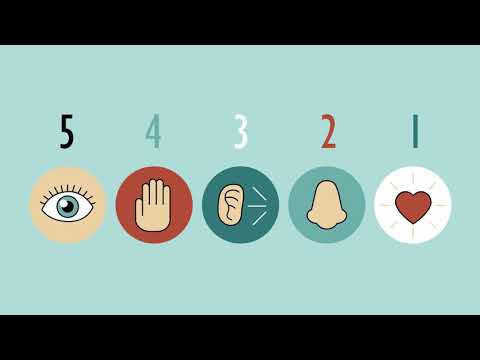
- The 5-4-3-2-1 Technique: This one really grounds you by engaging your senses. You look for 5 things you can see, 4 things you can touch, 3 things you can hear, 2 things you can smell, and 1 thing you can taste. It doesn’t seem like much but it works!
- Deep Breathing: Yeah, sounds simple but breathing deeply can change everything. Inhale slowly through your nose for a count of four, hold it for four seconds, then exhale for six. Repeat this until you feel calmer.
- Physical Grounding: This is all about movement! Try squeezing a stress ball or feeling the texture of something nearby—like the carpet or a chair cushion—under your fingers.
- The “Container” Visualization: Imagine putting all those pesky thoughts and feelings into a box or container that you can close up later when you’re ready to deal with them.
- Mindful Movement: Go for a walk or do some stretches while focusing on how your body feels while moving. Seriously, it helps clear the fog in your mind.
Here’s the thing: grounding techniques aren’t just quick fixes; they’re tools that take practice to use effectively over time. And everyone’s different—what works wonders for one person might not do much for another. Just keep trying different methods until something clicks.
Let me tell you about my friend Sarah. She struggles with anxiety during big meetings at work. One day she felt her heart racing and her palms sweating before an important presentation. Instead of freaking out like she usually does, she used the 5-4-3-2-1 technique in the bathroom stall before heading in! She spotted five tiles on the wall she hadn’t really noticed before; felt the cool metal of the sink; took deep breaths—and honestly? It made such a difference! She even nailed her presentation!
The idea behind grounding is that when you’re feeling overwhelmed or disoriented, these techniques help anchor you back in reality. They give you control over those whirlwinds of emotion swirling inside.
While having resources like a PDF guide sounds handy—after all who doesn’t love free stuff?—the key really lies in practicing these techniques regularly so they become second nature when life gets bumpy.
So remember: whether it’s taking deep breaths or squeezing that stress ball tight while visualizing that imaginary box – find what works best for YOU! Your mental wellness journey is all about discovering what helps calm that storm inside and allows you to take charge again!
10 Effective Mental Grounding Techniques to Enhance Your Well-Being
Mental grounding techniques can be a game changer when you’re feeling overwhelmed or anxious. They help you to pull yourself back into the present moment, which is like hitting a reset button for your mind. Let’s chat about some effective methods that can boost your well-being, shall we?
1. Deep Breathing: This one’s super simple but powerful. Just take a moment to inhale deeply through your nose, hold it for a few seconds, and then exhale slowly through your mouth. Doing this just five times can help calm your racing mind.
2. Five Senses Exercise: Here’s what you do: look around and find
,
,
,
, and
. It’s amazing how much this shifts your focus onto the world around you!
3. Progressive Muscle Relaxation: This technique involves tensing each muscle group for a few seconds and then relaxing them. You start from your toes and work all the way up to your head or vice versa. It’s like giving yourself a mini-massage from the inside out!
4. Visualization: Imagine a peaceful place—maybe it’s a beach or a quiet forest. Close your eyes and visualize everything about it: the sights, sounds, smells, all of it! This mental escape gives you a break from stress.
5. Grounding Objects: Keep something meaningful on hand—a favorite stone, coin, or bracelet—and focus on its texture and weight when anxiety hits. It serves as a tangible reminder that you’re safe in the now.
6. Physical Movement: Just get up and move! Whether it’s dancing in your living room or taking a brisk walk outside—movement helps ground you by releasing those feel-good endorphins.
7. Mindful Eating: Pick up an item of food—like an apple—and take time to notice its color, texture, and aroma before biting into it slowly. This not only calms but also connects you to what you’re consuming.
8. Journaling Your Thoughts: Grab a notebook and spill out whatever’s swirling in your mind without worrying about grammar or spelling—it’s just for you! This act of writing helps clear mental clutter.
9. Nature Connection: If possible, spend time outdoors—just sit under a tree or take in the fresh air at the park. Nature has this incredible way of making worries seem smaller.
10. Affirmations: Say positive phrases to yourself like “I am safe,” or “This feeling will pass.” It sounds cheesy sometimes but repeating affirmations really does shift negative thoughts over time.
Using these techniques isn’t about fixing everything right away; they’re more like little tools in your mental health toolbox that help when life feels too big to handle alone! Give them a shot one at a time until something clicks for ya—because finding what works best for YOU is what matters most!
Essential Mindfulness Grounding Techniques: Free PDF Guide for Stress Relief and Emotional Well-being
Mindfulness and grounding techniques are super helpful when you’re feeling overwhelmed, anxious, or just plain stressed. They can help you stay present and connected with your emotions. So, let’s break down some essential mindfulness grounding techniques you can use anytime.
Breath Awareness: Focusing on your breath is one of the simplest yet most powerful techniques. When you notice stress creeping in, stop for a moment. Take a deep breath in through your nose and out through your mouth. Feel your chest rise and fall. This might sound basic, but it really helps bring your mind back to the here and now.
5-4-3-2-1 Technique: This technique is great for reconnecting with your surroundings. Look around and identify:
- 5 things you can see
- 4 things you can touch
- 3 things you can hear
- 2 things you can smell
- 1 thing you can taste
By doing this, you’re anchoring yourself in the present, pulling away from stressful thoughts.
Sensory Grounding: Engaging your senses is another effective method. Carry something small like a smooth stone or a piece of fabric that feels nice. When you’re feeling anxious, hold it in your hand and focus on its texture or temperature. It’s surprisingly calming.
Body Scan: Lying down comfortably or sitting up straight, slowly guide your attention through different parts of your body from head to toe. Notice any tension or discomfort without judgment—just acknowledge it. This technique helps develop awareness of how stress manifests physically.
Naming Your Emotions: Sometimes we get tangled up in our feelings without understanding why. Take a moment to pause and name what you’re feeling: “I’m feeling anxious” or “This anger feels heavy.” By identifying emotions, they often lose some power over you.
Remember an old friend of mine who struggled with anxiety? She swore by grounding techniques during panic moments when everything felt out of control. Just breathing deeply right before stepping into social situations helped her ground herself so much more than she thought it could.
Incorporating these mindfulness grounding techniques into daily life doesn’t have to be complicated; just start wherever works best for you! The goal is to connect with yourself in a way that’s genuine and soothing.
By practicing these methods regularly, you’ll likely find it easier to manage stress and improve emotional well-being—so give them a shot! Trying out different techniques can help discover what truly resonates with you because everyone’s journey is unique!
You know those moments when everything just feels a bit too much? Like, the world is spinning, and you’re just trying to keep your head above water? Honestly, I’ve been there. It can feel totally overwhelming. But that’s where emotional grounding techniques come in handy.
So, grounding techniques are basically little tricks you can use to bring yourself back to the here and now. Think of it like having a mental toolbox for when life throws you a curveball. One I find super helpful is the 5-4-3-2-1 technique. It’s simple—like a quick way to get back on solid ground. You look around and identify five things you can see, four things you can touch, three things you can hear, two things you can smell, and one thing you can taste. It sounds kinda silly at first but trust me; it really makes your brain focus on the present instead of spiraling into anxiety.
I remember this one time I was waiting for an important call about a job I really wanted. My mind was racing with all these “what ifs”—what if they didn’t like me? What if I flubbed my answers? My heart was pounding like crazy! I started tapping into some grounding techniques, just focusing on the little details around me: the color of my curtains, the smell of my coffee brewing…things that brought me back to reality.
Another great technique is deep breathing. Like seriously simple but so effective! Just inhaling deeply through your nose and then exhaling slowly through your mouth helps calm that storm inside your head. Like filling up a balloon until it’s about to pop and then letting out all that air slowly—it’s such relief!
It might sound all woo-woo or whatever at first glance, but give it a shot next time you’re feeling off-kilter. These little bits of mindfulness don’t fix everything overnight but they sure help lighten some of that emotional weight we all carry sometimes.
So yeah, emotional grounding techniques are all about finding balance when life feels chaotic. It’s okay to have those rough days; we all do! But knowing how to pull yourself back isn’t just useful—it’s empowering too!