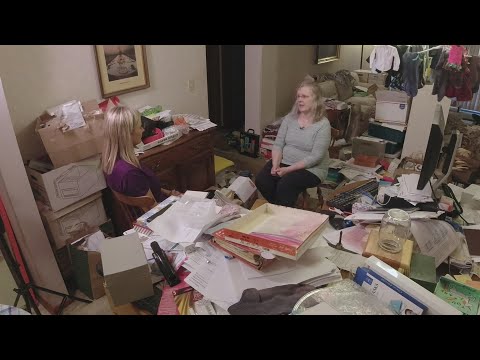
You know that feeling when you can’t let go of something? Like that old teddy bear you had as a kid or those concert tickets from a show you never went to? Well, it turns out that’s kind of what emotional hoarding is all about. It’s more than just holding onto stuff; it’s clinging to feelings and memories, too.
Imagine carrying around a backpack filled with heavy stones, each one a memory or an unresolved feeling. It weighs you down, right? That’s what emotional hoarding can do to your mental health. You might feel stuck, overwhelmed, or even anxious because of all that emotional clutter.
Let’s chat about why this happens and how it can mess with your head. It’s such a common struggle, but it doesn’t have to be this way. You’re definitely not alone in this!
The Impact of Hoarding on Mental Health: Understanding the Emotional and Psychological Effects
Hoarding is one of those things that often gets a bad rap. People think it’s just about clutter, but really, it’s way deeper than that. It’s tied to emotional and psychological issues you wouldn’t even guess. The thing is, hoarding can seriously affect mental health in ways that go beyond the mess itself.
First off, let’s talk about what hoarding really means. It’s not just collecting items; it’s a need to keep things at all costs. You might feel anxious or even panicky at the thought of getting rid of stuff. This can cause a whole lotta stress and contribute to feelings of shame or guilt.
Emotional distress is a big part of hoarding behavior. Many people who struggle with this can also experience loneliness or isolation because their homes become like tiny fortresses where they hide away from the world. You feel me? Imagine wanting to invite friends over but being too embarrassed about the state of your space—it’s pretty heavy.
Now, on top of that, there are numerous psychological factors involved in hoarding behaviors. Some folks might have difficulty making decisions or experience perfectionism. Like, if you can’t decide whether to keep an item or toss it, you might end up holding onto everything instead of letting go.
There’s also a connection between hoarding and other mental health conditions like anxiety, depression, or PTSD (post-traumatic stress disorder). For instance, if someone has gone through trauma, they may hold onto items as a way to cope with their emotions from past experiences. It becomes a safety blanket but ends up suffocating them instead.
Social relationships can take a hit too. Friends and family may struggle to understand why someone holds onto so much stuff. This creates tension and conflict in relationships—a cycle that feeds into further isolation and neglecting social support systems.
And let’s not forget about the impact on physical health! Living in cluttered spaces can lead to safety issues, like trip hazards or fire risks—not cool! The stress from living in such chaos can create physical symptoms too—headaches, fatigue—your body reacts how your mind feels.
So basically, hoarding isn’t just something you see on those reality shows; it’s a complex issue rooted deeply in emotional struggles and psychological challenges. If you know someone dealing with this kind of situation—or if you’re feeling weighed down by clutter yourself—maybe consider talking to someone who gets it: a therapist or counselor who specializes in these matters could help sort through those feelings safely without judgment.
Finding ways to address the emotional aspects beneath the surface is key here. Acknowledging how these feelings shape actions can be the first step toward creating positive changes both mentally and physically!
Understanding Emotional Hoarding: Unpacking the Impact on Mental Health
Emotional hoarding is one of those things that, at first glance, might sound a bit odd. But honestly, it’s a real struggle for many people. Basically, it’s when someone holds onto emotions, memories, or experiences as if they were physical objects. This can weigh heavily on mental health and day-to-day living.
When you think about it, we all have memories that stick with us. Maybe an embarrassing moment from middle school or a painful breakup pops up in your mind every now and then. But for someone who hoards emotionally, these past experiences can become overwhelming. Instead of processing and letting go, they cling tightly to their feelings.
Let’s break down what this looks like in real life. Someone might keep replaying old arguments in their heads or constantly worry about past mistakes. It’s like scrolling through an endless feed of negative emotions and never hitting «stop.» As time goes on, this emotional baggage can lead to feelings of anxiety or depression.
So how does emotional hoarding affect mental health? Well, here are some key points to consider:
One time I was talking to a friend who shared how she couldn’t shake off the memory of her parents’ divorce from years ago. It haunted her decisions in dating—she’d avoid relationships altogether because she was scared of getting hurt again. That’s emotional hoarding at work; instead of dealing with those feelings head-on, she kept them locked up tight.
Treatment and Strategies: So what do you do if you find yourself relating to this? It’s totally possible to work through emotional hoarding!
Therapy is often a great option; talking things out with a professional can help unlock those tightly held feelings. Cognitive-behavioral therapy (CBT), for example, helps people recognize patterns and change how they think about their past.
Another approach is mindfulness—being present can really help reduce the weight of those old emotions. Practicing meditation or simple breathing exercises can offer relief from the chaotic thoughts swirling around.
Finally, journaling might be beneficial too! Writing down your feelings helps put everything into perspective and gives you space to evaluate what you really need to let go of.
Remember that dealing with emotional hoarding doesn’t happen overnight! Be patient with yourself; progress takes time. The important thing is just starting the journey towards understanding those feelings better and finding ways to lighten your load as you go along!
Top Medications for Treating Hoarding Disorder: A Comprehensive Guide
Hoarding disorder can be a tough one to deal with. It’s not just about having too much stuff; it’s an emotional struggle that can really mess with your life. People often hold onto things because of deep-seated feelings like anxiety, fear, or even nostalgia. When you think about it, clutter can feel safe in a way, right? But it also has serious effects on mental health and day-to-day living.
Okay, so let’s talk medications. When it comes to treating hoarding disorder, they’re not the first line of defense. **Cognitive-behavioral therapy (CBT)** is usually where professionals start. But some folks still find meds helpful—especially if they also have anxiety or depression.
Here are some common medications that doctors might prescribe:
- Selective Serotonin Reuptake Inhibitors (SSRIs): These are often used for depression and anxiety too.
They work by increasing serotonin levels in the brain. A popular choice here is fluoxetine (Prozac). Some studies show these can help reduce hoarding behaviors. - Norepinephrine-Dopamine Reuptake Inhibitors (NDRIs): Bupropion (Wellbutrin) belongs to this group and is mainly known as an antidepressant. It affects neurotransmitters differently than SSRIs, and some people find it helpful.
- Atypical Antipsychotics: While these aren’t the go-to for everyone with hoarding disorder, they’re sometimes considered if other treatments don’t work. Medications like olanzapine (Zyprexa) have been explored for treating severe cases.
- Anti-anxiety Medications: Meds such as benzodiazepines might also be prescribed for short-term relief from anxiety symptoms that can accompany hoarding disorder.
But here’s the catch: they’re usually not meant for long-term use because of dependency risks.
Now, keep in mind that finding the right medication often takes time and patience. You know how each person’s body works differently? Well, reactions to meds can vary just as much. Some folks find their sweet spot quickly; others might take a while to find what clicks for them.
It might also be helpful to combine medication with therapy—like CBT we mentioned earlier—to tackle those underlying emotional issues too. Just remember: communication with your doctor is key! They’ll want to monitor how you’re doing on any meds and make adjustments if needed.
Although medications bring some relief, they aren’t a magic fix. You’ve gotta be ready to put in effort elsewhere too—like working through your feelings about your stuff or finding healthier ways to cope with anxiety.
So yeah, if you or someone you know is grappling with hoarding disorder, exploring both therapy and medications could make a real difference! Remember you’re not alone in this journey; lots of people are working towards a healthier relationship with their belongings every day!
Emotional hoarding, wow, it’s a real thing. It’s not just about the physical stuff we cling to, like old clothes or random knick-knacks. No, it goes deeper than that—it’s all about feelings and memories. You know, like when you hold onto anger, sadness, or guilt long after the moment has passed? I mean, people get attached to their emotions just like they do with those dusty boxes in the attic.
I remember chatting with a friend once who had this tough breakup. Years down the line, they were still holding onto that heartache. You could see it weighing them down, and it was like they were living in this emotional clutter. They couldn’t make room for new experiences or relationships because they were so stuck in what happened before. It was heartbreaking to see.
What’s wild is how emotional hoarding can affect your mental health. Holding onto feelings—especially negative ones—can lead to anxiety and depression. It’s like carrying around a heavy backpack filled with rocks all day long. And eventually, you get tired! You feel drained and maybe even isolated because you don’t want to share your burdens with anyone.
And then there are those moments when you’re ready to let go but don’t know how. It’s scary! It’s almost safer to hang onto those old feelings instead of taking that leap into something new and unknown. But the thing is, letting go doesn’t mean you forget; it means you’re making space for healing and growth.
Finding a way out of emotional hoarding often needs some help—maybe from therapy or just having honest conversations with friends who understand. Seriously, talking it out helps a ton! Sometimes you need someone to help sifting through all that emotional baggage.
So if you’re feeling swamped by your own thoughts and past hurts? Remember it’s okay to ask for help in clearing some space for yourself—you deserve that fresh air!