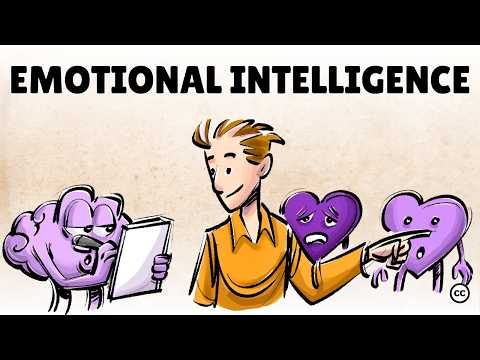
You know how sometimes, life feels like a messy puzzle? You’ve got all these feelings swirling around, and it’s hard to see the big picture. That’s where emotional intelligence comes in.
Imagine being able to understand your emotions and the emotions of others—what a game changer! It’s not just about feeling good; it’s about connecting better, too. Seriously, that’s like the magic sauce for mental health.
And then there’s this cool thing called the Emotional Intelligence 2.0 Assessment. It helps you figure out where you stand and how to level up your emotional smarts. Trust me, it can really help you navigate through those tricky feelings.
So, let’s chat about why this matters and how it can seriously boost your mental well-being!
Understanding the EQI 2.0 Assessment: Key Measurements for Emotional Intelligence
The EQI 2.0 Assessment is all about emotional intelligence, which is basically our ability to understand and manage our own emotions while also recognizing others’ feelings. It’s like having radar for feelings, you know? This assessment gives a clearer picture of how emotionally intelligent you are, which can really help in various areas of life—like work relationships and personal connections.
So, what does the EQI 2.0 measure? Here’s a quick rundown:
- Self-Awareness: This is about knowing your own emotions and how they impact your thoughts and behaviors. Imagine getting feedback on how your mood affects your decisions at work.
- Self-Regulation: It’s one thing to feel emotions; it’s another to manage them effectively. This part helps you reflect on how you control impulsive feelings and reactions.
- Motivation: Emotional intelligence isn’t just about feelings; it also involves inner drive. You’ll explore things like your passion for goals and resilience in facing challenges.
- Empathy: This measures how well you tune into other people’s feelings. Think about a time when someone was upset, and instead of brushing it off, you really listened—that’s empathy!
- Social Skills: It looks at your ability to handle relationships smoothly. Strong social skills can mean better teamwork or conflict resolution, which can change the game at work or in friendships.
What’s cool about the EQI 2.0 is that it dives deeper than just giving you a score—it offers insights on each area of emotional intelligence through various sub-scales. For instance, if you’re not so great with self-regulation, the assessment might highlight specific areas for growth. You may realize that when you’re stressed, you tend to snap at others; understanding this can help you improve.
Let’s say Sarah often finds herself overwhelmed with her job as a manager because she struggles with creating connections within her team. By taking the EQI 2.0 Assessment, she learns that her empathy score is lower than average. Understanding this pushes her to practice active listening techniques when talking to her team members, which ultimately improves workplace morale.
The **results** guide personal development by identifying strengths to leverage and weaknesses to work on. And here’s the thing: improving emotional intelligence isn’t just beneficial for yourself; it enhances your relationships too! When you’re more emotionally intelligent, interactions become smoother—you connect better with friends or colleagues.
In summary, understanding where you stand with emotional intelligence through the EQI 2.0 Assessment can lead to big improvements in mental health by fostering self-awareness and healthy relationships with others—you feel me? Plus, it’s all about lifelong growth; there’s always more we can learn about ourselves!
Understanding EQ-i 2.0 Scores: What is Considered a Good Emotional Intelligence Rating?
Emotional Intelligence (EQ) is a big deal these days, especially when it comes to understanding yourself and others. The EQ-i 2.0 Assessment is one way to measure this intelligence. It breaks down emotional skills into different areas, and scores help you see where you shine and where you might want to improve.
So, what’s considered a good score on the EQ-i 2.0? Well,there’s no one-size-fits-all answer because it can depend on several factors like age, culture, and even your specific situation or profession. However, in general terms:
- A score between 90 and 110 is often seen as average.
- Scores below 90 might indicate some areas for growth.
- Scores above 110 usually show stronger emotional intelligence capabilities.
Now, let’s break that down a bit more. Imagine your friend Sam took the test. He scored a 95, which means he’s kind of average in terms of emotional understanding. Maybe he knows when someone is upset but doesn’t quite know how to approach them about it or offer support.
On the flip side, Lisa scored a 120! She not only recognizes emotions in herself and others but also navigates social situations like a pro. If someone’s feeling down at work, Lisa automatically knows to check in with them and offer help.
There’s also something called the Emotional Intelligence Model. It consists of five components: Self-Perception, Self-Expression, Interpersonal Skills, Decision Making, and Stress Management. Each component gets its own score that contributes to your overall EQ score.
Let’s say your self-perception score is higher than your interpersonal skills score. This could mean you’re pretty self-aware—like you know when you’re feeling anxious—but maybe you’re not as skilled at reading other people’s feelings or responding appropriately.
Understanding these scores isn’t just about bragging rights; it can seriously impact your life decisions—be it personal relationships or career choices. If you know you’re weaker in certain areas—like stress management—you might decide to seek support through therapy or mindfulness practices.
To sum up: a «good» EQ-i 2.0 score really depends on context. The key takeaway? Use the scores as useful tools for self-improvement rather than strict labels that define who you are emotionally. Embracing this can lead to real changes in how you relate to yourself and those around you!
Understanding the EQI 2.0 Assessment: Duration and Insights
The EQI 2.0 Assessment is all about measuring emotional intelligence (EI) and giving you insights into how you handle your feelings and react to those of others. It’s like a tool that helps you understand yourself better, which can be super helpful for mental health.
Now, how long does it take? Well, that’s a good question! The assessment usually takes around 20 to 30 minutes to complete. Yeah, it’s not too long. You just answer some questions about your emotional experiences and behaviors. It’s designed to fit into your day without feeling like a chore.
Once you’re done, you’ll get a report that dives deep into different areas of emotional intelligence—basically breaking down how you manage emotions, how well you relate to others, and even how you handle stress. This feedback can be really eye-opening!
So what do these insights mean? They can highlight strengths and areas for improvement. For example, if your results show high scores in empathy but lower scores in self-regulation, that might tell you that while you’re great at understanding others’ feelings, you could work on managing your own emotions better. It’s kind of like having a personalized roadmap for emotional growth.
Another important part of the EQI 2.0 is its focus on positive psychology. This means it emphasizes what’s working well in your emotional life rather than just pointing out what’s wrong with it. So when you look at the results, you’re not just seeing a list of weaknesses; you’re also finding tools to enhance what you’re already good at.
You know? Taking this assessment is like having a conversation with yourself but in a more structured way. And the cool part is that once you’ve got your results, it can serve as a springboard for personal development or even therapy if you’re working with someone on mental health issues.
In summary:
- Duration: About 20-30 minutes.
- Insights: Highlights strengths and areas needing improvement.
- Focus: Positive psychology helps build on what works.
Using the EQI 2.0 Assessment might just give you the boost in self-awareness needed to navigate life’s ups and downs with greater ease!
You know, emotional intelligence is one of those things that kinda goes under the radar but can really change your life. Think about it: it’s all about understanding your own feelings and those of others. Like, you could be in a heated argument with someone, and instead of just reacting, you pause and think about what’s driving both of you. That’s emotional intelligence in action.
So, when we talk about the Emotional Intelligence 2.0 Assessment, it’s like using a mirror to take a good look at yourself. I remember going through my own assessment a while back. It was eye-opening! At first, I thought I knew myself pretty well. But then the results showed me areas where I was totally missing the mark—like recognizing when I’m getting really stressed out or not being aware of how my mood affects those around me.
This assessment dives into four main areas: self-awareness, self-management, social awareness, and relationship management. If you’re like me and maybe struggle a bit with emotional stuff, this helps pinpoint where to focus your energy. So if you’re feeling overwhelmed or disconnected from others? That’s usually a sign to work on one or more areas there.
One thing that really stuck with me is how improving emotional intelligence can enhance your mental health overall. For instance, being better at managing your emotions means less anxiety and stress rattling around in your head—because let’s face it; nobody wants that! And it allows you to connect more deeply with others, which can be incredibly comforting when you’re having tough days.
I mean, who doesn’t want more supportive relationships? When you’re attuned to what others are feeling and responding accordingly, it’s like building a little safety net for yourself emotionally. Plus, having that awareness makes navigating tricky situations way easier.
Of course, none of this is an overnight fix or anything like that—it takes time and practice to build those skills. But seriously? It’s so worth it if you’re ready to dive into understanding yourself better and creating healthier connections with people around you.
So yeah, taking the Emotional Intelligence 2.0 Assessment might just be a game-changer for anyone looking to level up their mental health game! You only have one life; make it count by boosting your emotional smarts!