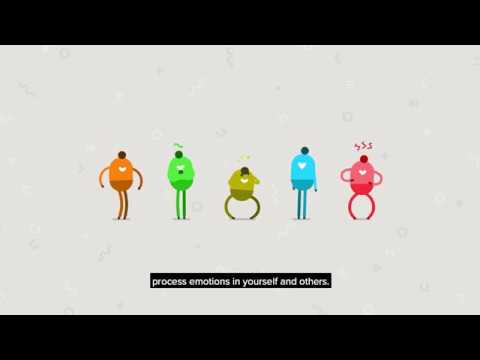
You know how sometimes you just get a vibe from someone? Like, they totally understand what you’re feeling? That’s emotional intelligence for you. It’s not just some fancy term thrown around by psychologists.
Basically, it’s all about knowing your emotions and sensing others’ feelings too. And guess what? It turns out, this superpower can really help us learn better.
Think about it. When we connect with our feelings and the feelings of others in a classroom or at work, everything changes. We become more open to learning new stuff, and things feel less intimidating.
So, why not dive right into how emotional intelligence can take your learning game to the next level? You might be surprised by how much it can help!
Unlocking Learning Potential: The Critical Role of Emotional Intelligence in Education
Emotional intelligence (EI) is, like, such a big deal in education. It’s basically about recognizing, understanding, and managing our own emotions—and those of others. When you think about it, emotional intelligence is like the secret sauce that can seriously improve learning outcomes for students.
What is Emotional Intelligence?
At its core, EI involves a few key components: self-awareness, self-regulation, social awareness, and relationship management. Self-awareness means being in tune with your feelings and how they affect your actions. Self-regulation is about controlling those emotions instead of letting them control you.
Social awareness involves recognizing emotional cues in others. This can help kids pick up on their classmates’ feelings and respond appropriately. Relationship management? That’s all about being able to communicate effectively and build strong relationships—skills that are super important at school.
The Connection with Learning
Here’s the thing: students who have high emotional intelligence often perform better academically. They’re more equipped to handle stress and challenges that come their way. You know when a student gets frustrated during a tough math problem? If they’ve got a grip on their emotions, they can keep calm and carry on instead of throwing their pencil across the room.
Think back to when you were in school—remember that one friend who always seemed to calm the group down during group projects? That’s emotional intelligence in action!
Building Emotional Intelligence
Schools are starting to realize how crucial EI is for learning success. Many are incorporating programs aimed at enhancing emotional skills through activities like role-playing or guided discussions about feelings. These programs not only help students learn about emotions but also teach them practical ways of dealing with challenges.
For instance, let’s say a class has an exercise where they talk about how they felt during a recent event or movie they watched. This opens up discussions where kids can share experiences while developing empathy toward each other’s feelings.
The Real-World Benefits
The benefits of fostering emotional intelligence extend beyond classroom walls! Kids who learn to manage their emotions early on tend to carry these skills into adulthood. They’re often better at handling workplace stress or navigating personal relationships later on.
And it’s not just individuals benefiting—schools with high levels of EI among students often see improvements in overall climate too! Less bullying, fewer conflicts, and more cooperation among peers create an environment where everyone feels safer and ready to learn.
In summary, unlocking potential through emotional intelligence isn’t just some trendy concept; it’s foundational for enhancing learning experiences across classrooms everywhere. So basically, supporting our students emotionally means boosting not just academics but helping them grow into well-rounded people ready for life’s challenges!
Boost Your Emotional Intelligence: 5 Effective Strategies to Enhance Your EQ
Emotional intelligence, or EQ, is like that secret sauce that can make learning and interactions way smoother. If you think about it, being able to understand and manage emotions—both yours and others’—can really change the game. It’s not just about feeling good; it helps you connect better, learn more effectively, and navigate life’s ups and downs with a little more grace.
Here’s how you can boost your emotional intelligence through some practical strategies:
1. Practice Self-Awareness
Self-awareness is all about recognizing what you’re feeling and why. You know those moments when you feel a sudden burst of anger or overwhelming sadness? Tune into those feelings. Keep a journal or try mindfulness meditation. Just sit quietly for a few minutes each day and check in with yourself. Ask: “What am I feeling right now?” You might be surprised at what comes up!
2. Develop Empathy
Empathy is crucial for connecting with others and understanding their feelings. Try to put yourself in someone else’s shoes when they’re sharing their experiences—like that time your friend was upset over their breakup. Instead of jumping straight into giving advice, listen closely. Acknowledge their pain by saying something like, “That sounds really tough.” This helps build strong relationships.
3. Improve Emotional Regulation
Ever find yourself overwhelmed by emotions during a heated discussion? Learning to regulate your emotions can help keep things cool. Take deep breaths or count to ten before reacting in the moment; it’s like hitting the pause button on your emotions! This way, you can respond calmly instead of reacting impulsively.
4. Enhance Social Skills
Social skills are essential for communicating effectively with others, whether it’s in a casual chat or a professional setting. Work on being an active listener—really pay attention when someone talks to you instead of just waiting for your turn to speak! Make eye contact, nod along, and ask follow-up questions like “How did that make you feel?” This shows you’re genuinely interested.
5. Cultivate Motivation
Having intrinsic motivation means you’re driven by personal satisfaction rather than external rewards. Set small goals that excite you! Maybe it’s learning something new or volunteering for a cause close to your heart; finding meaning in what you do boosts your emotional resilience too.
You know, taking these steps might not bring overnight changes but stick with them! They can seriously enhance not just your emotional intelligence but also how well you learn from your experiences and engage with the world around you.
Ultimately, boosting your EQ gives you tools for better relationships—hey, isn’t that what we all want? Plus, it makes tackling challenges a bit easier too!
Unlocking Student Success: The Essential Role of Emotional Intelligence in Education (PDF Guide)
Emotional intelligence, or EI for short, plays a huge role in how you navigate school. Honestly, it’s like having a superpower—it helps you understand your own feelings and those of others better. This skill can make a real difference in your learning and overall success.
First off, let’s break down what emotional intelligence really is. It’s basically the ability to recognize, understand, and manage your emotions while also being aware of and influencing the emotions of others. This means it can help you handle stress, build better relationships with classmates and teachers, and even improve your focus on schoolwork.
Now, why does this matter for students? Well, research shows that students with higher emotional intelligence tend to perform better academically. They’re usually more resilient when faced with challenges. When you encounter setbacks—like bombing a test or having a tough time making friends—being able to tap into your emotional intelligence can help you bounce back faster.
Here are some ways emotional intelligence enhances learning:
- Improved Communication: When you’re in tune with your feelings and those of others, it’s easier to express yourself clearly. This leads to better discussions in class.
- Conflict Resolution: School can be a minefield of social challenges. EI helps you navigate disagreements peacefully instead of resorting to drama.
- Stress Management: Academic pressure is real! Emotional intelligence gives you tools to handle stress better, so it doesn’t derail your studies.
- Stronger Relationships: Let’s face it; school is often about teamwork. Understanding emotions helps form connections that make group projects smoother.
- Increased Motivation: Knowing what drives you emotionally can boost your motivation to learn and achieve goals.
Here’s an example: imagine you’re feeling super stressed about an upcoming exam. Instead of letting that anxiety take control, if you’ve got some good emotional intelligence skills going for you, you’ll recognize those feelings and maybe use deep breathing or talk it out with a friend instead of just shutting down.
Also, let’s highlight how schools can support students in developing their emotional intelligence. Programs like social-emotional learning (SEL) are popping up everywhere—they teach skills like empathy and self-regulation right alongside traditional subjects like math and science. This isn’t just fluff; these programs have shown promise in improving grades as well as behavior.
Here’s the thing: by focusing on emotional intelligence in education, we’re not just helping students become better learners but also turning them into well-rounded individuals who are ready for life beyond the classroom walls.
In summary? Emotional intelligence isn’t just a nice-to-have; it’s essential for success in school and beyond! By cultivating these skills early on, you’re setting yourself up for academic achievement but also for understanding yourself—and others—better as you move through life.
Emotional intelligence, or EI, is one of those things that seems to fly under the radar sometimes. You know, we often think of intelligence as just IQ—math skills, memorizing facts, crunching numbers. But it’s so much more than that. EI really is all about understanding your own feelings and the feelings of others, and honestly? It can make a huge difference in learning.
Picture this: you’re sitting in a class or a meeting, and someone’s explaining something complicated. You feel that knot in your stomach because you’re totally lost. That’s where emotional intelligence kicks in. If you can recognize that anxiety or frustration—that’s your EI at work, trying to help you manage those feelings instead of letting them spiral outta control. So instead of zoning out or shutting down, you might take a breath and ask for clarification. Or maybe even help someone else who looks as confused as you feel.
And here’s something cool: when people nurture their emotional intelligence, they often develop better social skills too. Think about group projects or study sessions—being able to read the room makes all the difference! You start communicating effectively with peers, resolving conflicts instead of letting them fester like old leftovers in the fridge.
A quick story I heard recently really drove this home for me. My friend was struggling with chemistry (like most of us do at some point) and was too embarrassed to ask questions in class. Then she decided to chat with her professor after class one day about how anxious she felt asking questions around her classmates. The prof was super understanding and helped her create a study plan focusing on her strengths while also pointing out areas to improve on without any judgment attached! That conversation opened the door for my friend—she learned not only about chemistry but also about advocating for herself and how important it is to connect emotionally when learning.
So yeah, developing emotional intelligence isn’t just about feeling good inside; it’s seriously a game-changer for learning anything new and complex! You get better at managing those tough emotions like frustration or stress while also boosting teamwork skills. That means you’re not just absorbing information but applying it in ways that matter.
You see? Emotional intelligence isn’t this fluffy concept; it’s a real tool that can enhance how we learn and grow!