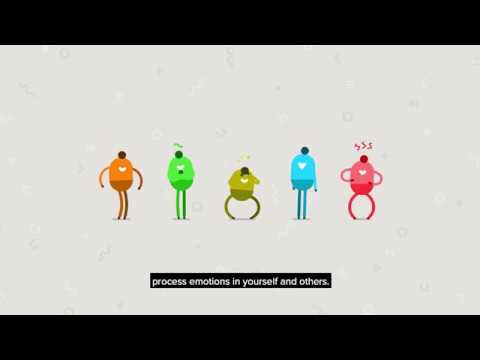
You know those moments when your emotions feel all over the place? It’s like riding a rollercoaster—one minute you’re on top of the world, and the next, you’re wondering how you got there.
That’s where emotional intelligence comes in. It’s not just some fancy term psychologists throw around. It’s about understanding your feelings and the feelings of others.
Imagine being able to handle conflict without breaking a sweat or connect with people on a deeper level. Sounds pretty great, right?
So, let’s chat about how boosting emotional intelligence can seriously up your mental wellbeing. Trust me; it could change your life in ways you never expected!
Boosting Mental Health: The Impact of Emotional Intelligence on Well-Being
When we talk about emotional intelligence (EI), we’re touching on something super important for your mental health. Basically, it’s about how well you understand and manage your own emotions, and how well you connect with others. If you think about it, being clued into your feelings can really boost your well-being.
First off, let’s break down what emotional intelligence really is. EI usually has four main components:
- Self-awareness: This means recognizing your own emotions and understanding how they affect your thoughts and behavior. Imagine realizing you’re feeling anxious before a big presentation—knowing that helps you cope better.
- Self-regulation: This is about managing those emotions effectively. Like, instead of snapping at someone when you’re stressed, you take a deep breath and respond calmly. It’s huge!
- Social awareness: Being aware of others’ feelings is key! You might notice when a friend seems down, which gives you the chance to reach out and support them.
- Relationship management: This involves using the awareness you’ve built to manage interactions wisely—whether it’s resolving conflicts or inspiring others.
Having strong emotional intelligence can seriously impact your mental health in some pretty cool ways. For one, self-awareness allows you to identify triggers for your emotions. Like when you’re feeling overwhelmed with work, recognizing that can help you make choices before things spiral out of control.
Self-regulation plays a big role too! It’s common to feel overwhelmed or anxious at times. But if you’ve got a handle on regulating those feelings, you’re less likely to lash out or shut down emotionally. Let’s say someone criticizes your work; instead of getting defensive right away, having good EI helps you process that feedback more constructively.
But wait—there’s more! Social awareness can lead to stronger connections with people around you. When you’re in tune with how others feel, it makes building relationships easier. Picture this: You’re in a group where someone’s feeling left out or unheard; by picking up on that vibe and addressing it, you’re not just being kind—you’re also fostering a supportive environment.
Finally, relationship management ties all these skills together nicely. If you’re effective in communicating and resolving conflicts, you’ll probably find yourself feeling less stressed overall. You know? Healthy relationships can be such a buffer against anxiety and depression.
To put it all together: boosting your emotional intelligence isn’t rocket science; it’s more like learning new habits that lead to better mental health outcomes. Think of it as exercise for your mind! Just like hitting the gym strengthens your body, working on EI strengthens your psychological resilience.
So if you’ve ever thought about why some folks seem better equipped to handle life’s ups and downs—now you know! They may just be rocking their emotional intelligence skills like pros! By nurturing these abilities in yourself, you’re not just enhancing self-awareness; you’re also paving the way for healthier relationships with yourself and others around you.
In the end, remember this: Emotional intelligence isn’t just another buzzword—it’s an essential part of living well. So why not start working on those skills today? I mean, who wouldn’t want to feel more balanced emotionally?
Unlocking Emotional Intelligence: A Comprehensive Guide to Boosting Mental Wellbeing (PDF Download)
Emotional Intelligence (EI) is like your internal GPS for navigating your feelings and understanding others. Think about it as the ability to recognize, understand, and manage your own emotions while also being able to interpret and respond to the emotions of other people. It’s super important for mental wellbeing because it helps you build better relationships, cope with stress, and even handle challenges more effectively.
So, how do you actually boost this emotional intelligence thing? Well, let’s break it down.
Self-awareness is step one. It’s all about knowing how you feel and why. Have you ever been in a situation where you just snapped at someone out of nowhere? That might be a sign you weren’t aware of your own stress levels beforehand. Simply taking a moment each day to check in with yourself can help. Try journaling about your feelings or even meditating for a few minutes. More connection with yourself means better control over your reactions.
Then there’s self-regulation. This is what helps you manage those big feels instead of letting them run amok. When you’re feeling really angry or sad, try to pause before reacting. Count to ten or take deep breaths. Reacting calmly can prevent misunderstandings that might have gotten outta hand otherwise.
Let’s not forget empathy. This isn’t just about feeling sorry for someone; it’s genuinely understanding where they’re coming from emotionally—like when a friend shares something tough they’re going through. Practice active listening; really focus on what they’re saying instead of thinking about how you’ll respond next.
Next up is social skills. This includes everything from effective communication to conflict resolution. You know those times when chatting with someone feels awkward? Improving EI can help ease those situations. Try using «I» statements when expressing feelings—like saying, “I feel overwhelmed when…” instead of blaming others.
Another key point is motivation. Motivated people usually have clearer goals and more resilience against setbacks. Ever notice how some folks bounce back from challenges faster than others? That often comes down to their level of motivation and positive mindset.
Finally, remember that boosting emotional intelligence isn’t a one-and-done deal; it requires practice over time. You could read books or attend workshops focused on emotional awareness, but honestly, just interacting with different people can teach you loads too!
So why does this matter for mental wellbeing? Enhancing these skills can lead to reduced anxiety and depression levels along with improved relationships—not only at work but in personal life too! You get better at managing conflict in friendships or partnerships as well as increasing your overall happiness vibe!
In summary, emotional intelligence isn’t just some buzzword—it’s an essential part of living well and connecting meaningfully with others around us. By focusing on self-awareness, self-regulation, empathy, social skills, and motivation, you’re on the way to not only boosting your EI but also enhancing your mental wellbeing significantly.
Taking small steps every day makes a huge difference over time! So go ahead—start tuning into those emotions!
Boost Your Emotional Intelligence: 10 Effective Strategies for Personal Growth
Boosting your emotional intelligence (EI) can seriously change the way you experience life and interact with others. Think of it as upgrading your mental software. The cool part is, you can learn and develop these skills like any other talent.
1. Self-awareness is a biggie. It’s about knowing your own emotions and how they affect your thoughts and behavior. Picture yourself in a tense situation. Do you get anxious? Angry? Recognizing those feelings helps you understand why you react the way you do.
2. Reflect on your emotions. Spend some time journaling or just thinking about how certain events made you feel. When wasn’t the last time something really hit you emotionally? Maybe a movie made you cry or a friend’s words struck a chord. Reflecting helps solidify that self-awareness.
3. Practice empathy. This means putting yourself in someone else’s shoes—feeling what they feel, seeing things from their perspective. Remember that time when a friend was going through rough patch, and all they needed was someone to listen? That’s empathy in action!
4. Enhance your communication skills. It’s not just about talking; it’s about understanding non-verbal cues too! A friend might say they’re fine, but their body language says otherwise—like crossed arms or avoiding eye contact. Being aware of these signals can help improve your interactions.
5. Learn to manage stress. Stress affects how we react emotionally. You can try techniques like deep breathing or even mindfulness meditation to calm those nerves when life gets chaotic.
6. Develop social skills. Building relationships is key for emotional intelligence, so try engaging more with others! Whether it’s joining clubs or just chatting with co-workers, creating connections helps sharpen those social cues.
7. Offer constructive feedback. When giving feedback, be kind but honest! It helps not only the other person but also builds trust between you both, fostering an open environment for future conversations.
8. Stay open to learning. Nobody’s perfect at emotional intelligence; it’s something we can always work on! Attend workshops or read books about emotional health—it all contributes to growth.
9. Practice gratitude. Acknowledge the good things around you—it shifts your focus from what’s wrong to what’s right in life! Try jotting down three things you’re grateful for each day; it really changes your mindset over time.
10. Seek feedback from others. Sometimes we’re too close to see our own blind spots, so ask friends or colleagues how they perceive your emotional responses or interactions—and be ready to listen without getting defensive!
Building emotional intelligence isn’t a sprint; it’s more like a marathon where small changes lead to big transformations over time. You might find that as you work on these strategies, not only do your relationships improve but so does your overall happiness and mental well-being!
You know, emotional intelligence is one of those topics that doesn’t get enough airtime, but it’s so crucial for mental well-being. A lot of us go through life reacting to feelings without really understanding them. Like, I remember a time when I got into an argument with a friend. I was super upset and just exploded with frustration. Turns out, if I’d paused for a second to think about what I was really feeling, it might not have blown up like that.
So, let’s break it down a bit. Emotional intelligence is all about being aware of your own emotions and those of others. It’s recognizing what you’re feeling and why you’re feeling it. When you get good at this, your relationships improve, and your stress levels drop. You basically learn to navigate the emotional landscape instead of just floundering around in it.
But enhancing your emotional intelligence isn’t some overnight magic trick or anything. It’s more like building a muscle—you’ve gotta practice regularly. Start by checking in with yourself throughout the day: “What am I feeling right now?” You might be surprised at how often we don’t really stop to think about it.
Also, empathy plays a huge role here too! Being able to understand where someone else is coming from can change everything in interactions. Like when someone snaps at you outta nowhere; instead of getting defensive, maybe try wondering what kind of day they’re having—or if something deeper is going on.
Man, learning this stuff can really boost your mental health! You start responding rather than reacting, which is like moving from chaos into this calm space where you feel more grounded and aware.
So yeah, sharpening your emotional intelligence can genuinely transform how you deal with life’s ups and downs. It’s not always easy—there are days when it feels overwhelming—but every little effort counts in making things better in the long run!