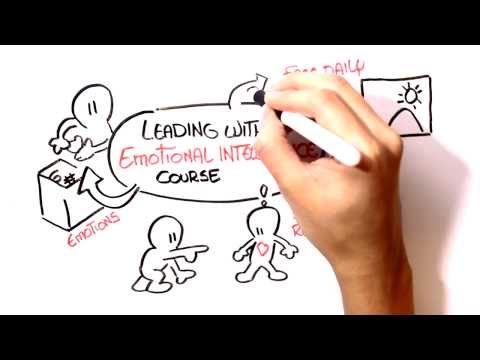
Okay, so here’s the deal. Workplaces can be tough, right? Stress, deadlines, sometimes even that one coworker who just pushes your buttons.
But what if I told you there’s a way to make it all a bit easier? Enter emotional intelligence. Sounds fancy, but really it’s just about understanding feelings—your own and others’.
Imagine walking into a place where everyone gets along better. Where people listen and communicate like they actually care. Doesn’t that sound nice?
In this little chat, we’re gonna explore some simple strategies to pump up emotional intelligence at work. Trust me; it can totally change the game for you and your team!
Unlocking Leadership Success: How Emotional Intelligence Shapes Organizational Behavior
Leadership in today’s world is about way more than just making decisions and managing a team. A big piece of the puzzle is something called emotional intelligence (EI). It’s how effectively you can understand and manage your own emotions, plus recognize and influence the feelings of others. This can totally shape how an organization behaves, you know?
When leaders have high emotional intelligence, they tend to create healthier workplace environments. Imagine a boss who notices when someone seems stressed or overwhelmed. Instead of just pushing deadlines, they check in and offer support. That small act can boost morale like you wouldn’t believe!
Here are some key points on why emotional intelligence is super crucial for leadership success:
Now, let’s get into how this plays out in real life. Think about a time when you were at work, maybe feeling frustrated about a project that just wasn’t coming together. A manager who gets it could approach you—not with a “Get it done!” but with genuine curiosity: “Hey, I noticed you seem stressed; what’s on your mind?” Just that simple check-in could change everything.
Also, here’s where emotional intelligence really shines: team dynamics. When leaders demonstrate EI skills like active listening or constructive feedback in meetings, teams become more cohesive and engaged. Everyone feels safer sharing ideas without fear of judgment.
And don’t forget about change management. In workplaces where change happens all the time—like new software or policies—leaders with high emotional intelligence help ease transitions by understanding team anxieties and communicating openly about what changes mean.
In summary, emotional intelligence isn’t some abstract concept; it has tangible effects on organizational behavior and success. Leaders who hone these skills contribute to positive work cultures that enhance collaboration and productivity—all while keeping employee well-being front-and-center!
Top 10 Examples of Emotional Intelligence in Leadership: Unlocking Success Through Empathy
Emotional intelligence in leadership is super important, and it can really change the game in workplaces. It’s all about how leaders connect with their team, understand feelings, and respond to situations with empathy. Here are some real-life examples of how emotional intelligence can make a leader stand out:
- Active Listening: A great leader listens more than they talk. It’s not just about hearing words; it’s about understanding emotions behind them. Imagine a manager who takes the time to really listen to team concerns during meetings. They might say, “I hear you’re feeling overwhelmed with your workload.” This kind of approach builds trust.
- Empathy: When leaders show empathy, they create a supportive environment. For instance, if an employee is struggling with personal issues, a leader acknowledging that can mean so much. If they say, “I understand this is tough for you; how can we help?” it shows genuine concern.
- Conflict Resolution: Emotional intelligence helps leaders navigate conflicts smoothly. Instead of jumping to conclusions or taking sides, they might mediate by saying something like, “Let’s figure out where both sides are coming from.” This way, everyone feels heard and valued.
- Self-Awareness: Leaders who know their own emotions can guide their team better. If a leader feels stressed and admits it openly, it can lead to an honest conversation about pressures at work. Something like, “I’ve been feeling the heat too; let’s brainstorm together on how we can ease our load” can rally people together.
- Feedback Giving: Giving feedback is tricky but necessary. Leaders with high emotional intelligence know to balance criticism with praise. Instead of saying something harsh like “This isn’t good,” they could frame it positively: “You did well on this part; let’s work on improving this other area together.”
- Cultivating Relationships: Building strong relationships within teams pays off big time! Leaders who take time for casual check-ins—like coffee chats or casual walks—create stronger bonds. Imagine a boss who sends a quick text asking how your weekend was or checking in on your project progress.
- Sensitivity to Diversity: This means understanding that every team member comes from different backgrounds and experiences. Leaders should celebrate differences rather than ignore them. For example, acknowledging various cultural holidays within the workplace shows respect and appreciation for diversity.
- Mood Regulation: Great leaders manage their moods effectively so that they don’t bring negativity into the workplace. If tensions are high after a bad meeting, instead of sulking around, they might shift focus by saying something motivational like: “Let’s take what we’ve learned today as an opportunity.”
- Praise Others’ Efforts: Recognizing hard work fosters motivation and loyalty in teams. Saying things like, “Your contribution made a big difference in this project!” goes a long way in making employees feel valued.
- Pursuing Personal Growth: Emotional intelligence isn’t static; it’s something you nurture over time! Leaders should be open about seeking feedback themselves and working on improving their skills regularly—like taking workshops on communication or conflict resolution.
So yeah, when leaders embody emotional intelligence through these examples, it creates an atmosphere of trust and connection at work. And that? That totally drives success for everyone involved!
Unlocking Leadership Success: The Essential Guide to Emotional Intelligence in Leadership (PDF)
Emotional intelligence (EI) is a game-changer in leadership. It’s all about how you understand your own feelings and those of others. This skill can seriously transform workplaces, creating healthier environments and improving team dynamics. Leaders with high emotional intelligence tend to inspire more trust and collaboration among their team members.
First off, let’s break down what emotional intelligence actually consists of. It usually includes five main components:
You see, when leaders have these skills, it can have a ripple effect throughout the whole organization. For example, imagine a manager who’s self-aware enough to realize when they’re feeling stressed out. Instead of taking it out on their team, they might take a step back, practice some calming techniques, and come back with a clearer head.
Now let’s talk about communication. Leaders with high EI are usually excellent communicators. They know how to express themselves clearly while also tuning into how others are feeling. This leads to more effective conversations and less conflict. If you’ve ever been in a meeting where emotions ran high but nobody really listened, you understand why this matters.
Also, those empathetic leaders are more likely to create an inclusive workplace culture. They can identify when someone on their team is struggling—whether it’s due to personal issues or workplace dynamics—and can offer support or even just lend an ear. Imagine being that person at work who actually feels heard; pretty powerful stuff!
But here’s the thing: developing emotional intelligence doesn’t just happen overnight—it takes practice! A leader might start by reflecting on their own emotional reactions during stressful times. Maybe they keep a journal about daily interactions or seek feedback from colleagues about their leadership style.
When we think about teams led by emotionally intelligent leaders, we see engagement levels soar! Employees feel valued and understood which typically translates into higher productivity and lower turnover rates.
In summary, enhancing emotional intelligence is essential for effective leadership today. Not just for personal growth but also for the growth of the entire organization. Using these strategies can turn good leaders into great ones—and ultimately lead to much happier workplaces all around!
You know, emotional intelligence (EI) in the workplace is like having a superpower. Seriously, it’s all about understanding your own emotions and those of others. When people nail this skill, it can really change the vibe at work. I remember a time when a friend of mine was struggling with her team dynamics. There was tension everywhere. Meetings felt like battle zones, and everyone seemed on edge.
But then, her manager started to get into emotional intelligence strategies. They weren’t just focusing on deadlines or deliverables anymore; they began having discussions about feelings and how to communicate better. It was wild to see the transformation! People started sharing their thoughts openly—like, “Hey, I’m overwhelmed,” or “I didn’t quite get that.” The environment turned from tense to supportive pretty quickly.
Emotional intelligence helps in recognizing when someone’s having a rough day or feeling undervalued. It encourages empathy and better communication among team members which is huge for collaboration. Imagine you’re on a project with someone who really gets what you’re going through—it feels great! And that connection can boost productivity too.
When workplaces adopt EI strategies, they’re not just improving relationships; they’re also enhancing overall performance. You know how it impacts moods? Happy employees are more engaged and creative! It’s that simple yet profound shift that can mean the difference between just getting things done and truly thriving together.
But transforming the workplace isn’t always smooth sailing. Not everyone is open to embracing this change right away, so it takes some time—and patience—to get everyone on board. Still, when you see those little breakthroughs—like team members actually asking how each other are doing—it makes it all worthwhile.
So yeah, if companies bring in emotional intelligence strategies seriously, they don’t just change how people feel at work; they transform the entire culture for the better. And let’s be real: we could all use more positivity in our daily grind!